§02 · Pantry · Nuts & Seeds · peanut-butter
Peanut Butter · Natural, unsweetened
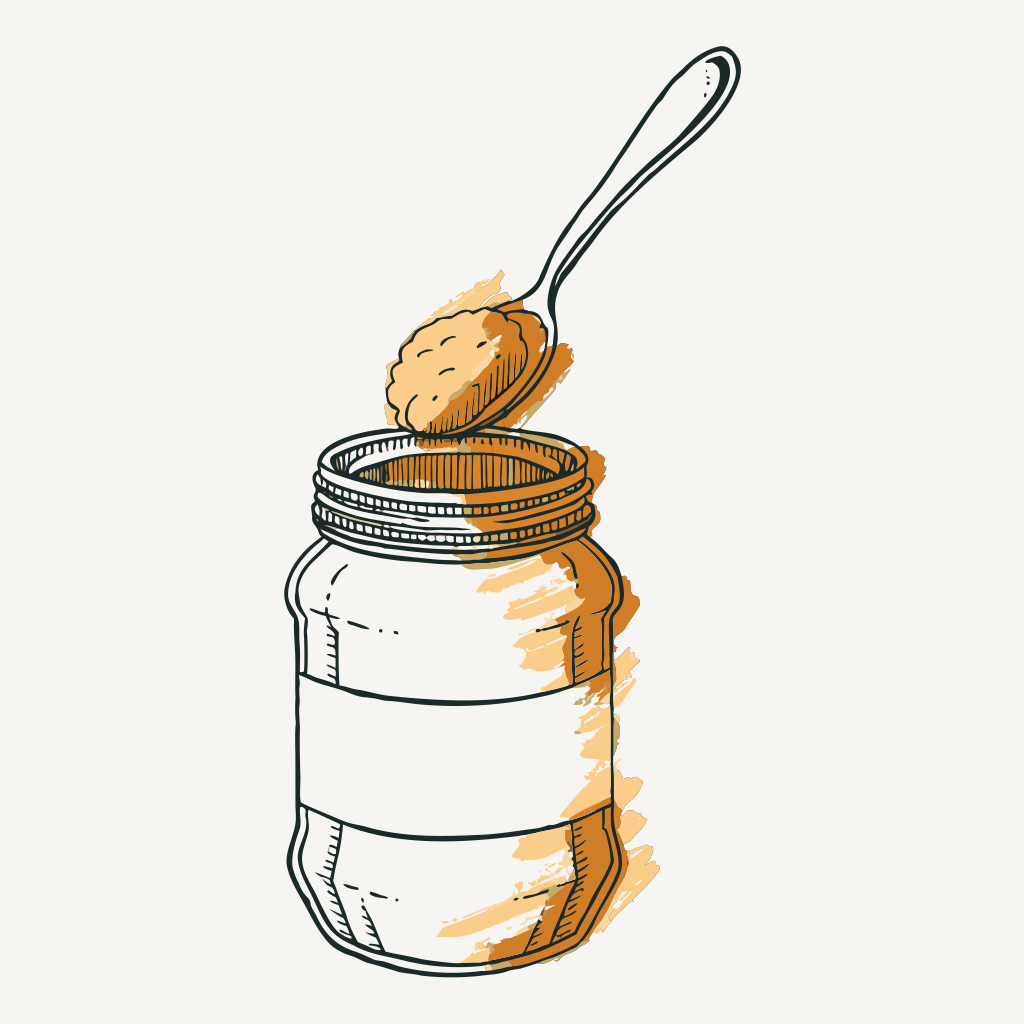
The base of a satay or a Thai-leaning sauce, the protein that makes a snack hold you, and the richness stirred into a bowl of oats. Natural and unsweetened, it's just peanuts doing several jobs at once.
Recipes that feature peanut butter
Browse all 3 recipes →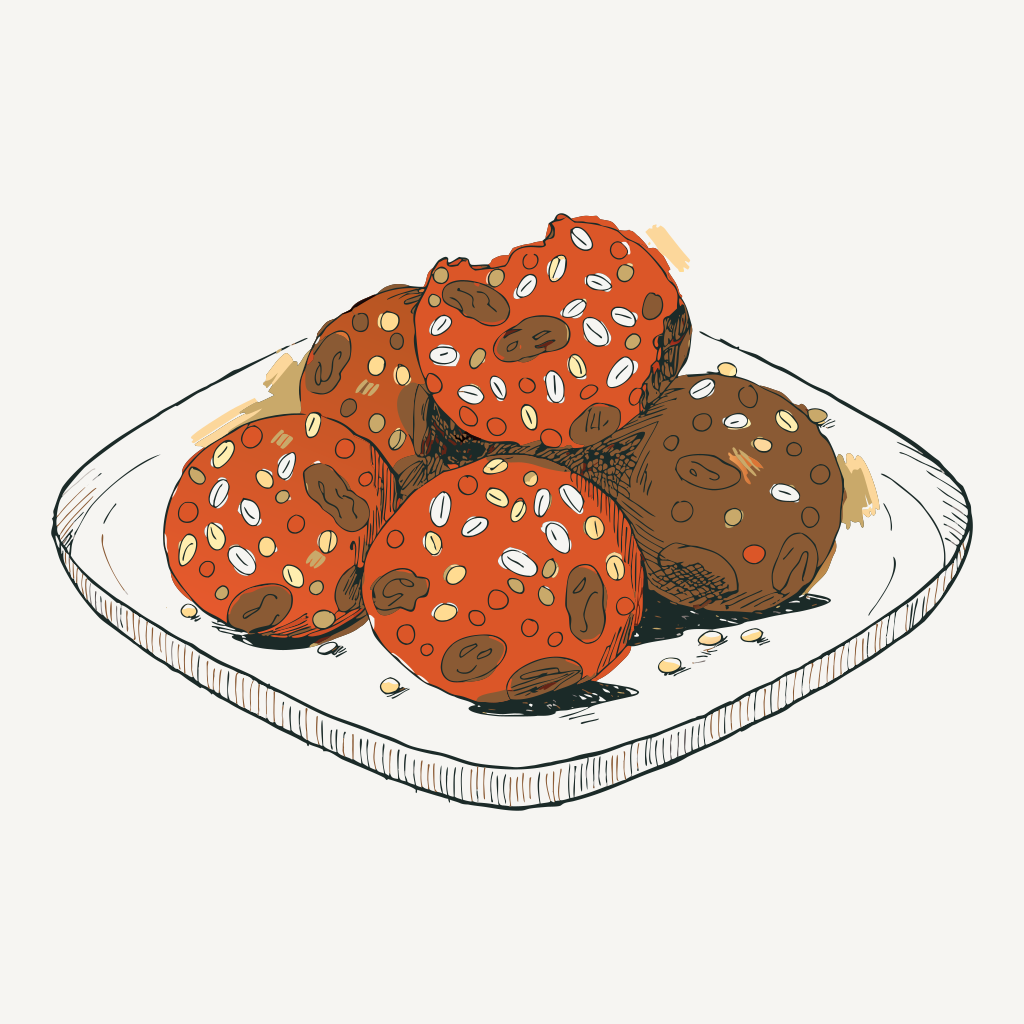
How to cook it
- Stir the jar well; natural peanut butter separates, with the oil on top.
- For a sauce: whisk peanut butter with tamari, lime or vinegar, a little maple, and warm water until it loosens and pours.
- Thin with more water for a dressing, keep it thick for a dip or a noodle sauce.
- Stir a spoonful straight into hot oats or a smoothie for richness and protein.
In the kitchen
Peanut butter is more savory tool than sandwich spread here. Whisked with tamari, lime, a little maple, and water, it becomes a satay or noodle sauce that dresses tofu, vegetables, or a bowl in minutes; thinned further, it’s a dressing with real body. Stirred into a curry or a stew, it adds richness and a rounded, nutty depth. And a spoonful into hot oats or a smoothie is the easiest way to turn a light breakfast into one that lasts to lunch.
Keep the natural, unsweetened kind. It’s the version that works in a savory sauce, and the one where you decide the sweetness. The only catch is the separated oil, and a good stir handles that.
Health
Peanut butter pairs plant protein with unsaturated fat and fiber, the combination that makes it genuinely filling rather than just rich. That satiety is its quiet strength: a modest spoonful steadies a meal or a snack. The natural kind skips the added sugar and hydrogenated oil the sweetened versions carry.
Peanuts count among the legumes and nuts every framework here endorses: EAT-Lancet, the Mediterranean pattern, DASH, and the Daily Dozen all call for a daily serving of nuts, seeds, or legumes. The datasets are linked from the frameworks and research below.
What it contains
Vitamins & minerals
What the frameworks say
Research
The scorecard
- Cost
- $0.26 / serving Walmart · tracked Jul 2026 · priced from Walmart — Smucker's Natural creamy peanut butter, 16 oz.
- Shelf life
- 9 months in the pantry USDA FoodKeeper — natural style; after opening 2-3 mo pantry, longer in fridge.
MVP is the weighted composite of these four axes — methodology & weights. It describes items already in the pantry; it never decides membership.
What swaps in
- Almond butter
- 1:1, milder
- Sunflower seed butter
- peanut-free
Common questions
How do I keep natural peanut butter from separating?
You can't stop it, but you can manage it. Stir the whole jar hard when you first open it (a sturdy knife reaches the bottom), then store it upside down, or in the fridge, so the oil redistributes. Cold, it firms up but stays mixed.
How do I make a quick peanut sauce?
Whisk a couple of tablespoons of peanut butter with a tablespoon of tamari, a squeeze of lime, a little maple syrup, and warm water added a splash at a time until it pours. Garlic, ginger, and a pinch of chili make it better. That sauce dresses noodles, tofu, roasted vegetables, or a bowl.
Why does natural peanut butter matter over the regular kind?
It's just peanuts, sometimes salt, with no added sugar or palm oil. That means it works in savory cooking, a satay sauce made with sweetened peanut butter turns cloying, and you control what goes in. The tradeoff is the separation and a looser texture, both easily managed.
What can I make with peanut butter?
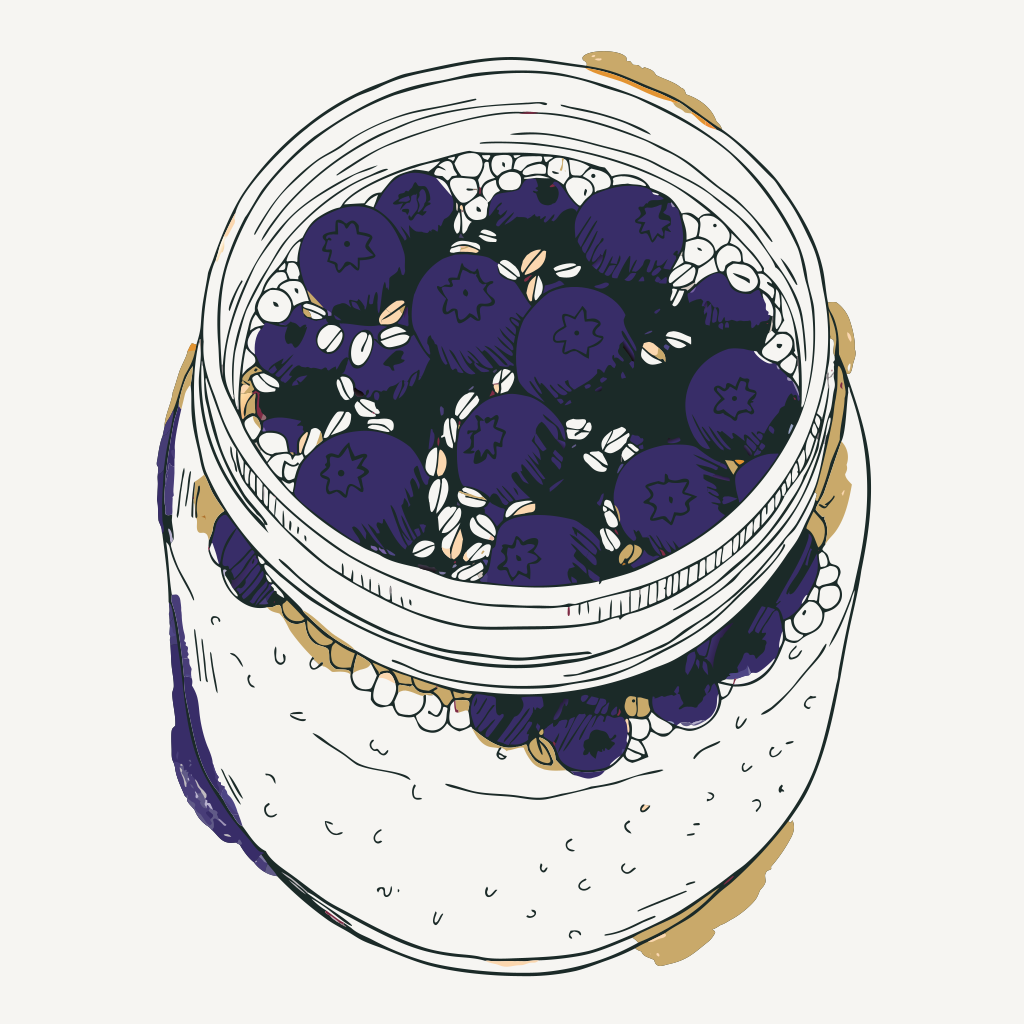
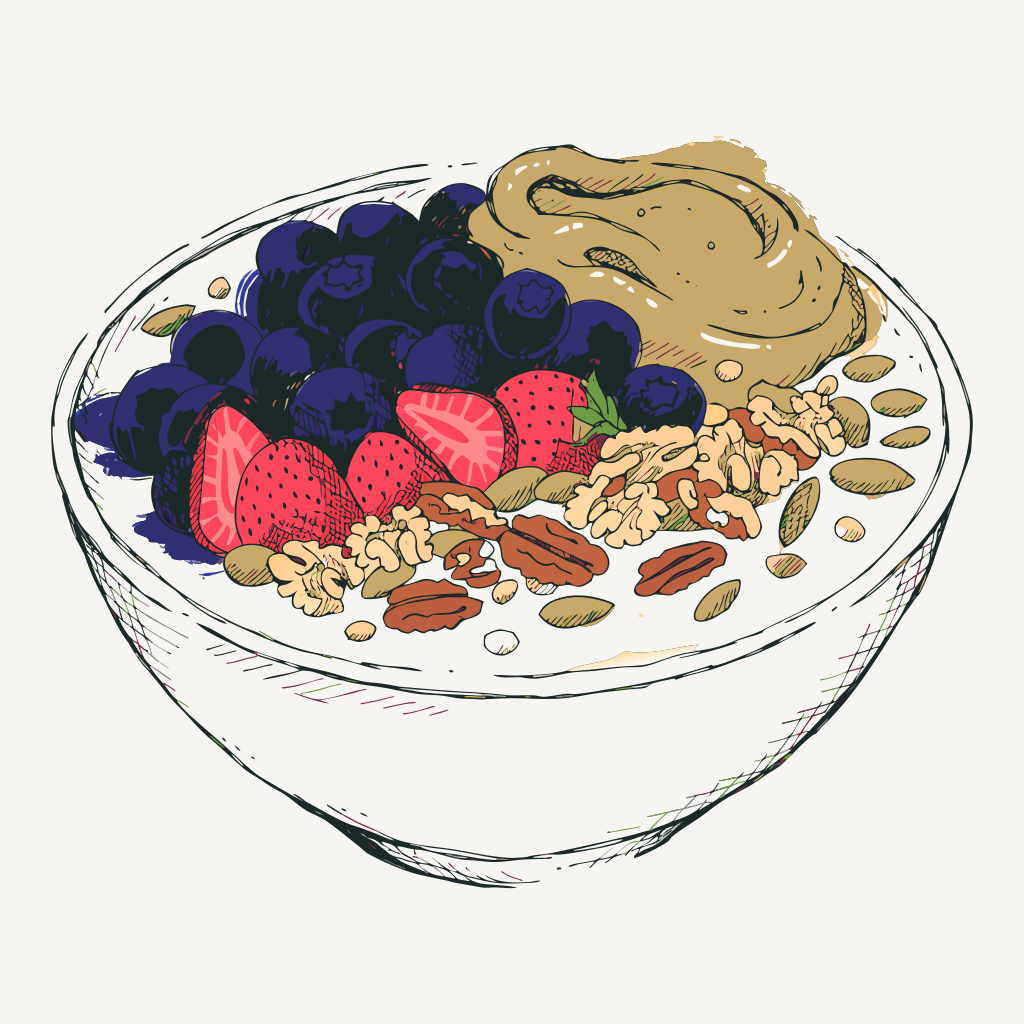
You'll find peanut butter in 3 recipes here, and the ones that use the most are Peanut-Date Energy Bites, Berry Overnight Oats, and Aaron Chow Breakfast.
How long can you store peanut butter?
About 9 months in the pantry — natural style; after opening 2-3 mo pantry, longer in fridge.
Is there gluten in peanut butter?
No — peanut butter are gluten-free.
How much does a serving of peanut butter cost?
About $0.26 a serving at US retail (Jul 2026), from Walmart — Smucker's Natural creamy peanut butter, 16 oz.
MVP field manual · peanut-butter · reviewed Aug 2026