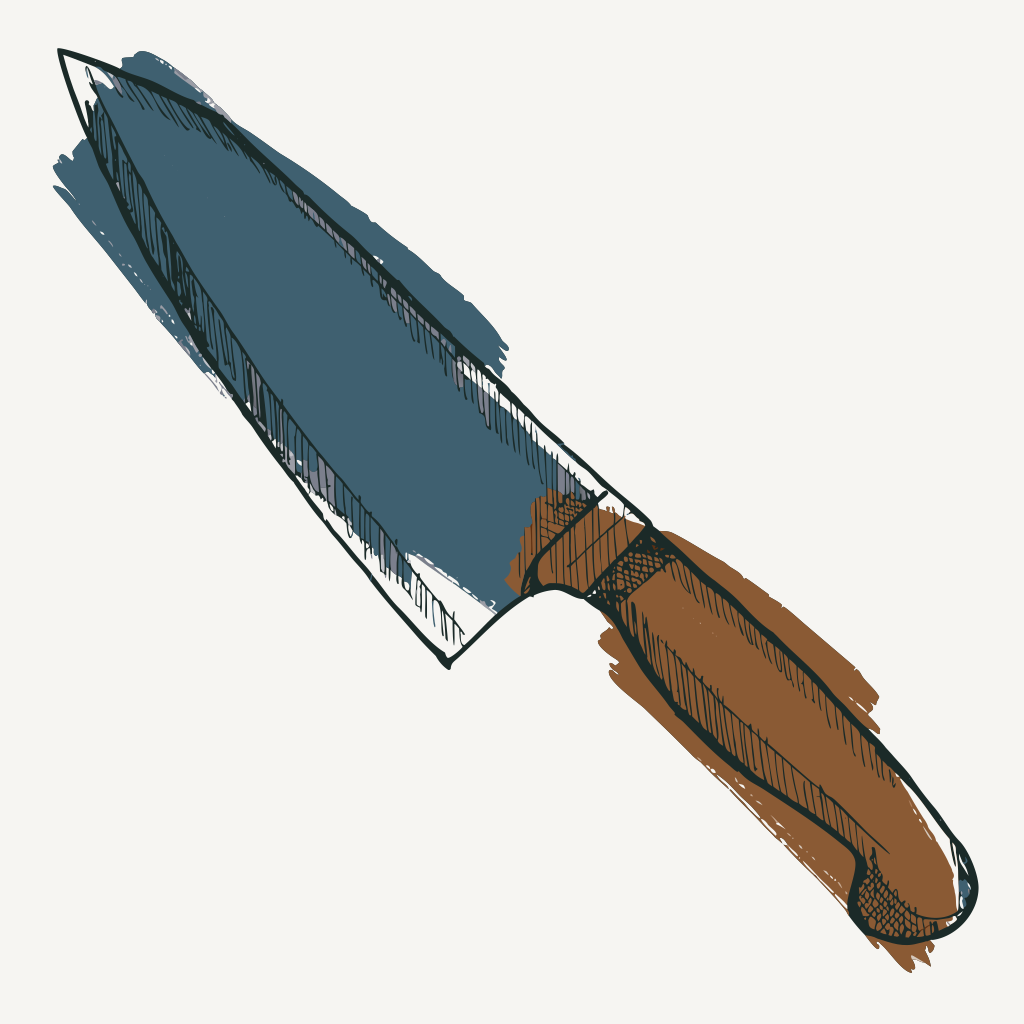
Chef's Knife
used in 24 recipesDoes most of the prep in savory cooking: dice, mince, shred.
One sharp 8-inch blade beats a drawer of dull ones. The dull knife is the dangerous one.
The pantry is the food. This is the hardware. Every recipe quietly assumes a few tools: a knife, a pot, a sheet pan. Buy nothing you won't use.
The core tools you reach for constantly: knife, board, pot, pans. Have these and you can cook almost anything, no gadget required.
Does most of the prep in savory cooking: dice, mince, shred.
One sharp 8-inch blade beats a drawer of dull ones. The dull knife is the dangerous one.
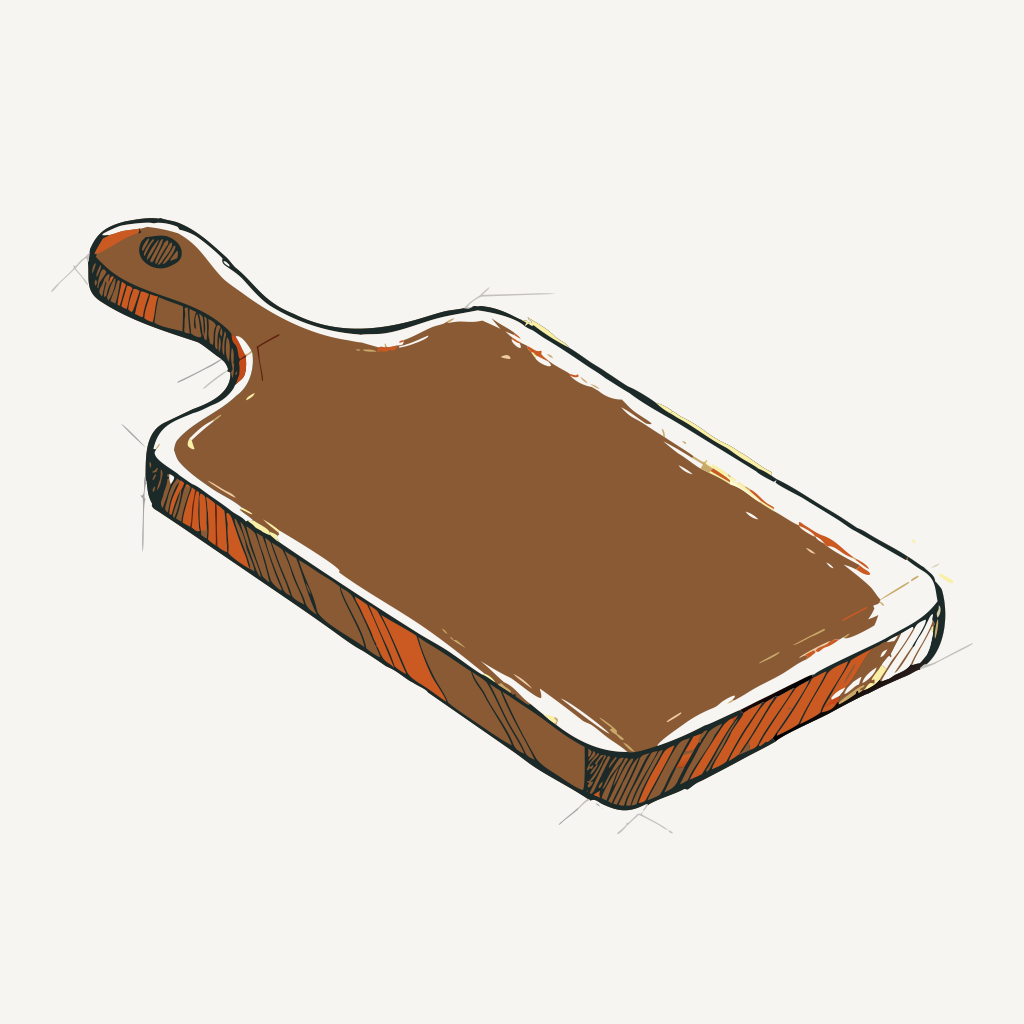
The other half of the knife, big enough to pile a diced onion without it sliding off.
Wood or plastic; one large board saves more grief than two small ones.
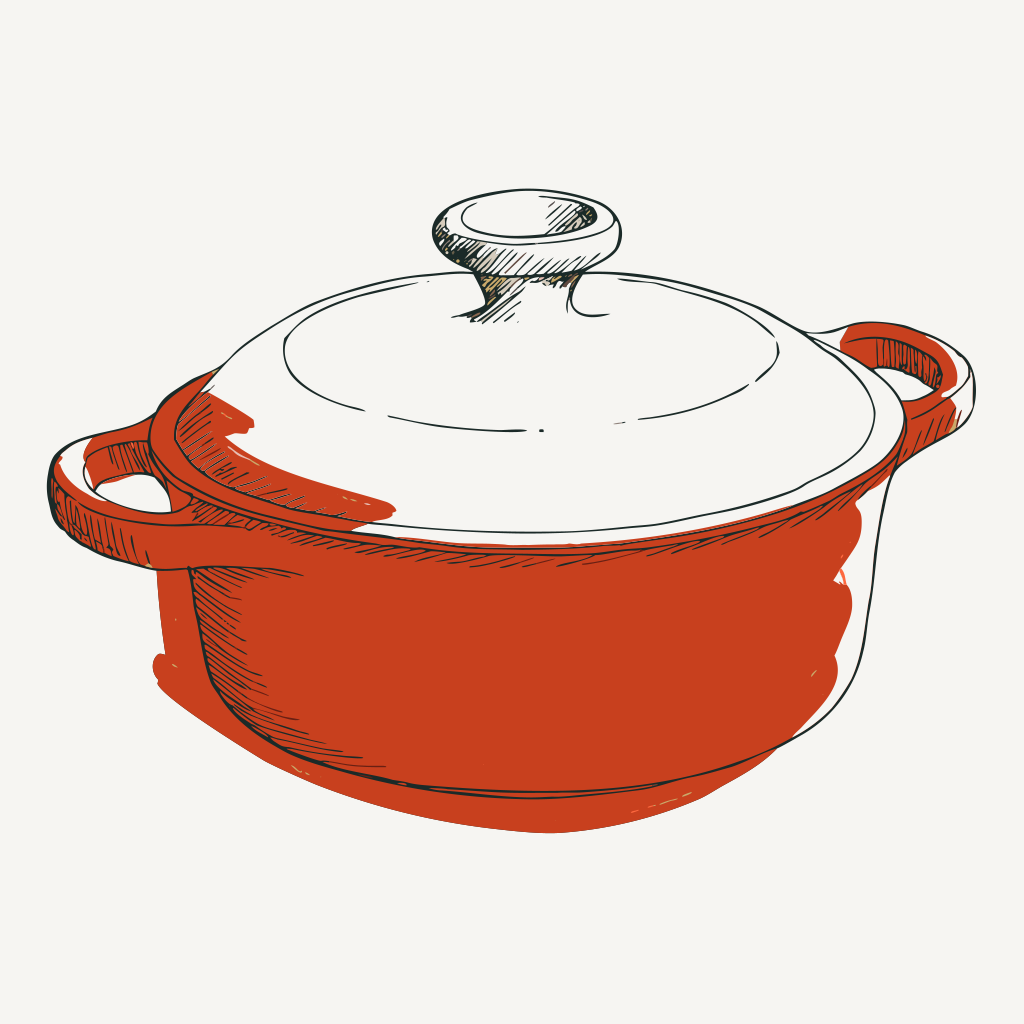
The workhorse for every soup, stew, dal, and chili. A 5–6 qt pot or Dutch oven.
Heavy-bottomed, so aromatics sizzle instead of scorching.
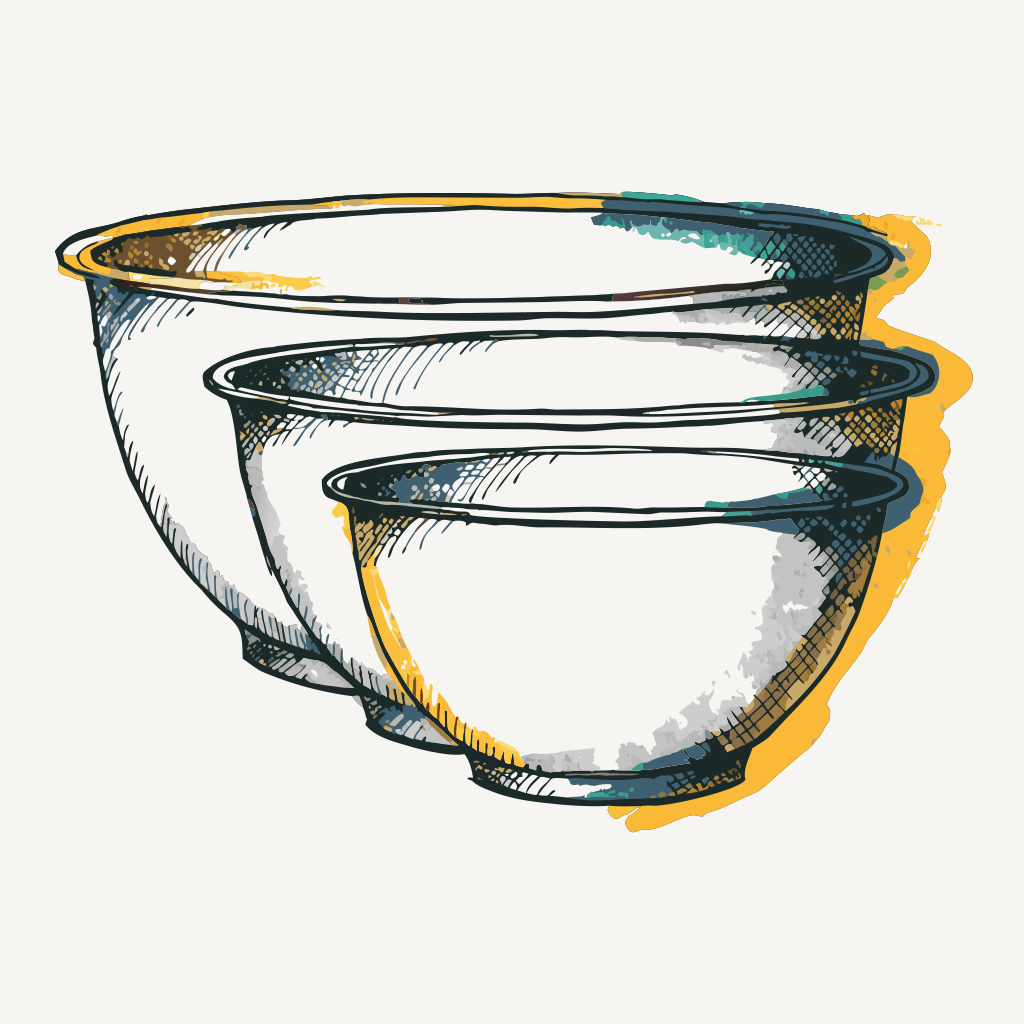
A nesting set covers the wet-bowl / dry-bowl method, every toss, and every dressing.
The largest one doubles as a salad bowl and a batter bowl.
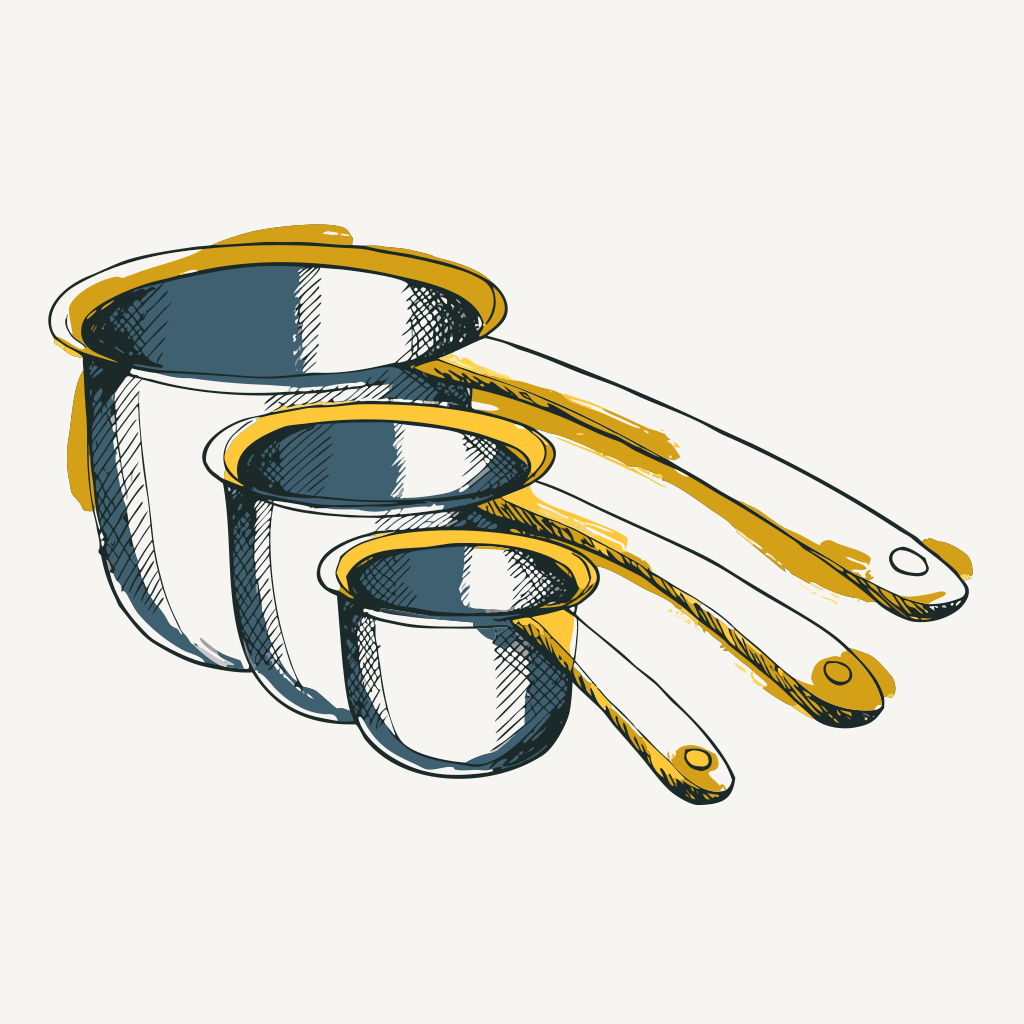
Level cups and spoons for the dry stuff. Measured, not eyeballed.
One stackable stainless set covers the cups and the spoons, down to a pinch.
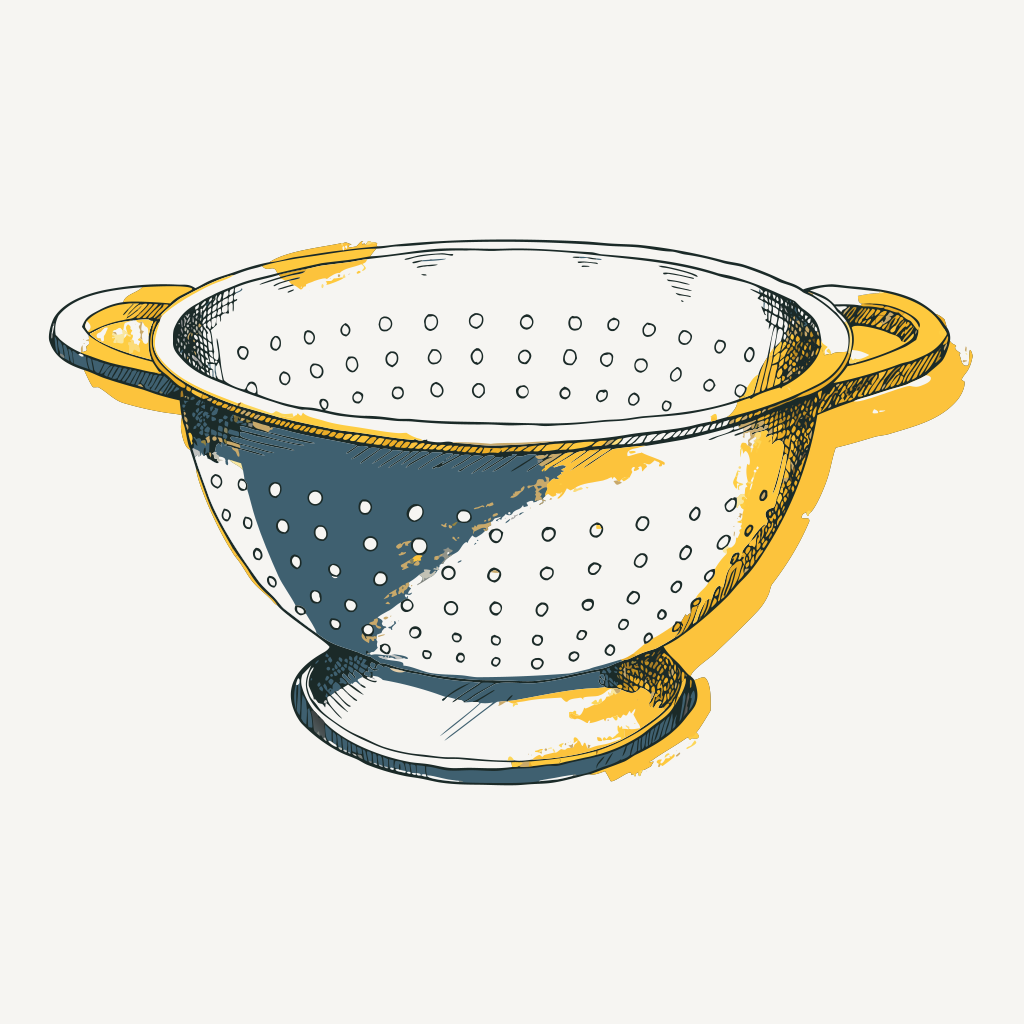
Drains pasta, beans, and washed greens in one tip of the pot.
Any big perforated bowl that lets the water out and keeps the food in.
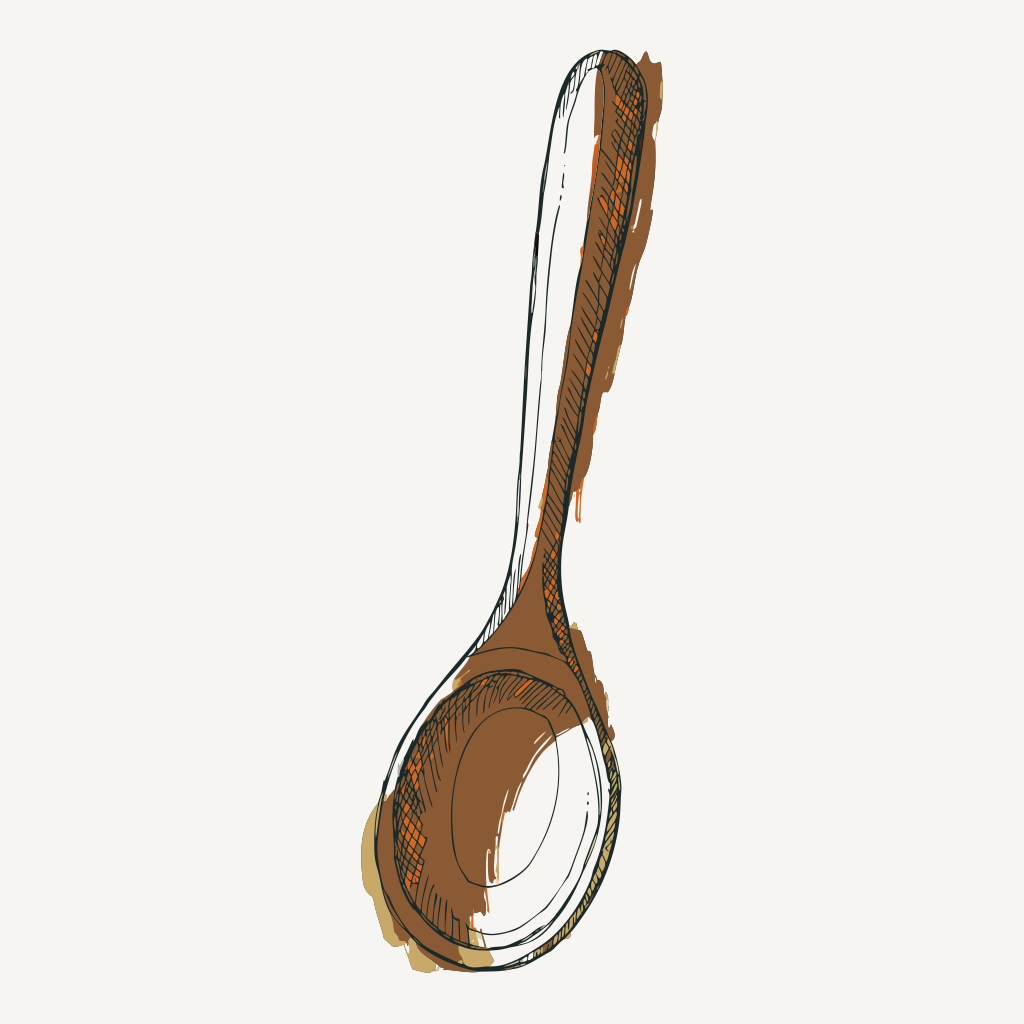
Stirs without scratching the pot, and mashes a few beans against the side to thicken a soup.
Doesn't conduct heat or scrape nonstick. The default stovetop stirrer.
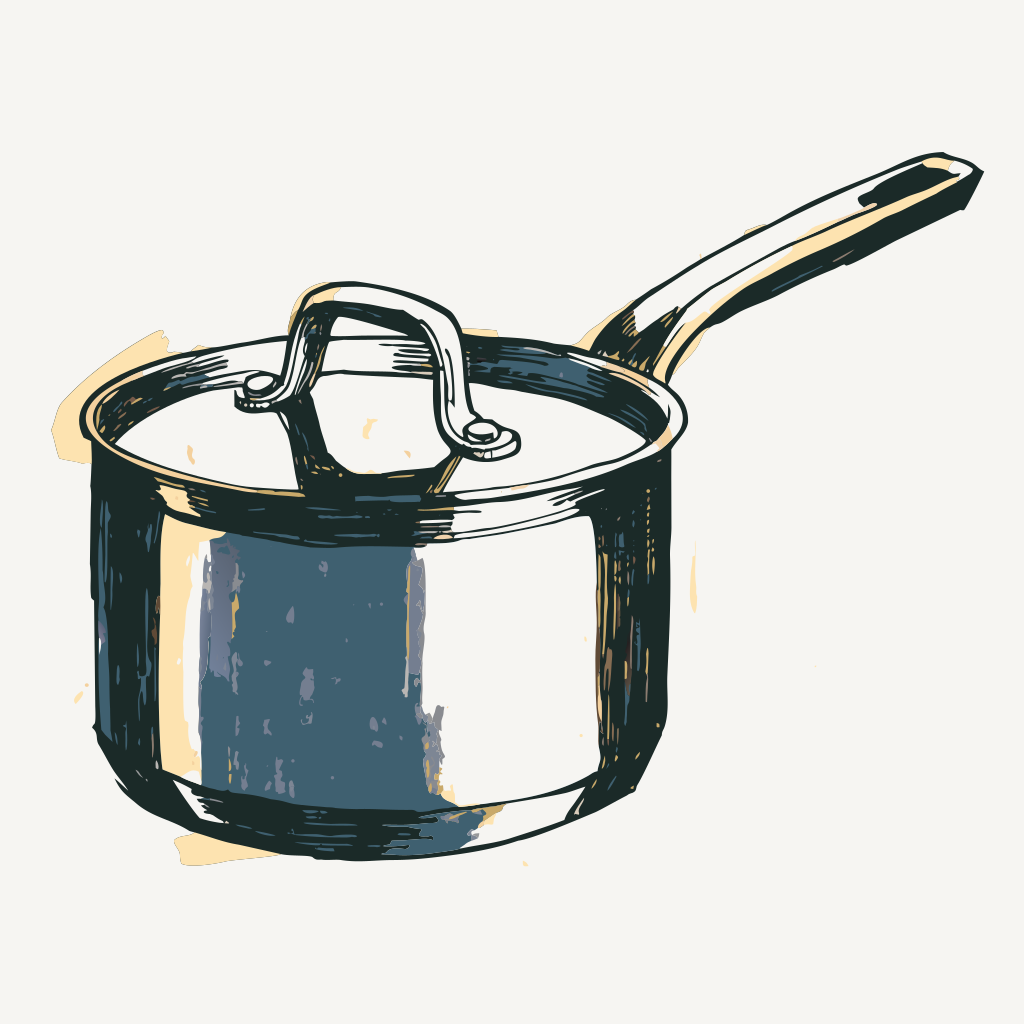
The small-batch pot: cooking rice and grains, stovetop oatmeal, a quick sauce.
A 2–3 qt pan with a lid; the little sibling to the big pot.
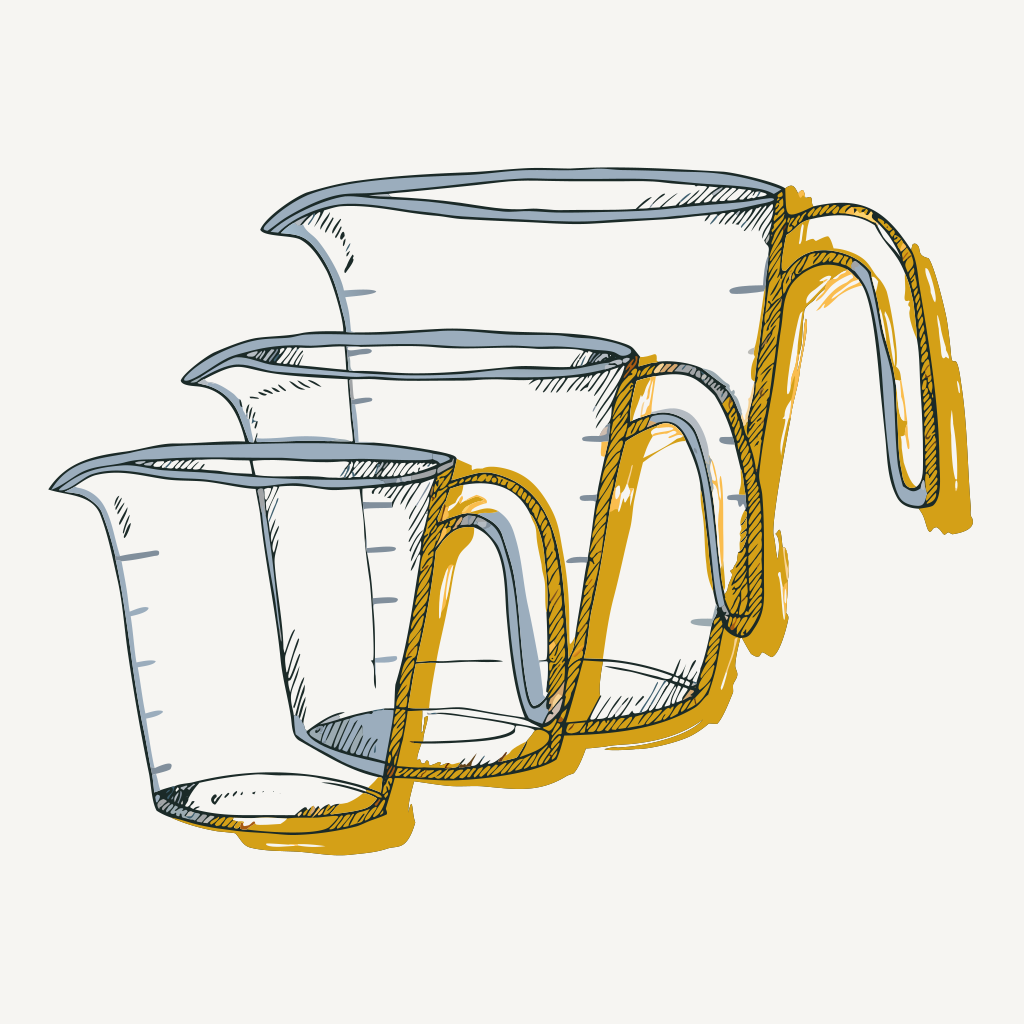
Spouted glass for liquids. Fill to the line at eye level and pour without a funnel.
Oven, microwave, and freezer safe; the set runs from a splash up to a quart.
The roasting, blending, and whisking jobs. Worth owning as your cooking gets more ambitious.
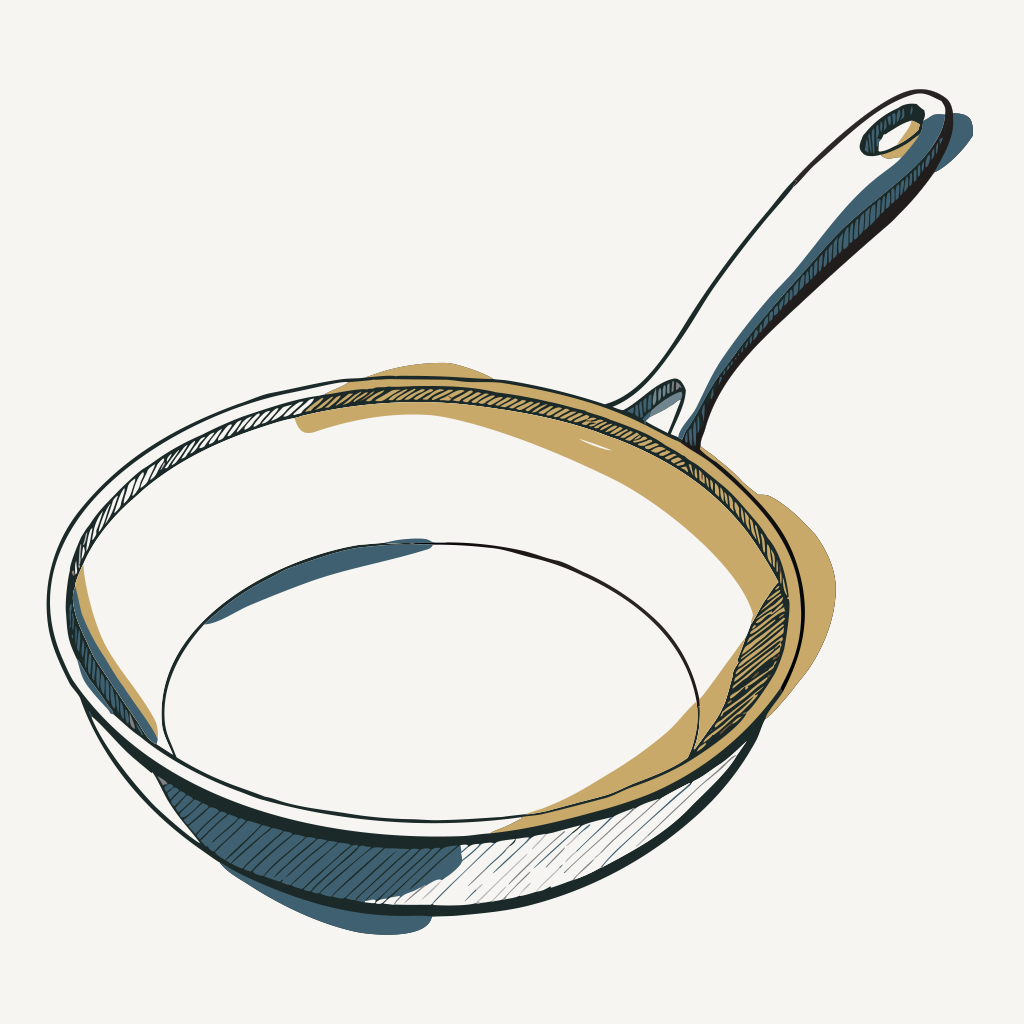
For scrambles, stir-fries, sautéing, and toasting nuts and seeds in a dry pan.
Nonstick or a well-seasoned pan, so tofu releases instead of welding to the surface. A wok works too.
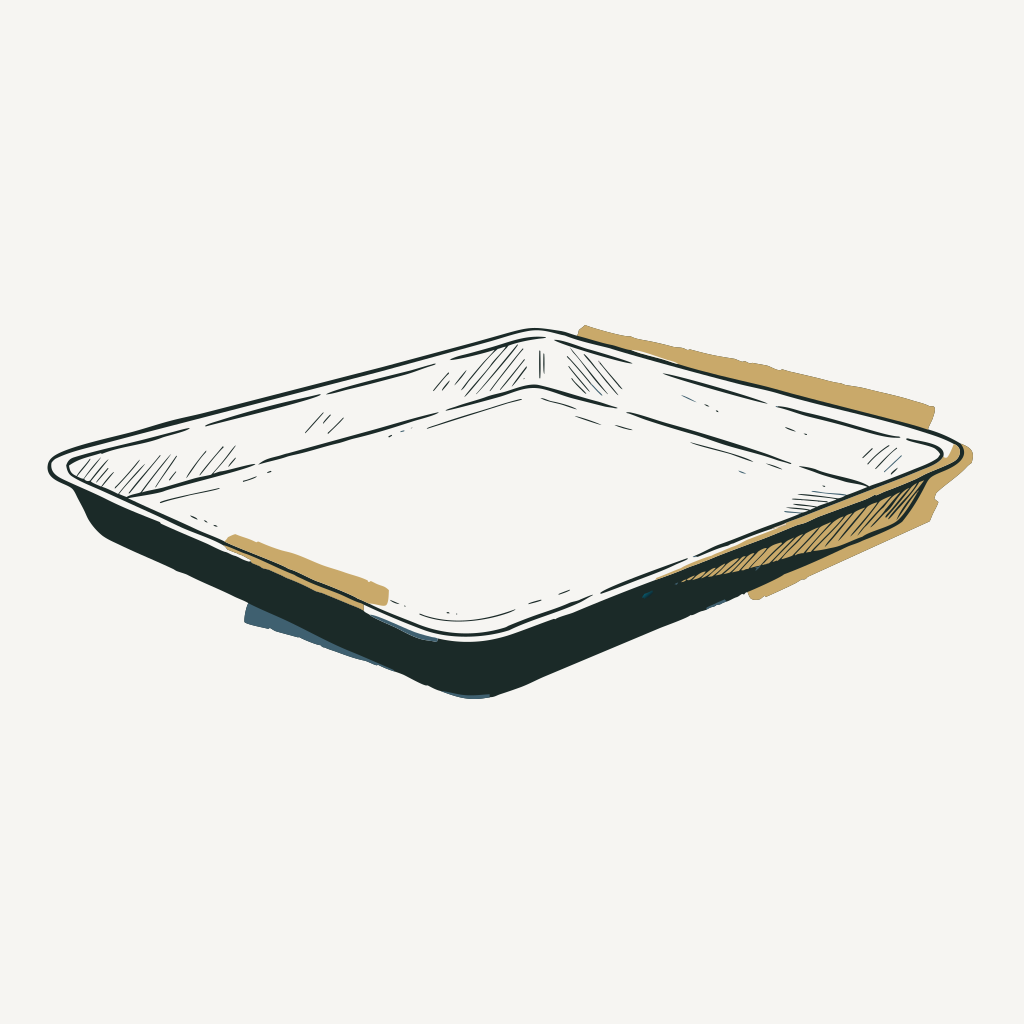
Roasting vegetables and chickpeas, toasting nuts, pressing granola into a slab.
A rimmed half-sheet; a second one earns its keep the first time you roast two things at once.
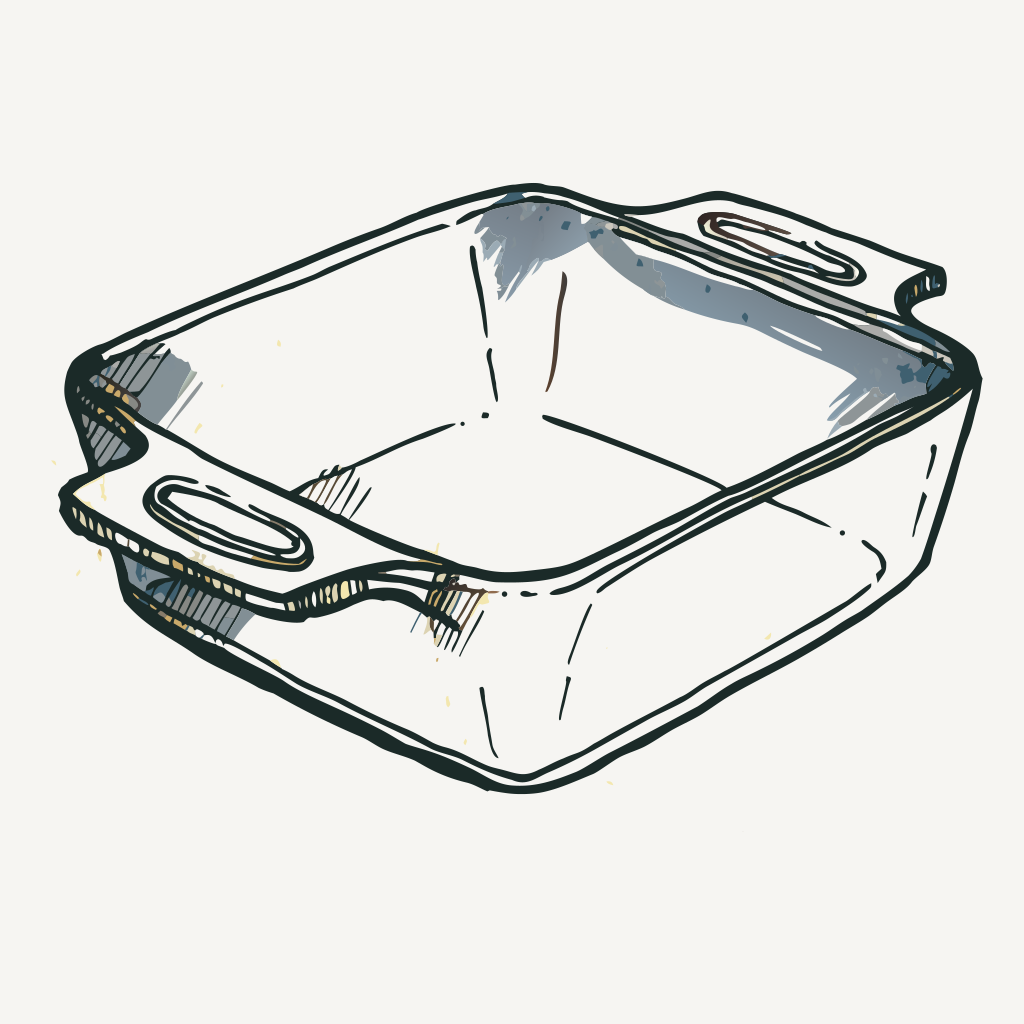
For casseroles, bakes, and crumbles. An 8-inch square or a similar 2 qt dish.
Glass or ceramic; goes oven-to-table.
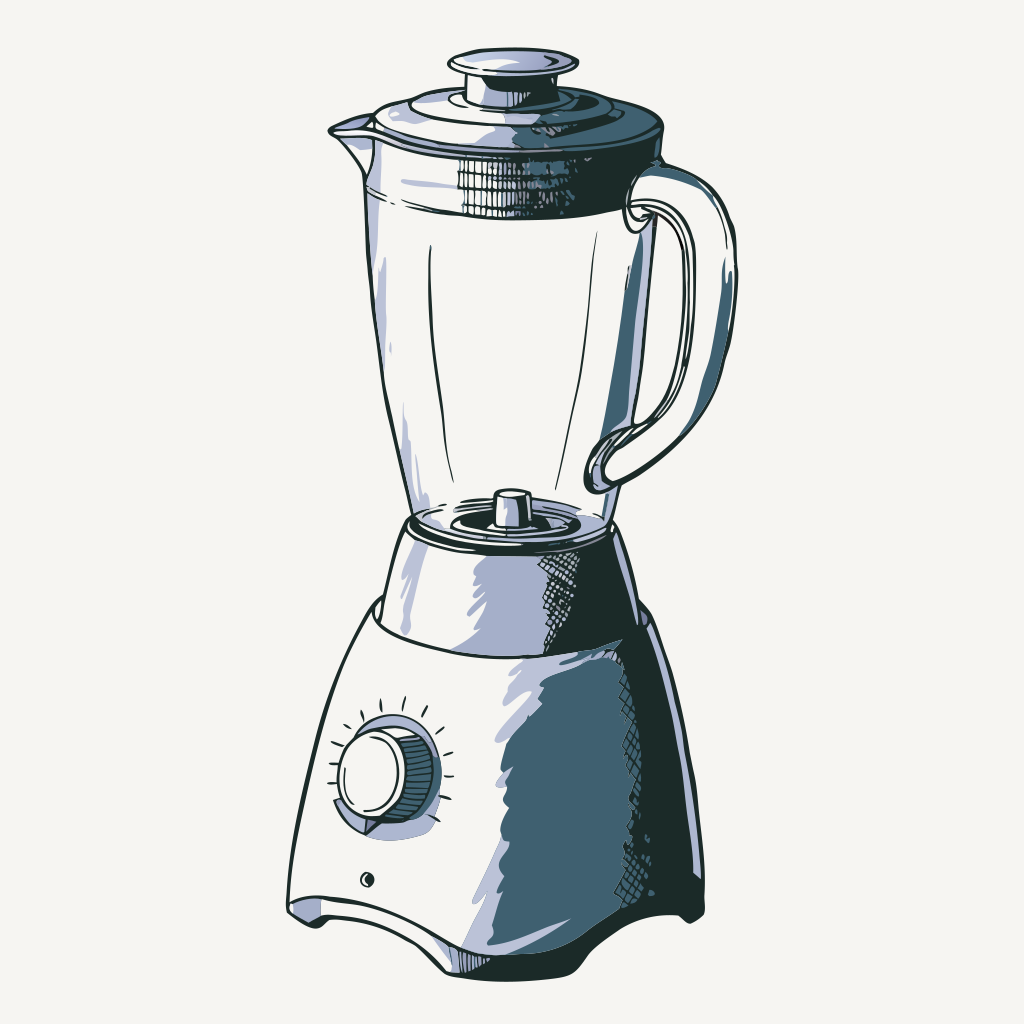
The signature move: blend part of a soup and stir it back for creamy-without-cream body.
Also turns cashews into milk and dates into caramel. A jar blender does the heaviest work.
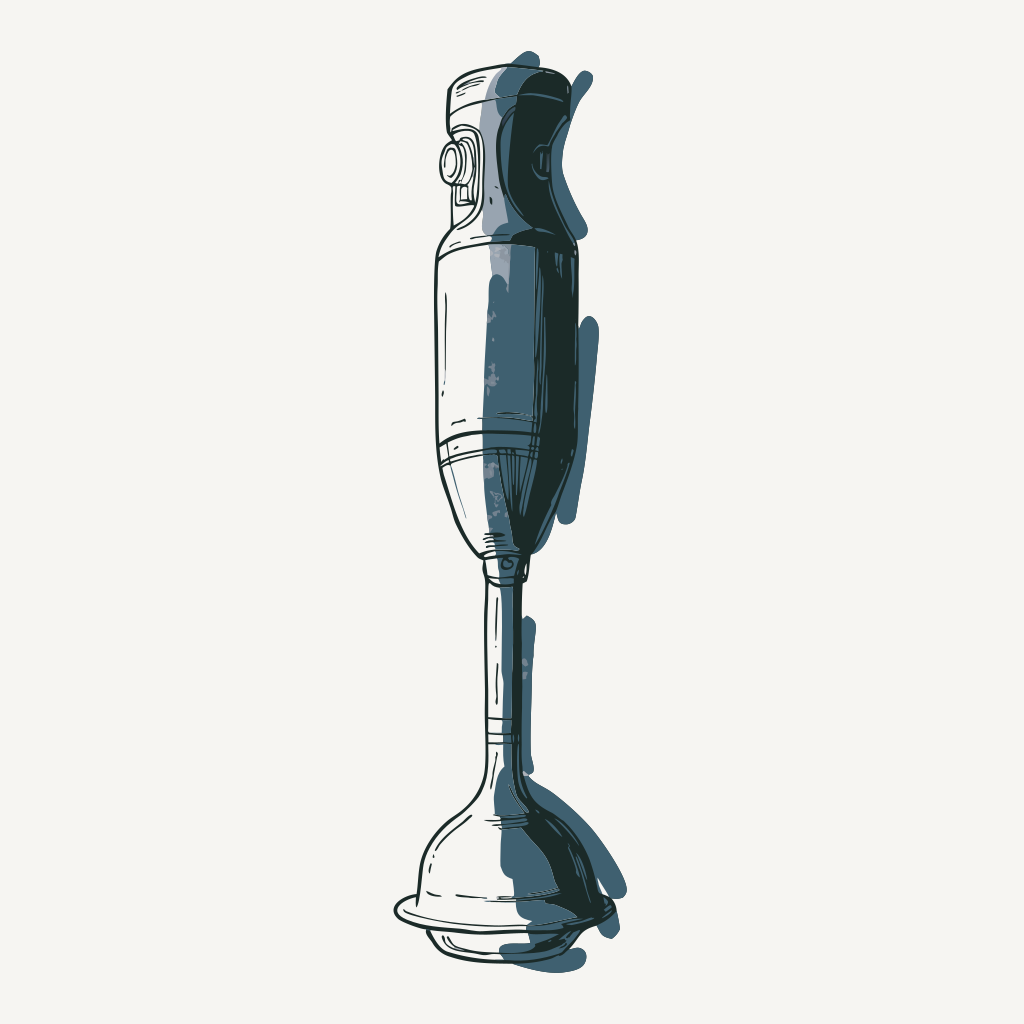
The tidy version of the blend-part-of-the-pot move: straight in the pot, nothing to pour.
Nice to have if you make a lot of soup; a countertop blender covers the same jobs with more dishes.
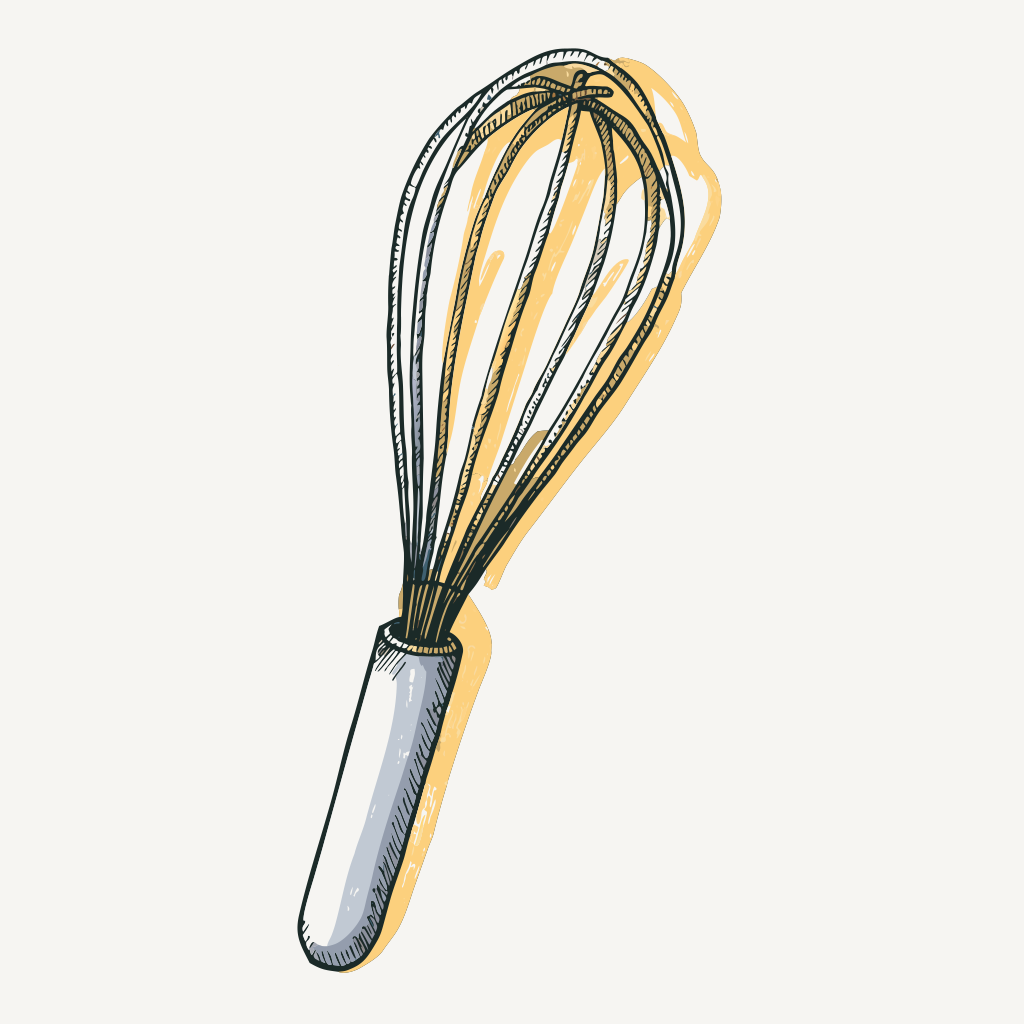
Smooths a tahini dressing, a miso slurry, a pancake batter, or chia into liquid, all lump-free.
A balloon whisk is the versatile default.
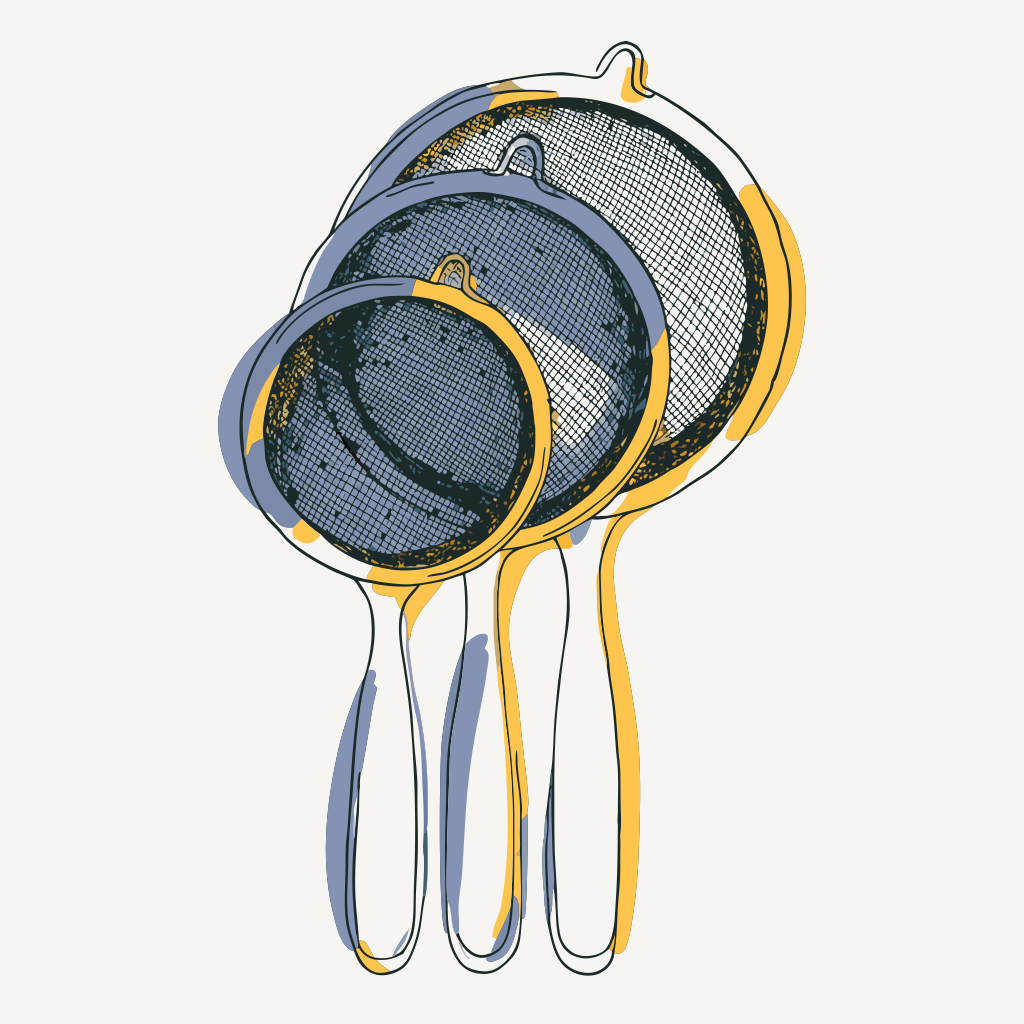
Fine mesh for rinsing quinoa, lentils, and tiny seeds that slip straight through a colander.
A fine wire basket for anything a colander's holes would lose.
Honestly optional — the basics already cover these jobs. But each earns its counter space if you cook a certain way often.
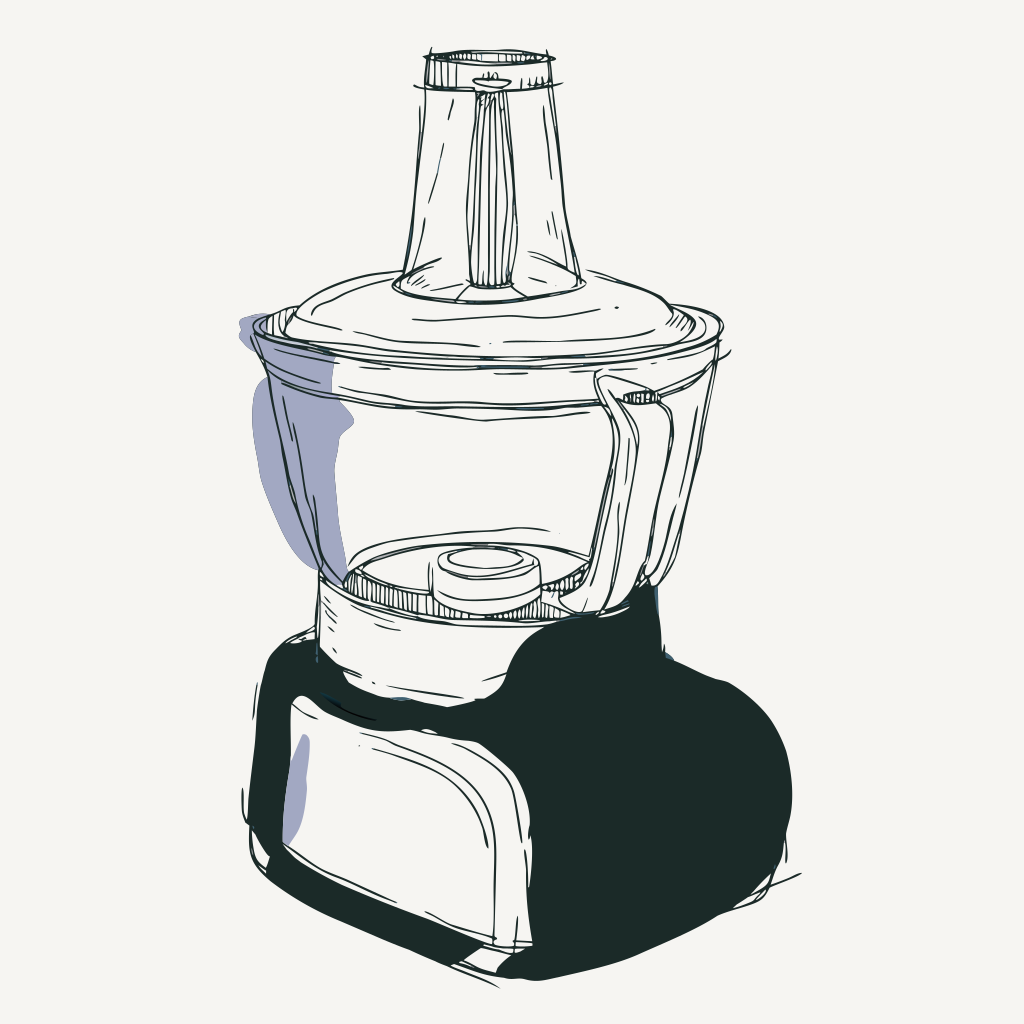
Powers through dips, nut butters, doughs, and sticky date mixtures where a blender stalls.
Earns its counter space if you batch-make dips, doughs, and bites. Otherwise, skippable.
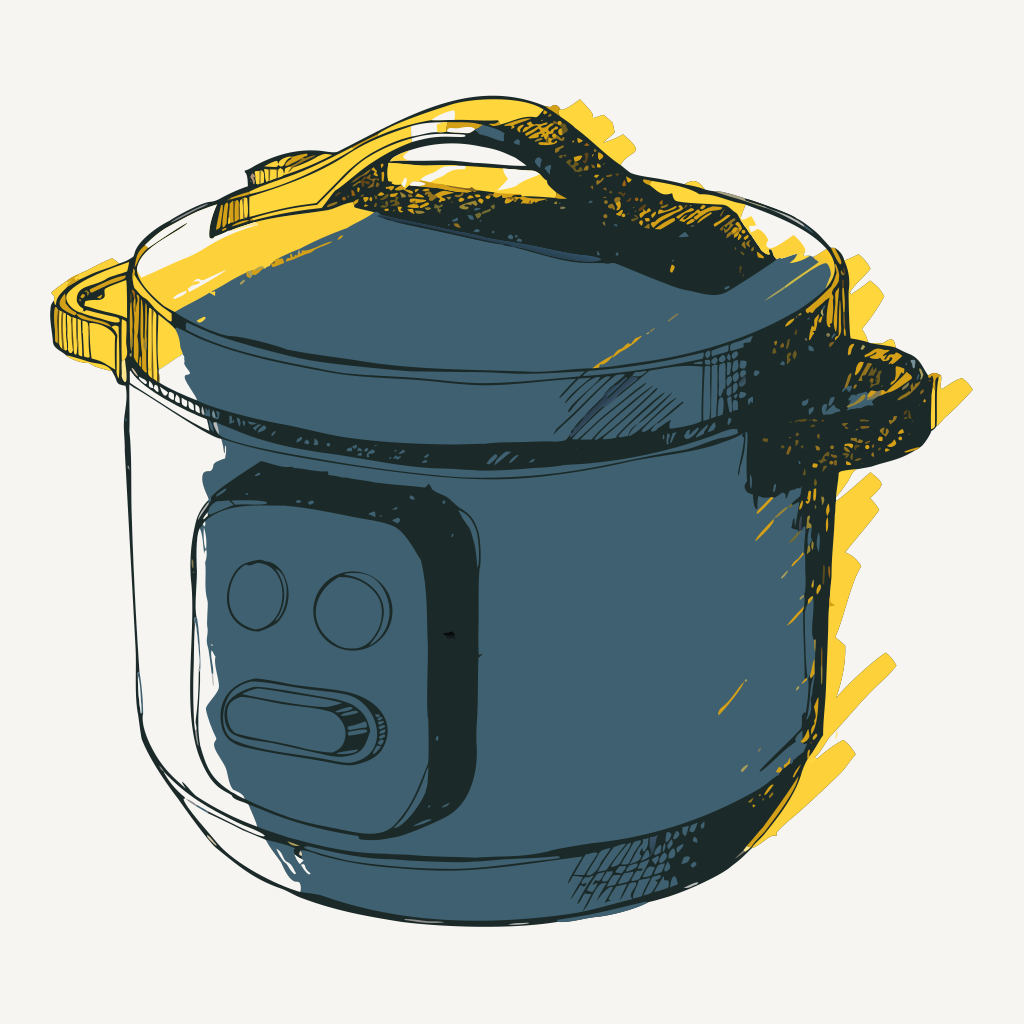
Honestly optional. A stovetop and oven cover all the cooking.
Where it pays off is hands-off batch-cooking dried beans and lentils, which is exactly what the pantry runs on.
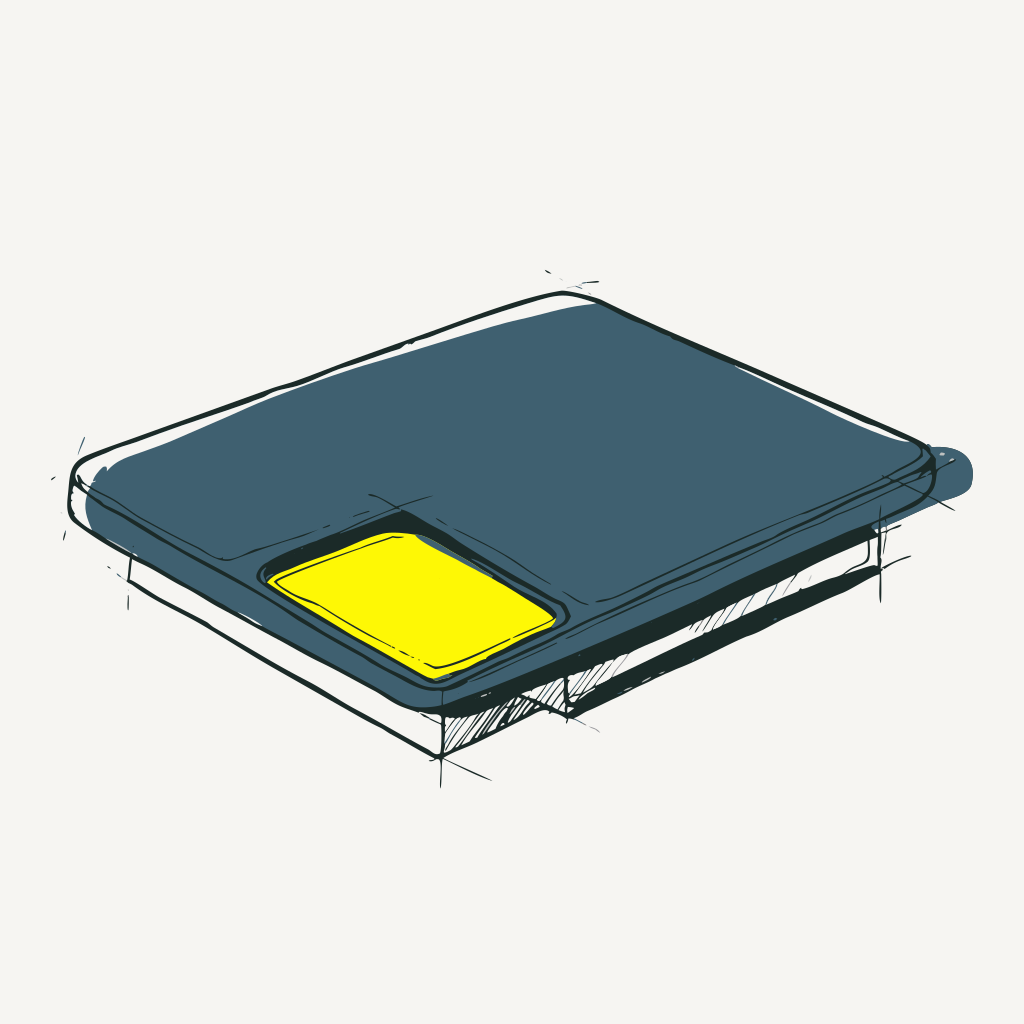
Weigh instead of scoop: zero the bowl, pour to the gram. Tidier and more exact than a stack of cups.
A flat digital scale reading grams and ounces. The exact way to hit a weight, tucked in a drawer.