§02 · Pantry · Vegetables & Fruit · diced-tomatoes
Diced Tomatoes · Canned
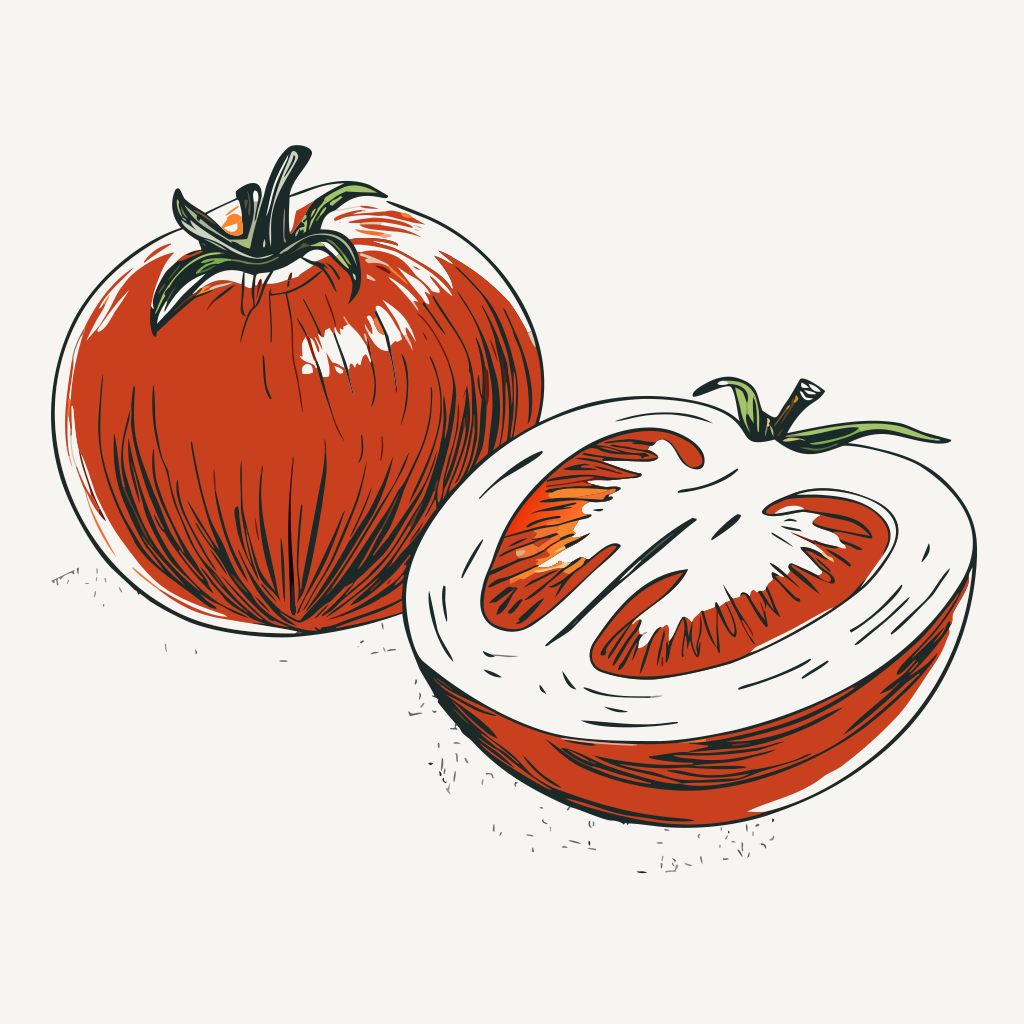
A can of summer tomatoes ready any month of the year: the base of a sauce, a soup, a chili, a curry, from a shelf-stable tin that costs less than the fresh ones and tastes better out of season. Crush them against the pot and they go smooth.
Recipes that feature diced tomatoes
Browse all 8 recipes →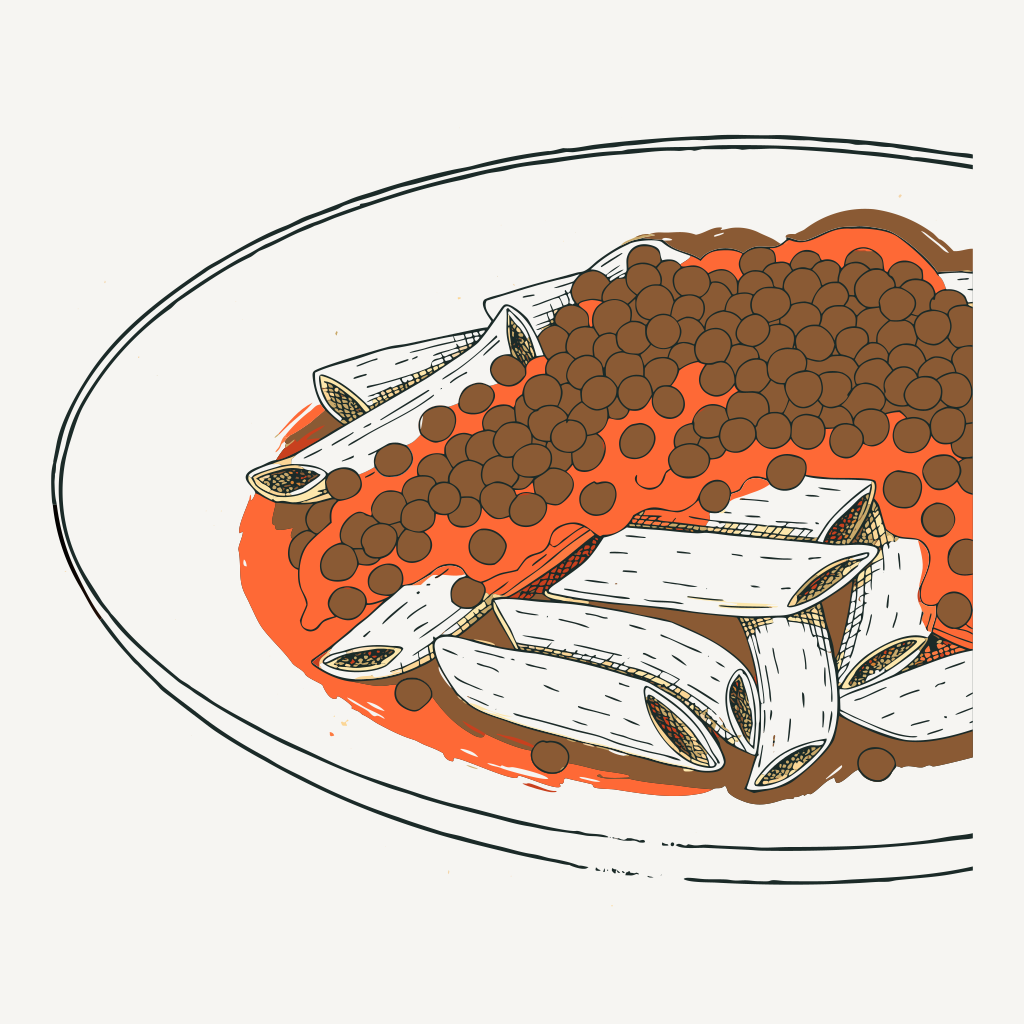
How to cook it
- Open the can and add tomatoes and all their juice to the pan; the juice is flavor.
- For a chunkier dish, leave them as they are; for a smoother sauce, crush them against the side of the pot.
- Simmer to concentrate: 15 to 20 minutes takes off the tinny edge and thickens the sauce.
- Season with salt at the end, and a pinch of sugar or a grated carrot if they taste sharp.
In the kitchen
A can of tomatoes is the start of half the savory cooking in this pantry. Bloom some tomato paste and garlic in oil, tip in the can with its juice, and you’ve got the base of a marinara, a shakshuka, a chili, a curry, a braise for beans. Leave them diced for texture, or crush them against the pot for something smoother; a longer simmer takes them wherever you want to go.
The single best thing you can do is cook them long enough. Fifteen or twenty minutes turns a sharp, tinny can into a round, savory sauce. Salt at the end, and if they still bite, a pinch of sugar or a grated carrot softens the edge.
Health
Canned tomatoes carry the same fiber and vitamin C as fresh, plus lycopene, the red pigment antioxidant that the body actually absorbs better from cooked and canned tomatoes than raw ones. A little oil in the pan helps that absorption along.
Tomatoes count as a vegetable (botanically a fruit) under every framework here: EAT-Lancet, the Mediterranean pattern, DASH, and the Daily Dozen. Reach for a no-salt-added can and the sodium is yours to control. The datasets are linked from the frameworks and research below.
What it contains
Vitamins & minerals
What the frameworks say
Research
The scorecard
- Cost
- $0.28 / serving Walmart · tracked Aug 2026 · priced from Walmart — Great Value diced tomatoes in tomato juice, 14.5 oz can.
- Shelf life
- 18 months in the pantry USDA FoodKeeper — canned high-acid: 12-18 mo.
MVP is the weighted composite of these four axes — methodology & weights. It describes items already in the pantry; it never decides membership.
What swaps in
- Crushed tomatoes
- smoother, no crushing needed
- Whole peeled tomatoes
- crush by hand going in
- Fire-roasted diced tomatoes
- smokier, 1:1
Common questions
Diced or crushed or whole, does it matter which I buy?
Not much. Diced tomatoes hold their shape a little longer in a simmer; you can crush them against the pot for a smoother sauce, or leave them chunky. Whole peeled or crushed get you to smooth faster. Keep whichever you find; they're interchangeable with a little more or less cooking.
How do I get rid of the tinny, sharp taste?
Cook them longer. A 15-to-20-minute simmer mellows the acidity and the metallic edge, and a spoonful of tomato paste bloomed in the oil first deepens the flavor. If they're still sharp, a pinch of sugar or a grated carrot balances them.
Should I use the juice in the can or drain it?
Use it, for anything saucy. That juice is tomato flavor and it reduces down as the dish simmers. Drain only when a recipe specifically wants the pieces without the liquid, like a quick salsa.
What can I make with diced tomatoes?
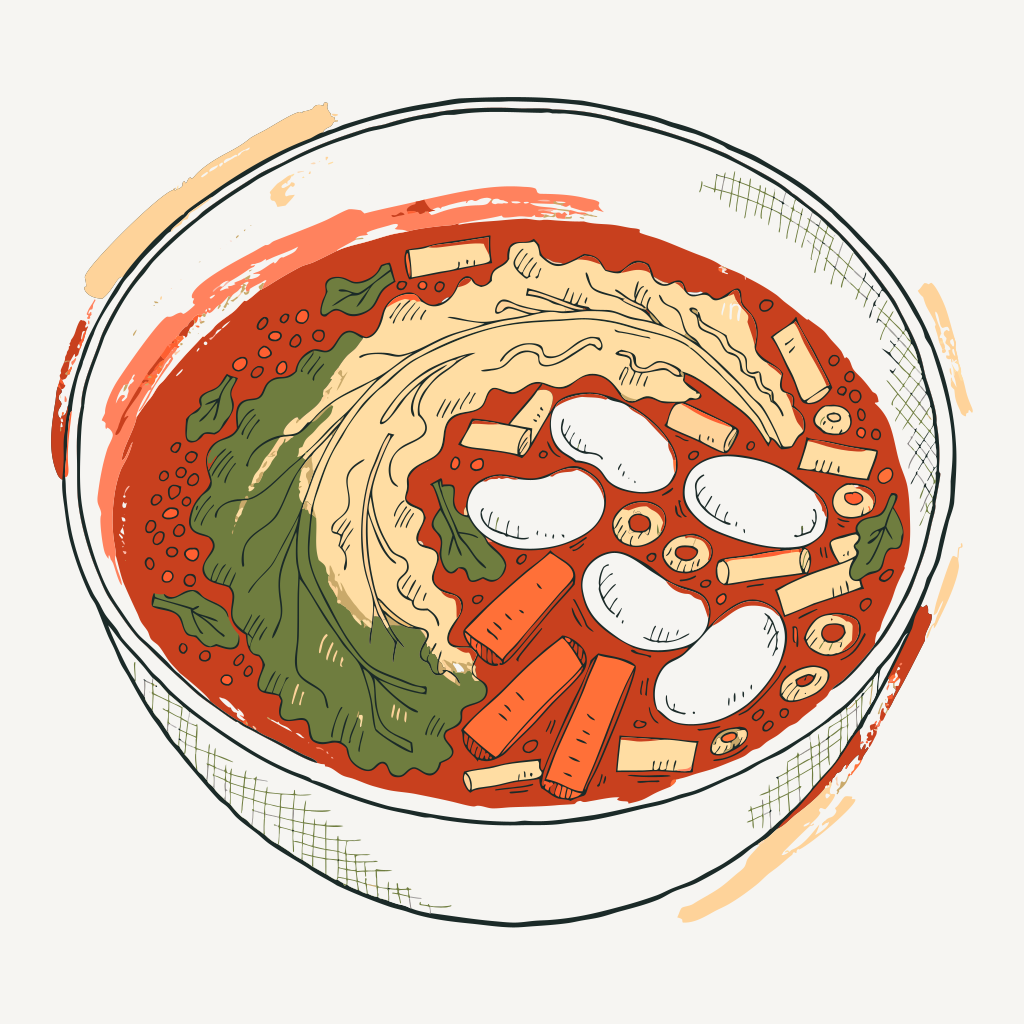
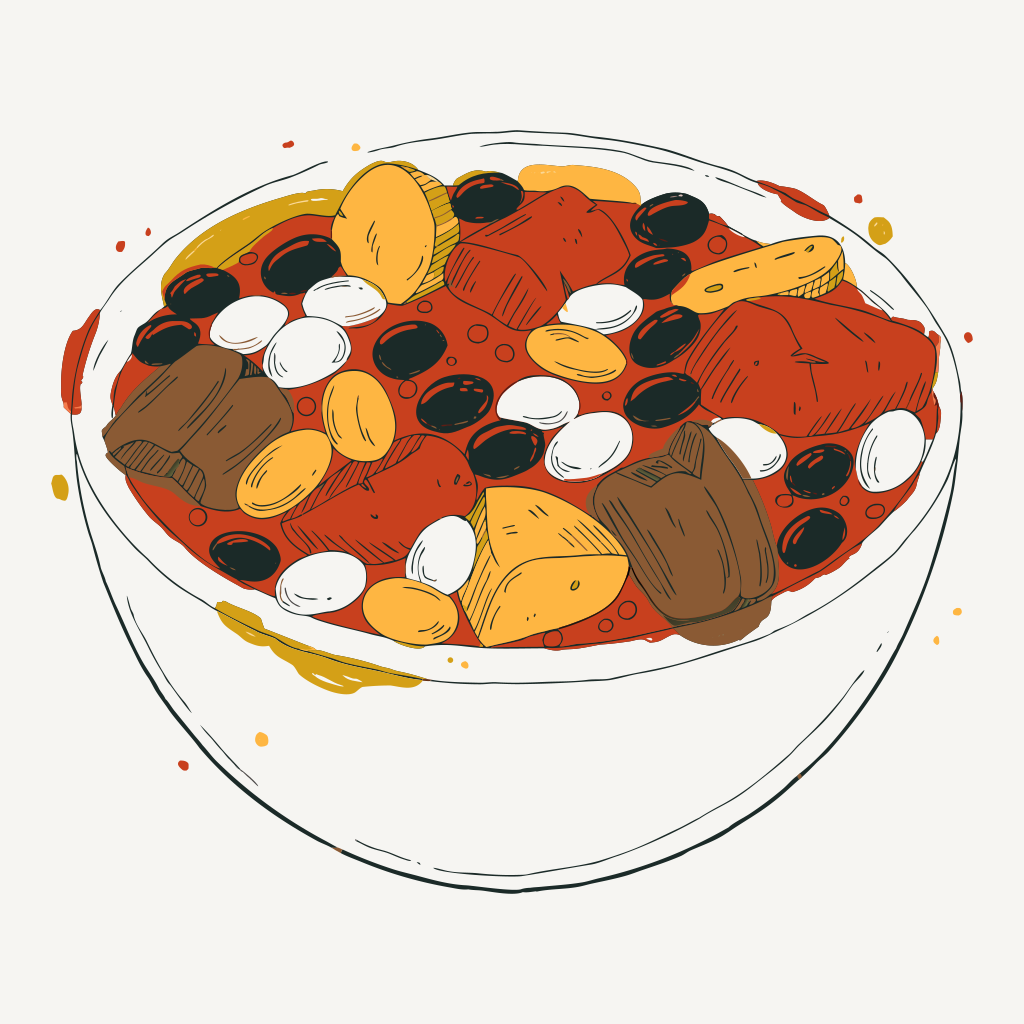
You'll find diced tomatoes in 8 recipes here, and the ones that use the most are Lentil Bolognese, Minestrone, and Three-Bean Chili.
How long can you store diced tomatoes?
About 18 months in the pantry — canned high-acid: 12-18 mo.
Is there gluten in diced tomatoes?
No — diced tomatoes are gluten-free.
How much does a serving of diced tomatoes cost?
About $0.28 a serving at US retail (Aug 2026), from Walmart — Great Value diced tomatoes in tomato juice, 14.5 oz can.
MVP field manual · diced-tomatoes · reviewed Aug 2026