§02 · Pantry · Vegetables & Fruit · tomato-paste
Tomato Paste · Tube preferred
A spoonful of concentrated, cooked-down tomato that adds more savory depth than almost anything else on the shelf for the effort. It's the umami booster a bland pot has been missing, and the tube means you use a little without wasting a can.

Recipes that feature tomato paste
Browse all 3 recipes →
How to cook it
- Add a spoonful to the hot oil after the onion and garlic, before any liquid.
- Fry it, stirring, for a minute or two until it darkens from bright red to brick and smells sweet.
- Then add your liquid; the paste dissolves and its flavor spreads through the dish.
- Squeeze from the tube only what you need and cap the rest for the fridge.
In the kitchen
Tomato paste is flavor concentrate. A spoonful fried into the oil after the onion, before any liquid, is the quiet move behind a sauce that tastes like it simmered for hours: the paste darkens, its sugars caramelize, and it spreads a deep, savory background through everything that follows. It belongs in soups, stews, chili, braises, and any tomato sauce that needs more spine.
Treat it as a seasoning, not a main ingredient. The tube is worth buying over the can precisely because most dishes want a tablespoon or two, and a tube keeps for weeks in the fridge where an opened can dries out in days.
Health
Tomato paste is just tomatoes cooked down, so it concentrates their nutrition too: spoon for spoon it’s dense in potassium and lycopene, the red antioxidant pigment the body absorbs well from cooked tomato. You use it in small amounts, so it’s a flavor tool more than a serving of vegetables.
Tomatoes count under every framework here: EAT-Lancet, the Mediterranean pattern, DASH, and the Daily Dozen. A no-salt-added paste keeps the sodium low and in your hands. The datasets are linked from the frameworks and research below.
What it contains
Vitamins & minerals
What the frameworks say
Research
The scorecard
- Cost
- $0.81 / serving Walmart · tracked Jul 2026 · priced from Walmart — Cento double-concentrated tomato paste, 4.56 oz tube.
- Shelf life
- 18 months in the pantry USDA FoodKeeper — tube: refrigerate after opening, ~45 days.
MVP is the weighted composite of these four axes — methodology & weights. It describes items already in the pantry; it never decides membership.
What swaps in
- 6 oz can
- freeze the remainder in tablespoon blobs
Common questions
Why do you fry tomato paste before adding liquid?
Cooking the paste in hot oil for a minute or two caramelizes its sugars and cooks off the raw, tinny edge, turning it from sharp to deep and savory. It's the single move that separates a flat tomato dish from a rich one. Watch it, though; it scorches quickly.
Tube or can, which should I buy?
The tube, if you can. Most recipes want a spoonful, not a whole can, and a resealable tube lets you use that much and keep the rest for weeks in the fridge without a half-can drying out. A can works; you'll just freeze the leftovers in spoonfuls or waste them.
What does tomato paste actually do for a dish?
It adds umami and body, the deep savory background note. A spoonful bloomed into a soup, stew, chili, or sauce makes it taste longer-cooked and more substantial without changing what the dish is. It's the pantry's cheapest depth.
What can I make with tomato paste?
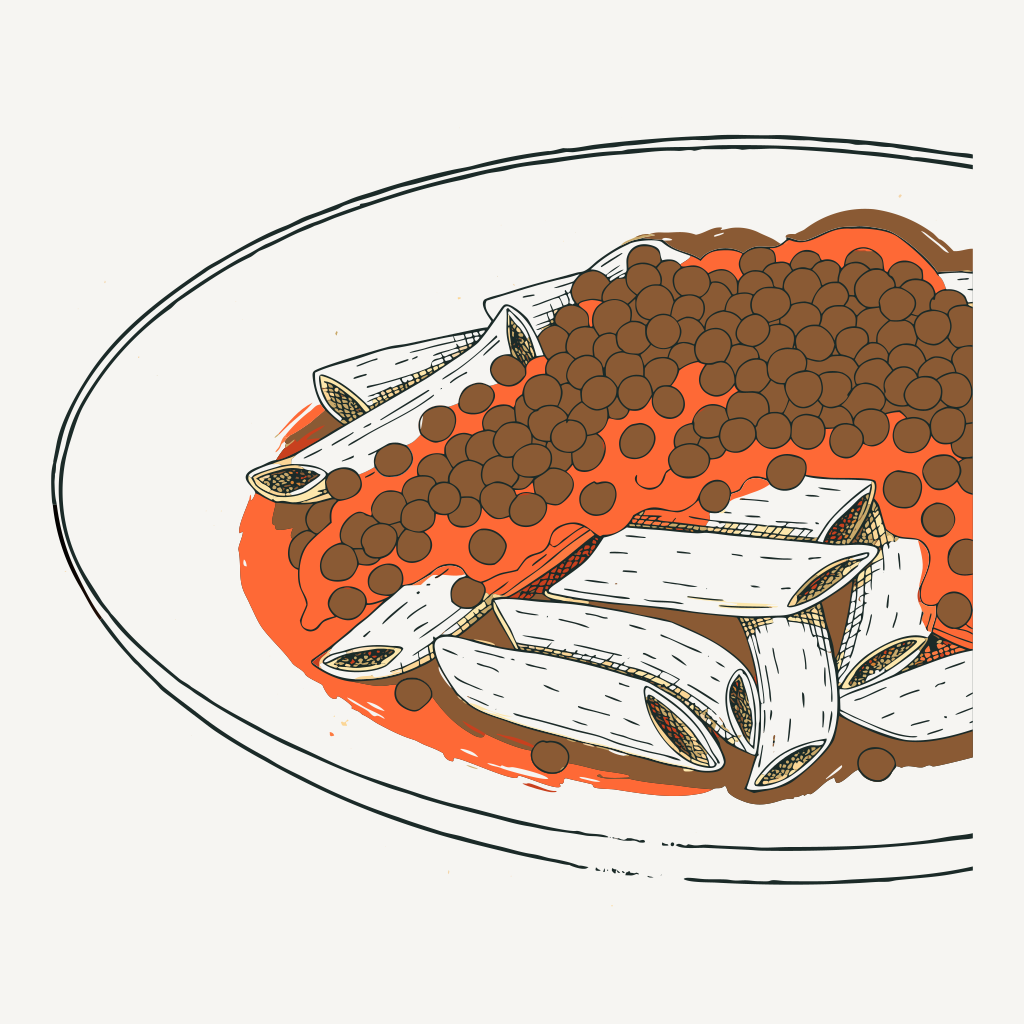
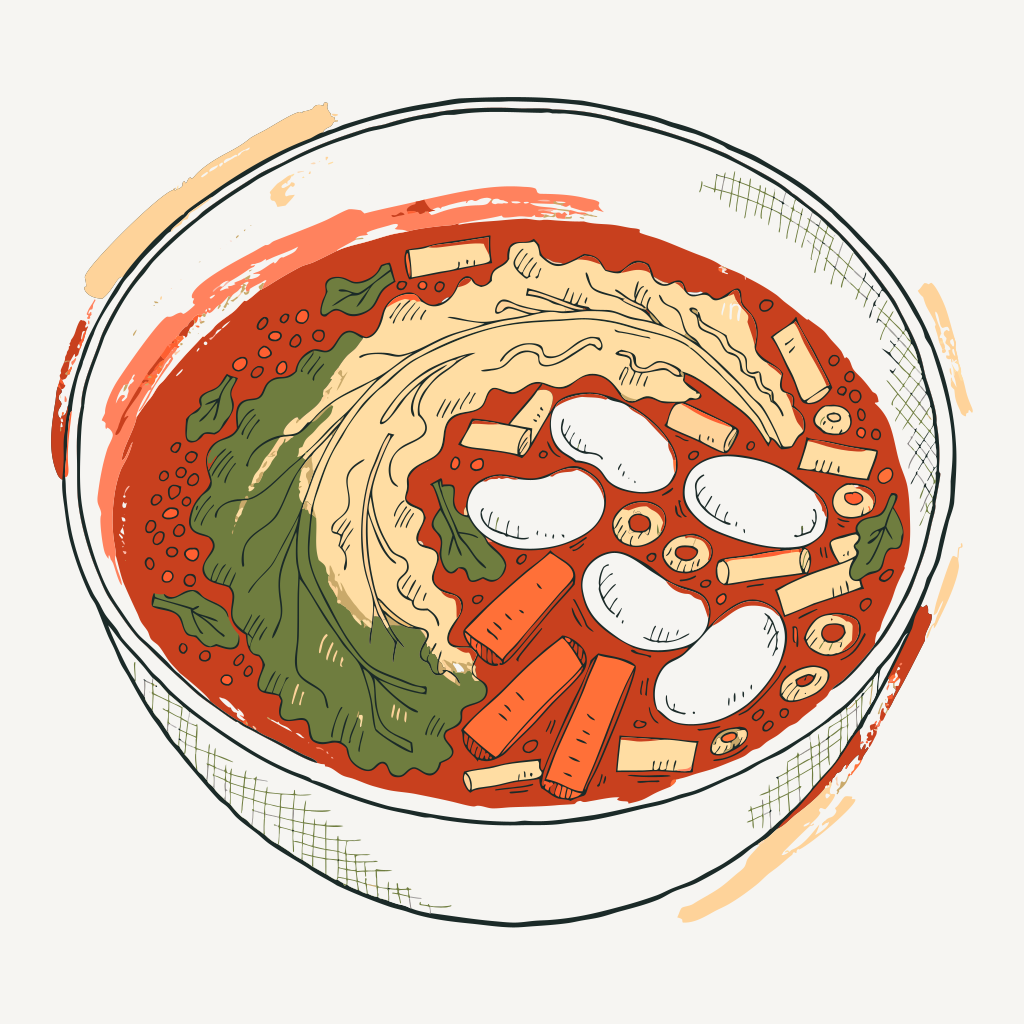
You'll find tomato paste in 3 recipes here, and the ones that use the most are Lentil Shepherd's Pie, Lentil Bolognese, and Minestrone.
How long can you store tomato paste?
About 18 months in the pantry — tube: refrigerate after opening, ~45 days.
Is there gluten in tomato paste?
No — tomato paste are gluten-free.
How much does a serving of tomato paste cost?
About $0.81 a serving at US retail (Jul 2026), from Walmart — Cento double-concentrated tomato paste, 4.56 oz tube.
MVP field manual · tomato-paste · reviewed Aug 2026