§02 · Pantry · Spices & Seasoning · sea-salt
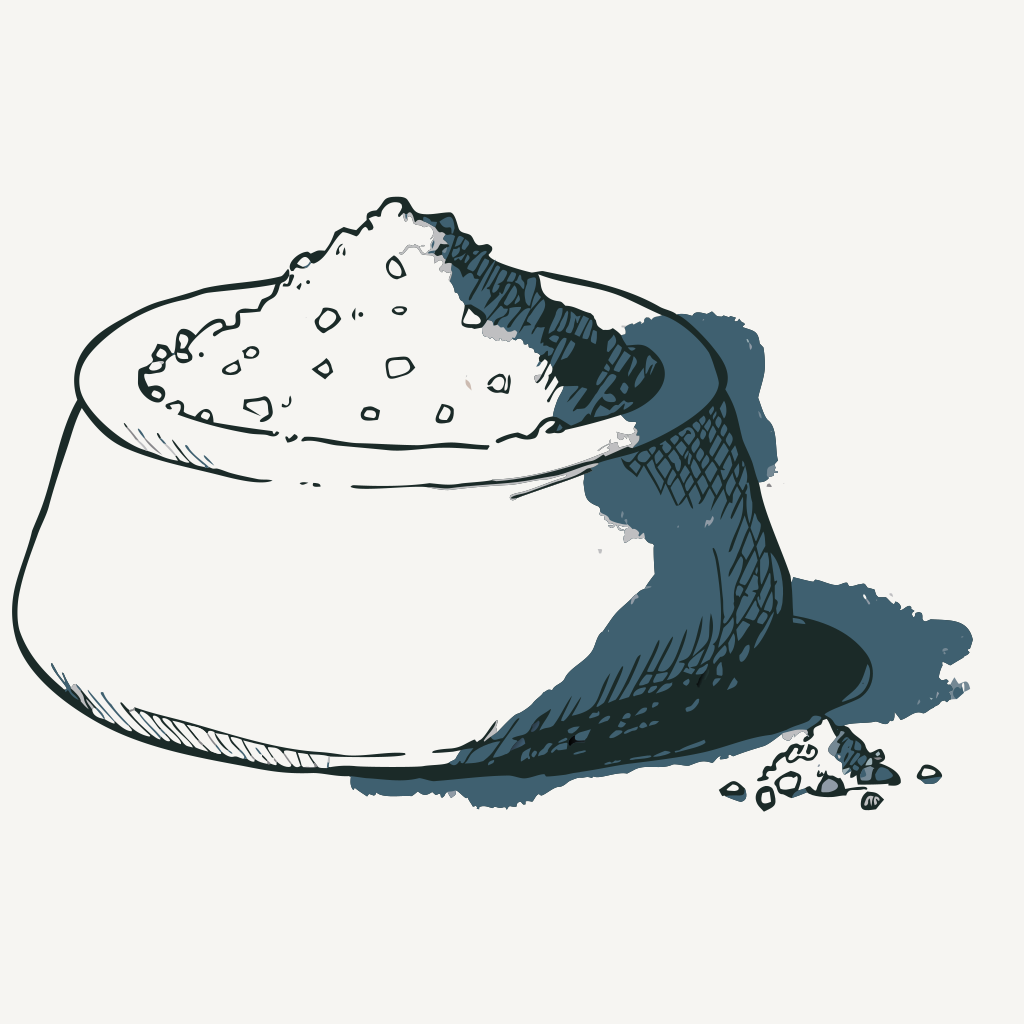
Sea Salt
The one seasoning nothing else replaces: it doesn't make food taste salty so much as make food taste like itself. Under-salting is the most common reason home cooking falls flat, and this is the fix.
Recipes that feature sea salt
Browse all 26 recipes →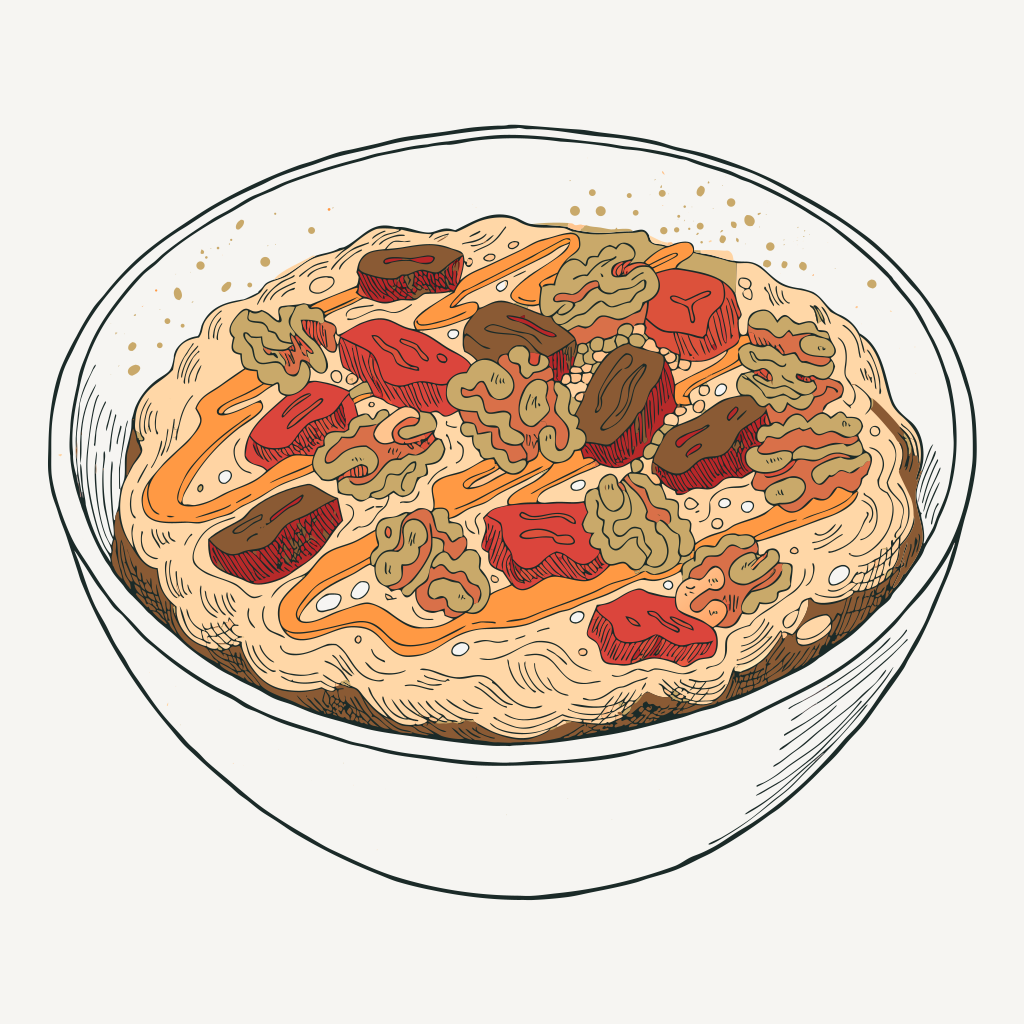
In the kitchen
Salt is the seasoning everything else depends on. Its job isn’t to make food taste salty; it’s to make food taste more like what it already is, to lift the sweetness of a roasted carrot, round out a pot of beans, sharpen a sauce. The single most common reason home cooking tastes flat is that it’s under-salted, and the fix is to season in layers: the cooking water, the vegetables as they go, and the finished dish to taste.
Learn the partner move too. When a dish tastes dull but salt isn’t the answer, it’s usually acid, a splash of vinegar or lemon. Between the two, most flat food gets rescued.
Health
Salt is the one seasoning where the health story is about restraint. It’s essentially all sodium, and most people eat more than they need, mainly from packaged and restaurant food rather than the home cook’s shaker. Cooking from a pantry like this one, where you control every pinch, is itself the lever: you can season food well and still land far below where a processed-heavy diet lands.
No nutrition framework here scores salt as a food group, and that silence is the point; it’s the seasoning the dietary patterns tell you to moderate, not the one they tell you to eat more of. Its sodium figure is in the panel below, sourced like every number on the site.
What it contains
Vitamins & minerals
What the frameworks say
- EAT-Lancet Not counted
- Mediterranean Not counted
- DASH Not counted
- Daily Dozen Not counted
Research
The scorecard
- Cost
- $0.01 / serving Walmart · tracked Jul 2026 · priced from Walmart — Morton fine sea salt, 17.6 oz.
- Shelf life
- 60 months in the pantry USDA FoodKeeper — effectively indefinite.
MVP is the weighted composite of these four axes — methodology & weights. It describes items already in the pantry; it never decides membership.
What swaps in
- Kosher salt
- coarser, so more by volume; the ratio depends on the brand
- Table salt
- finer and denser; use about ¾ by volume
Common questions
When should I add salt while cooking?
In layers, throughout. Salt the water for pasta and beans, salt vegetables as they cook, and salt the finished dish to taste. Seasoning in stages lets the salt work into the food rather than just coating the surface, which is why a dish salted only at the end can taste both flat and too salty at once.
How do I fix a dish that tastes flat but isn't under-salted?
Reach for acid, not more salt. A splash of vinegar or a squeeze of lemon brightens a dish that's gone dull, and often that, not salt, is what was missing. Salt and acid are the two seasonings that rescue most flat food; learn to tell which one a dish is asking for.
Is sea salt healthier than table salt?
Not meaningfully. Sea salt and table salt are almost entirely sodium chloride; the trace minerals in sea salt are too small to matter nutritionally, and table salt adds iodine, which is genuinely useful. The real health question with any salt is how much total, not which kind.
What can I make with sea salt?
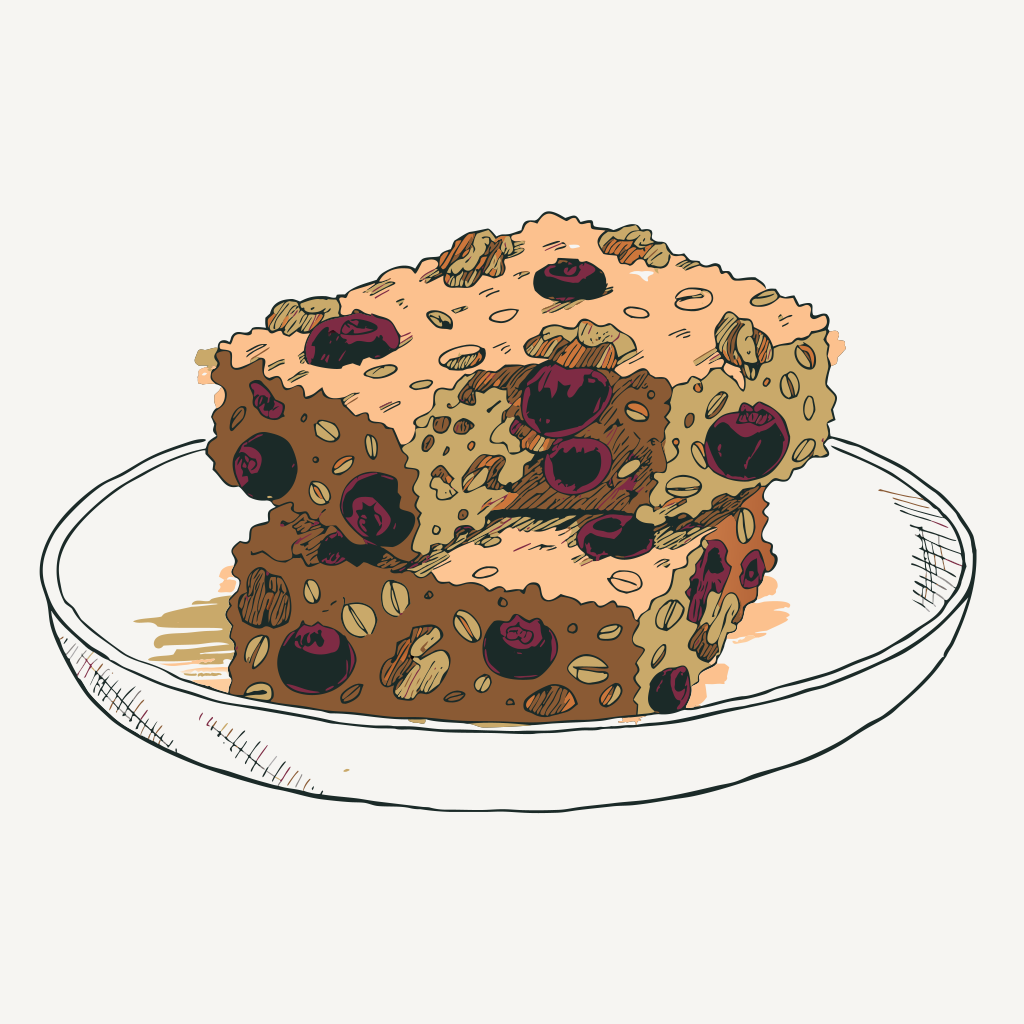
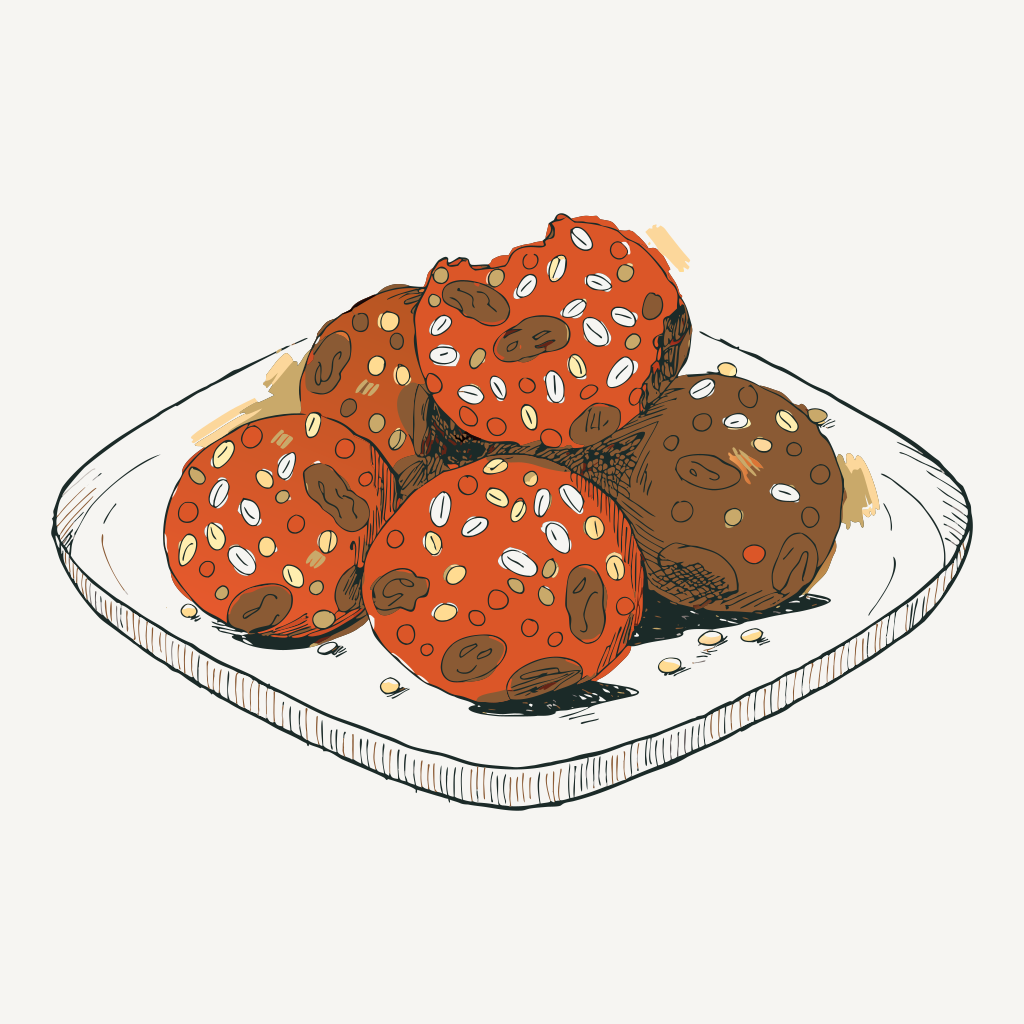
You'll find sea salt in 26 recipes here, and the ones that use the most are Warm Spiced Oatmeal, Blueberry-Walnut Baked Oatmeal, and Peanut-Date Energy Bites.
How long can you store sea salt?
About 60 months in the pantry — effectively indefinite.
Is there gluten in sea salt?
No — sea salt are gluten-free.
How much does a serving of sea salt cost?
About $0.01 a serving at US retail (Jul 2026), from Walmart — Morton fine sea salt, 17.6 oz.
MVP field manual · sea-salt · reviewed Aug 2026