§02 · Pantry · Vegetables & Fruit · onion
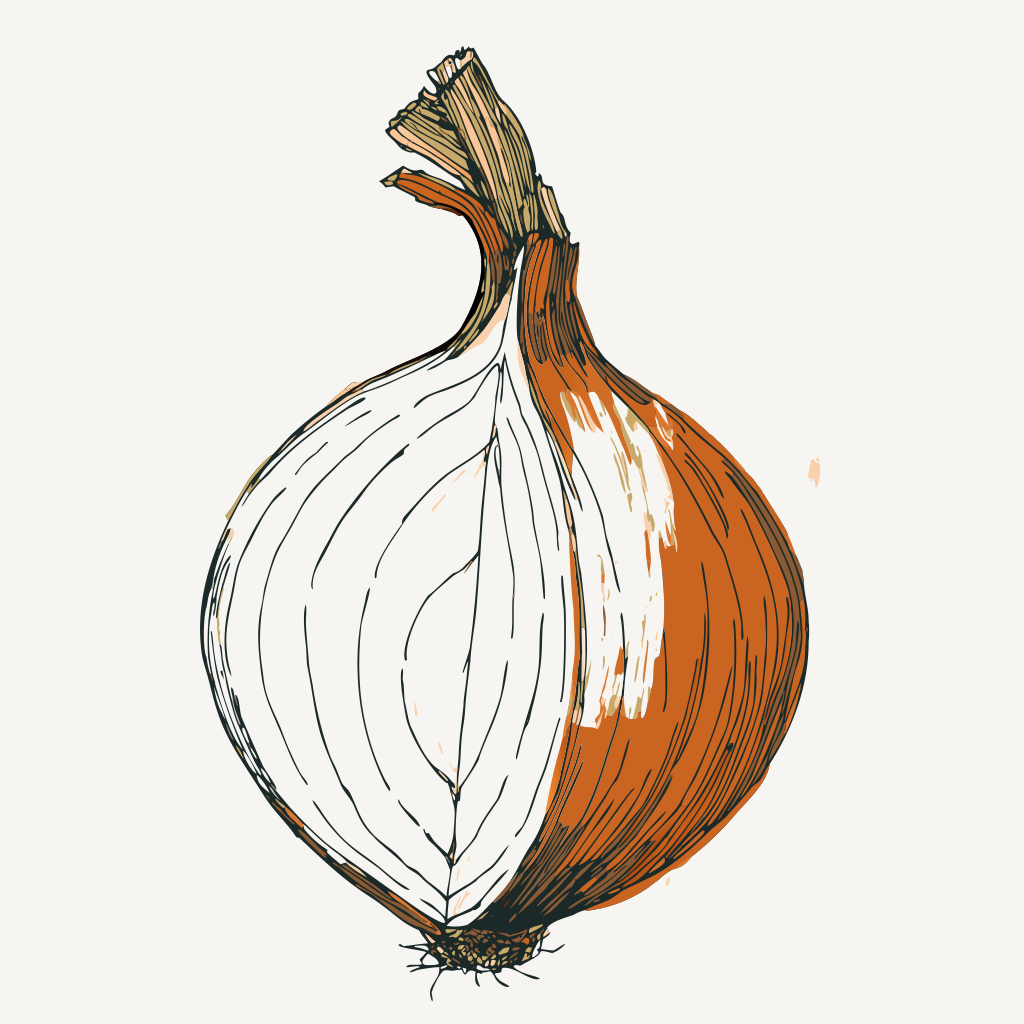
Red Onion · Fresh
Nearly every savory dish starts the same way: an onion softening in oil. It's the base note under soups, stews, sauces, and skillets, and the red one brings a little sweetness and color the yellow can't. Cook it first and build from there.
Recipes that feature red onion
Browse all 16 recipes →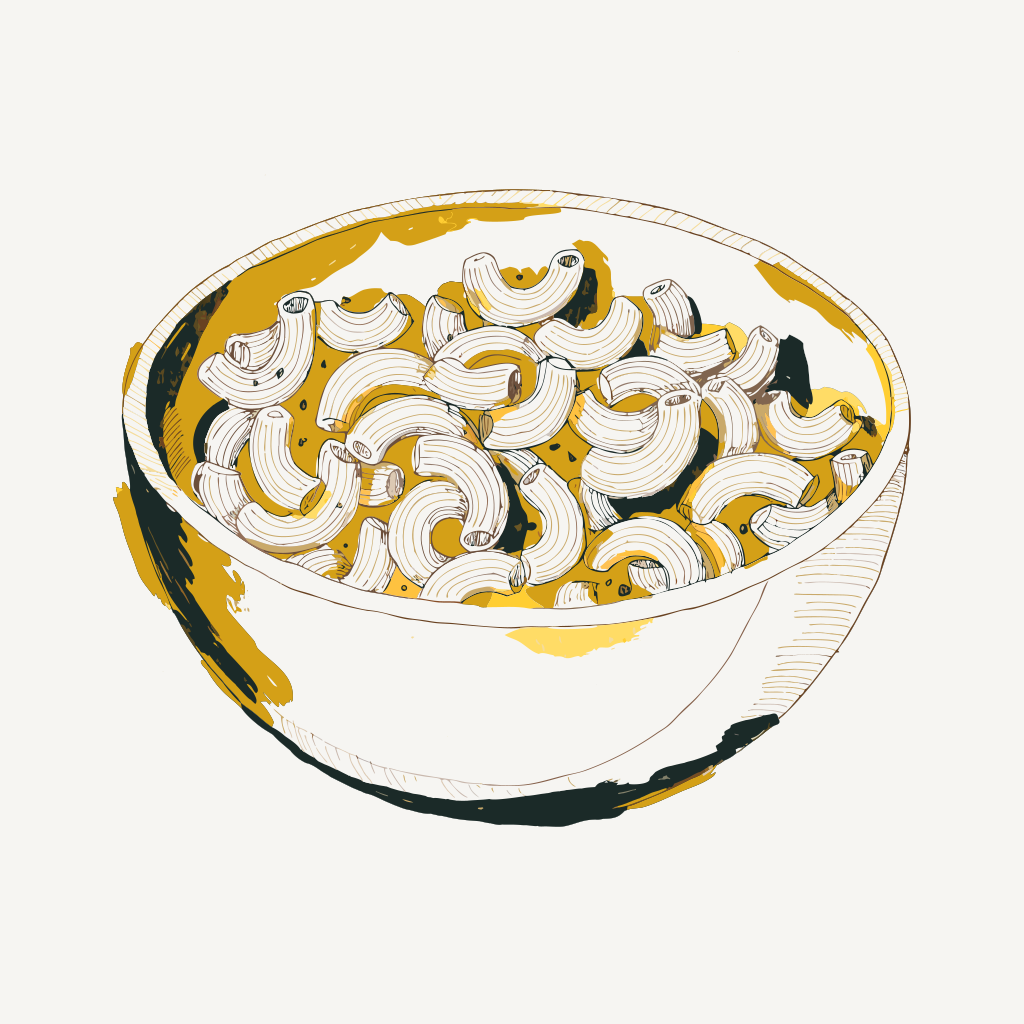
How to cook it
- Halve, peel, and slice or dice depending on the dish.
- Soften in oil over medium heat until translucent, about 5 minutes, for a base.
- Keep going, low and slow, 20 minutes or more, to caramelize into sweetness.
- Or use it raw, thinly sliced, for a sharp bite in a salad or on a taco.
In the kitchen
The onion is where savory cooking begins. Soften one in oil and you’ve built the base for a soup, a curry, a tomato sauce, a pot of beans, a chili, a hash. Push it further, low and slow, and it caramelizes into a sweet, jammy tangle that makes a sandwich or a bowl taste like it took real effort. Raw and thinly sliced, a red onion brings a sharp, bright bite to a salad, a taco, or a grain bowl.
Salt it early to draw out moisture and speed the softening. If it’s browning too fast or catching on the pan, drop the heat and add a splash of water; you want it sweet, not scorched.
Health
Onions are low in calories and carry the fiber and plant compounds that make vegetables worth eating; the red ones add anthocyanins, the same pigment antioxidants that color berries, which the yellow and white kinds don’t have.
Onions count as a vegetable under every framework here: EAT-Lancet, the Mediterranean pattern, DASH, and the Daily Dozen all push the plate toward more vegetables. The datasets are linked from the frameworks and research below.
What it contains
Vitamins & minerals
What the frameworks say
Research
The scorecard
- Cost
- $0.31 / serving Walmart · tracked Aug 2026 · priced from Walmart — red onions, 2 lb bag.
- Shelf life
- 2 months in the pantry USDA FoodKeeper — cool, dark, ventilated — not the fridge.
MVP is the weighted composite of these four axes — methodology & weights. It describes items already in the pantry; it never decides membership.
What swaps in
- Yellow onion
- milder cooked, none of the anthocyanins
- White onion
- sharper raw, none of the anthocyanins
- Shallots
- sweeter and finer; about 3 small per onion
Common questions
Can I use a red onion anywhere a recipe calls for onion?
Almost always, yes. Red onions are a touch sweeter and milder than yellow, which makes them great raw, and they cook down just the same. Keep one kind rather than three; the difference rarely decides a dish.
How do I stop crying when I cut onions?
A sharp knife (it crushes fewer cells), chilling the onion first, and cutting near a running fan or open window all help. Most of the sting comes from a gas the cut cells release, so speed and airflow are your friends.
What's the difference between sautéing and caramelizing an onion?
Time and heat. A five-minute sauté softens the onion and takes off its raw edge; caramelizing means twenty minutes or more on low heat until it collapses into something brown and sweet. Both start the same way; caramelizing just keeps going.
What can I make with red onion?
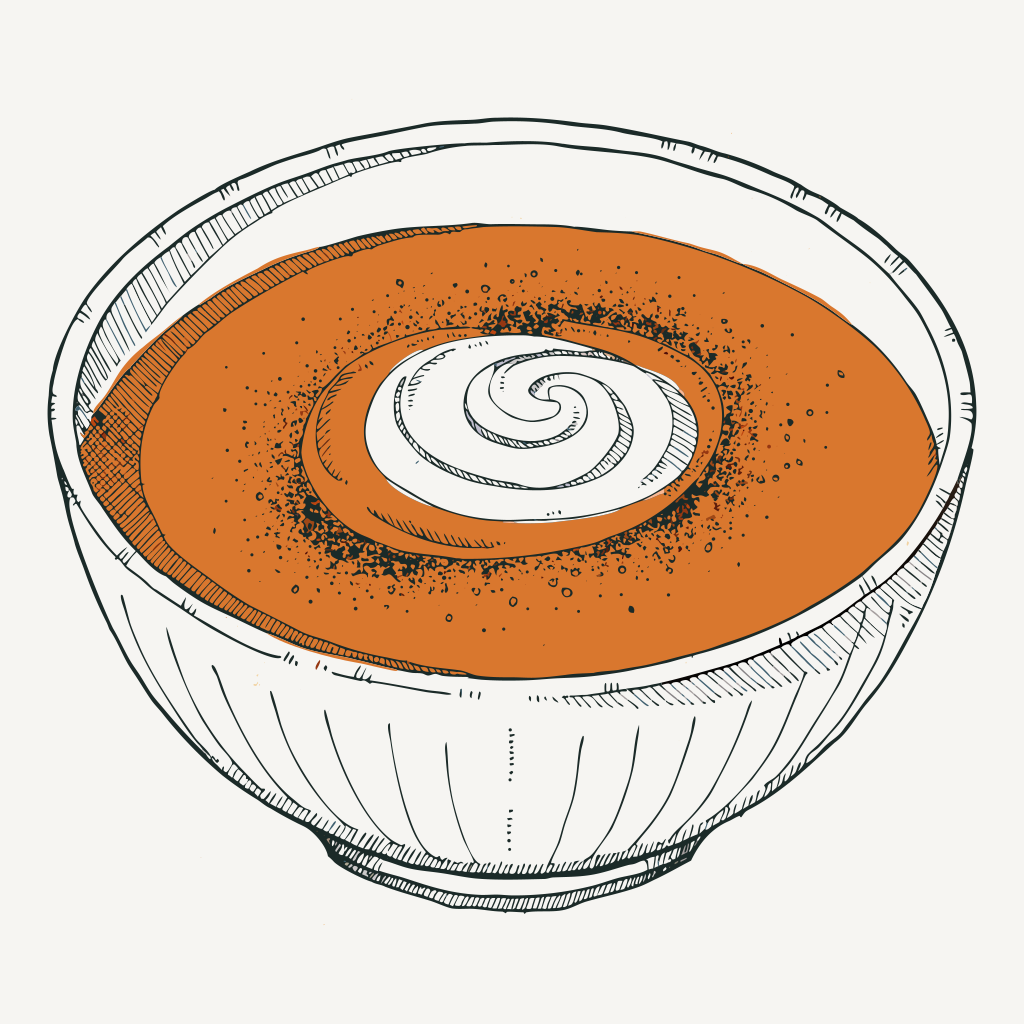
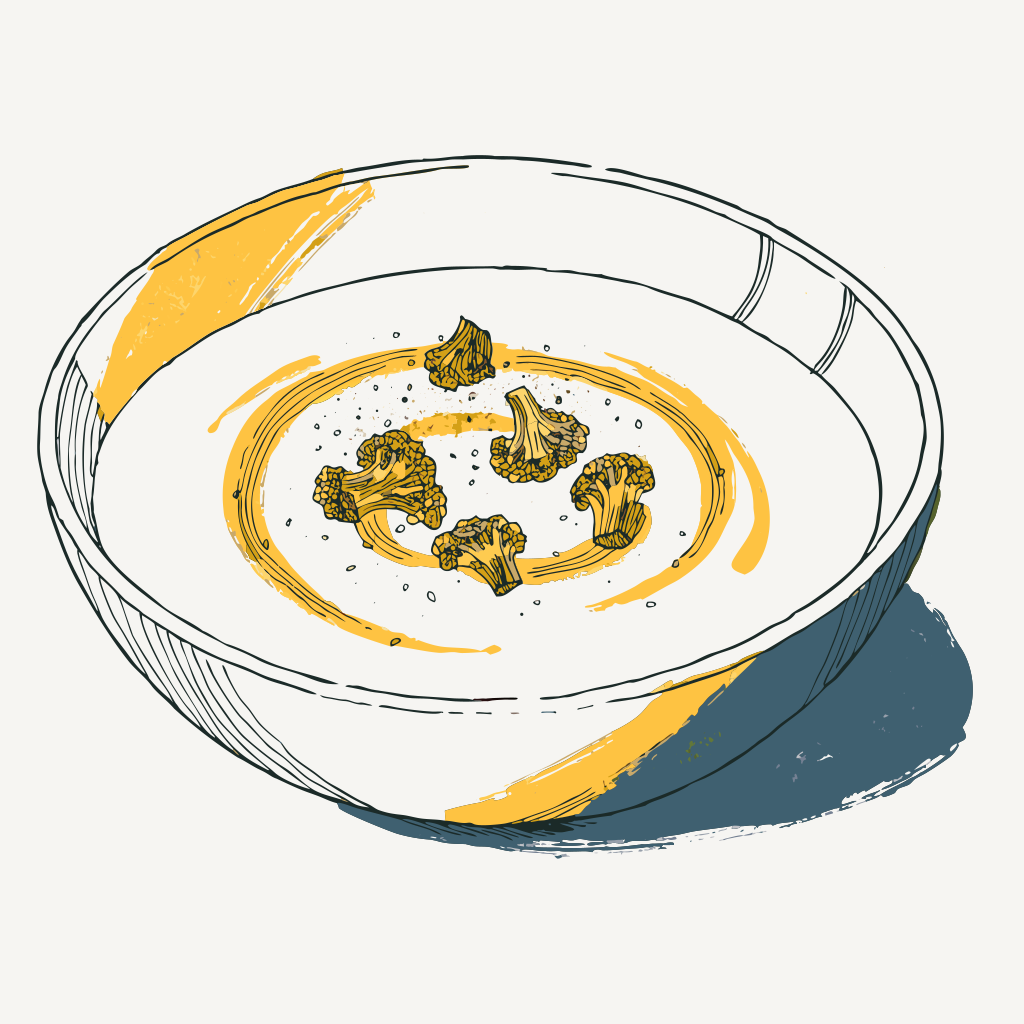
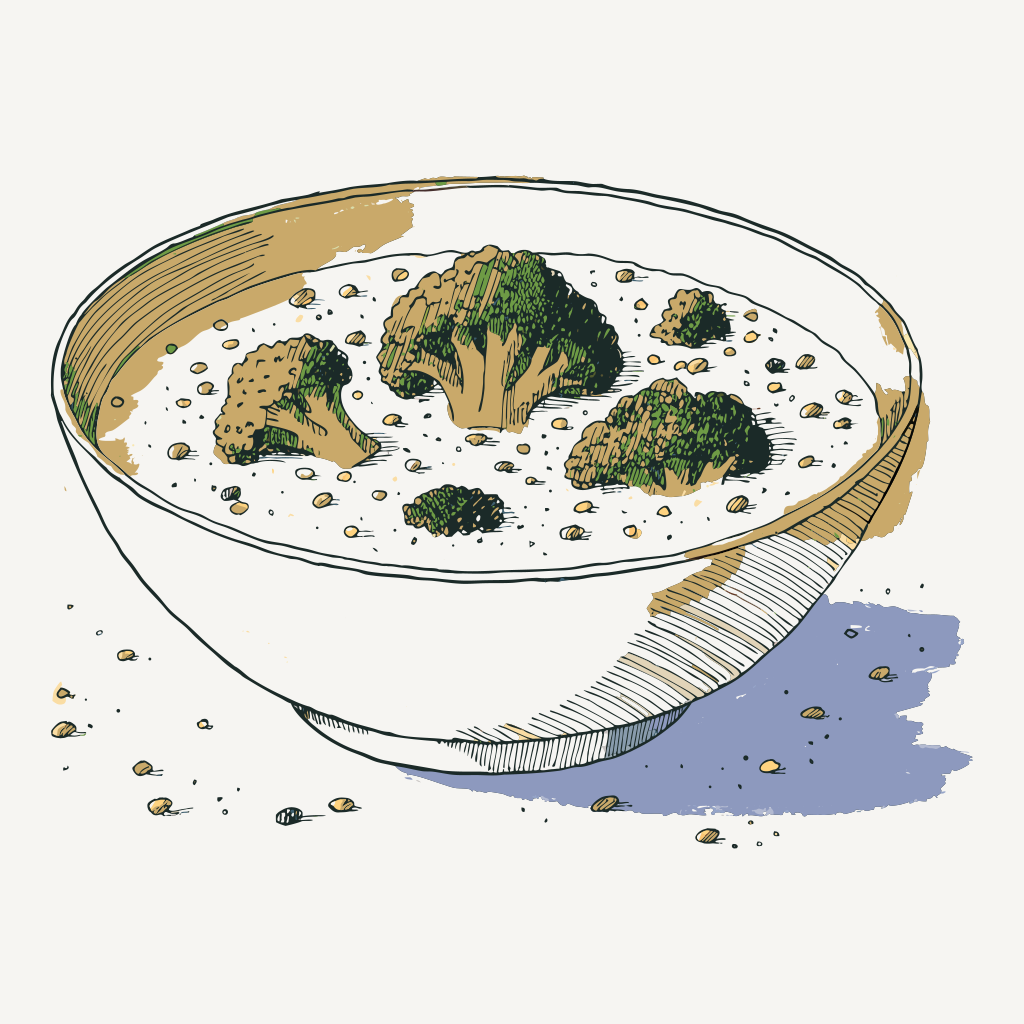
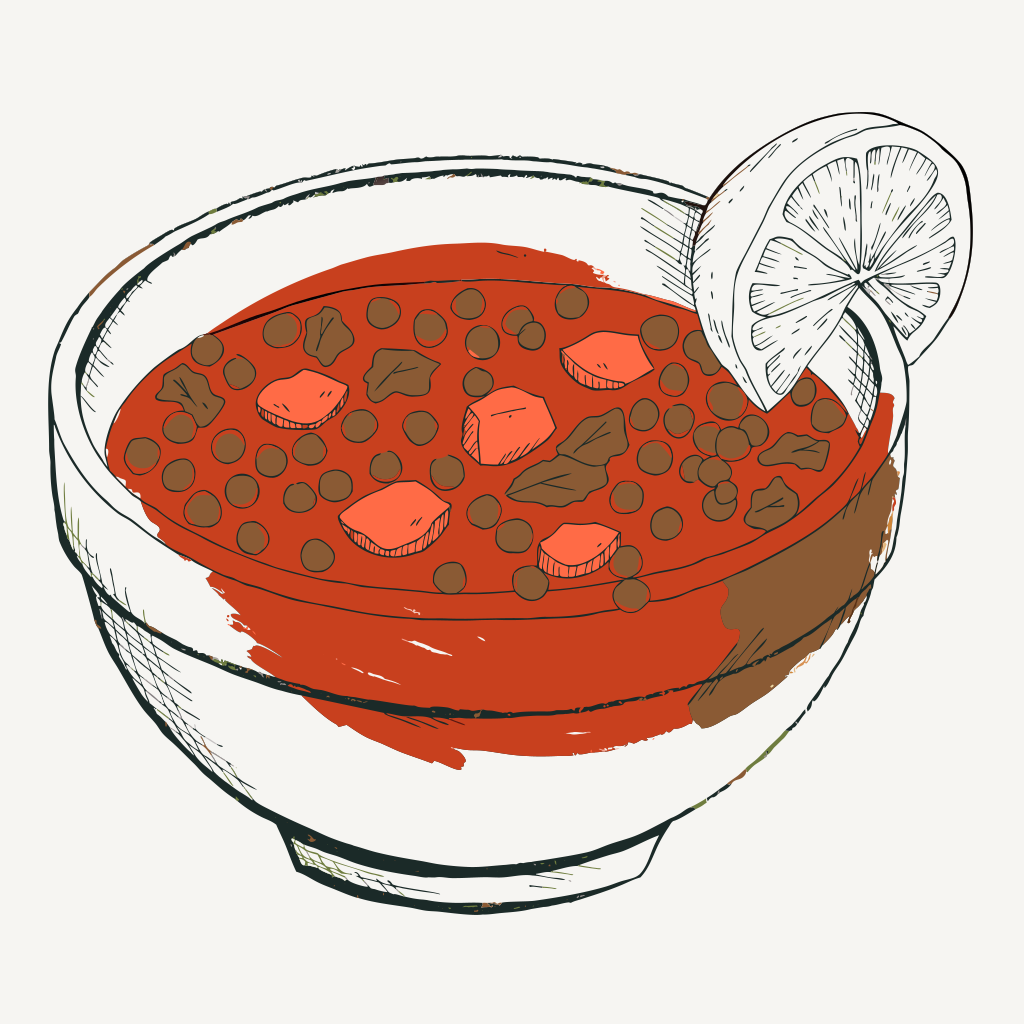
You'll find red onion in 16 recipes here, and the ones that use the most are Cashew Mac & Cheese, Ginger Carrot Soup, and Roasted Cauliflower Soup.
How long can you store red onion?
About 2 months in the pantry — cool, dark, ventilated — not the fridge.
Is there gluten in red onion?
No — red onion are gluten-free.
How much does a serving of red onion cost?
About $0.31 a serving at US retail (Aug 2026), from Walmart — red onions, 2 lb bag.
MVP field manual · onion · reviewed Aug 2026