§02 · Pantry · Nuts & Seeds · cashews
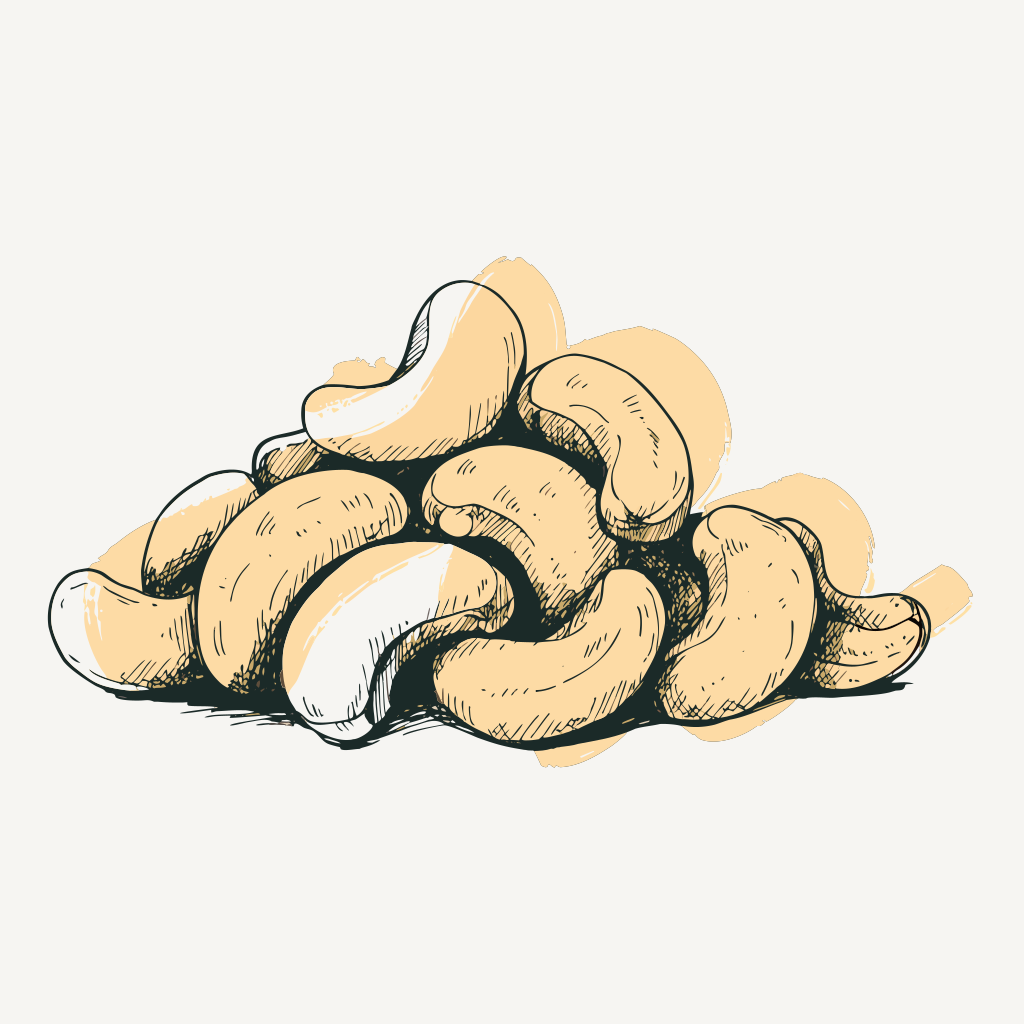
Cashews · Raw
Soaked and blended, they turn into cream: the pantry's number-one stand-in for dairy in a sauce, a soup, or a nacho cheese. Nothing else on the shelf is this rich and this neutral at the same time.
Recipes that feature cashews
Browse all 3 recipes →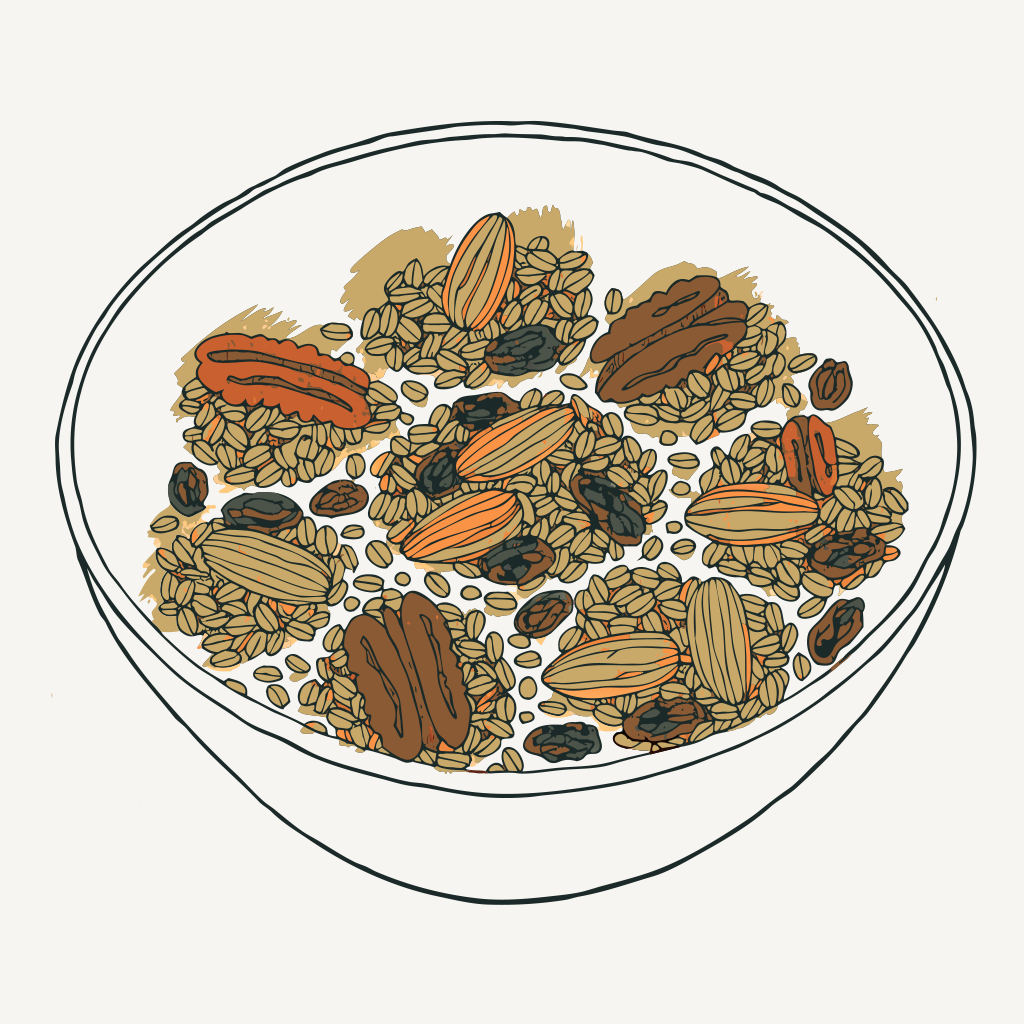
How to cook it
- For a cream: soak raw cashews in hot water 15 to 30 minutes (or boil 10), drain, then blend with fresh water until completely smooth.
- Adjust the water to hit anything from a pourable cream to a thick, spoonable cheese.
- For crunch: leave them whole or roughly chop, and toast in a dry pan until golden.
In the kitchen
The cashew’s superpower is blending into cream. Soaked soft and puréed with water, it becomes a pourable cream for a soup or a pasta, or, with less water, a thick, spoonable base for a nacho cheese or an alfredo. Add nutritional yeast, a squeeze of lemon, and salt, and it turns convincingly cheesy. This is how a plant-based kitchen makes things rich without dairy, and cashews do it better than anything else here because they bring almost no flavor of their own.
Whole and toasted, they’re a different tool: a buttery crunch for a stir-fry, a curry, or a grain bowl. A dry pan and a couple of minutes of attention is all the toasting takes.
Health
Cashews bring plant protein and the kind of unsaturated fat that makes a small handful satisfying, along with iron, magnesium, and zinc. They’re calorie-dense, as all nuts are, which is exactly why a little goes so far in a sauce.
Nuts count under every framework here: EAT-Lancet, the Mediterranean pattern, DASH, and the Daily Dozen all include a daily serving of nuts and seeds. The datasets are linked from the frameworks and research below.
What it contains
Vitamins & minerals
What the frameworks say
Research
The scorecard
- Cost
- $0.53 / serving Walmart · tracked Jul 2026 · priced from Walmart — raw whole cashews (Great Value / Nature's Eats), 16 oz.
- Shelf life
- 12 months in the pantry USDA FoodKeeper — unopened packaged nuts; fridge extends.
MVP is the weighted composite of these four axes — methodology & weights. It describes items already in the pantry; it never decides membership.
What swaps in
- Blanched slivered almonds
- soak longer; slightly grainier when blended
- Raw sunflower seeds
- nut-free, but blends grey-green
Common questions
Do I need a high-powered blender to make cashew cream?
It helps, but a regular blender works if you soak the cashews longer, or boil them for ten minutes, so they're fully soft first. The softer the cashew going in, the smoother the cream comes out. Blend a full minute and scrape down the sides.
Why raw cashews and not roasted?
Raw cashews are neutral, which is the point: blended, they read as cream, not as nuts. Roasted, salted cashews bring their own toasted flavor and salt that fight a delicate sauce. Keep raw ones for blending; toast them yourself when you want the crunch.
What can cashew cream replace?
Pourable, it stands in for cream in a soup or a pasta sauce; thicker, it's a base for a nacho cheese, an alfredo, or a dip. Blend in nutritional yeast and a little acid and it goes convincingly cheesy. It's the pantry's main lever for making plant food rich.
What can I make with cashews?
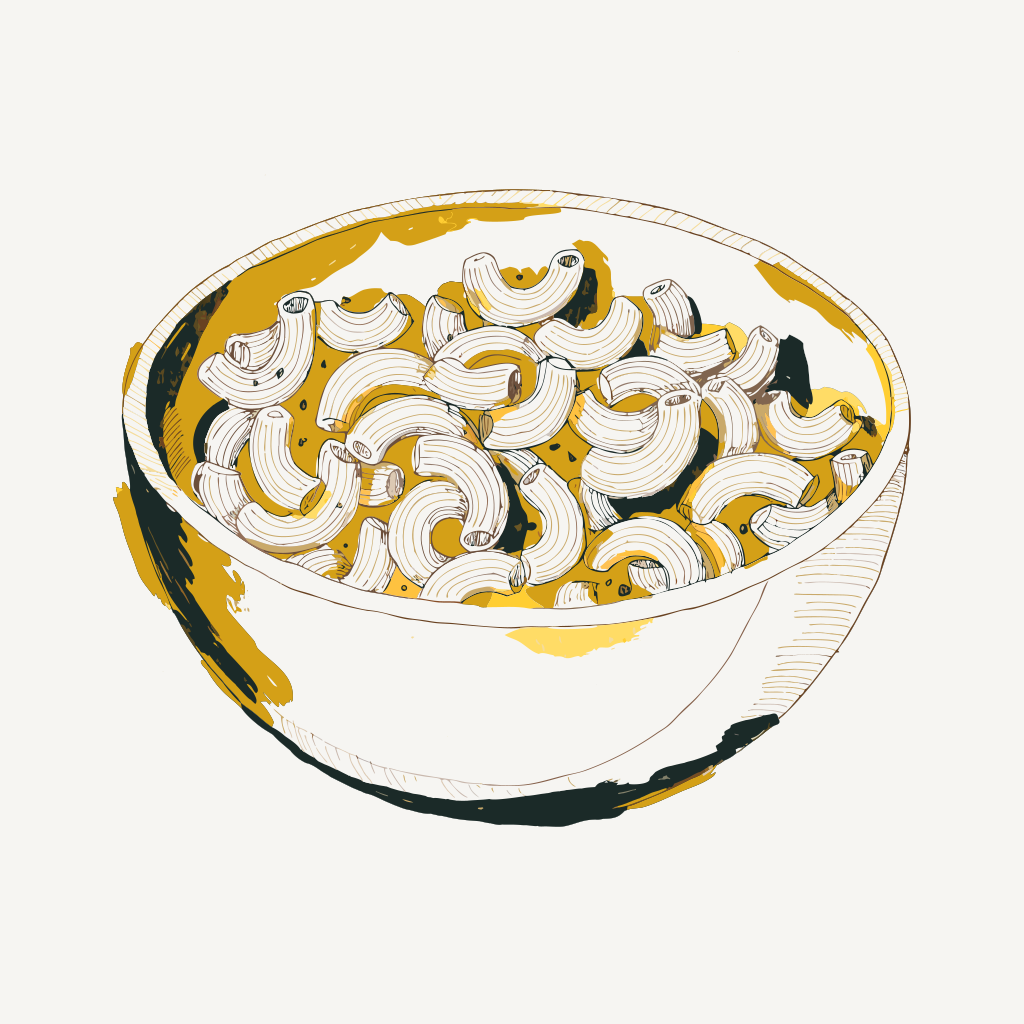
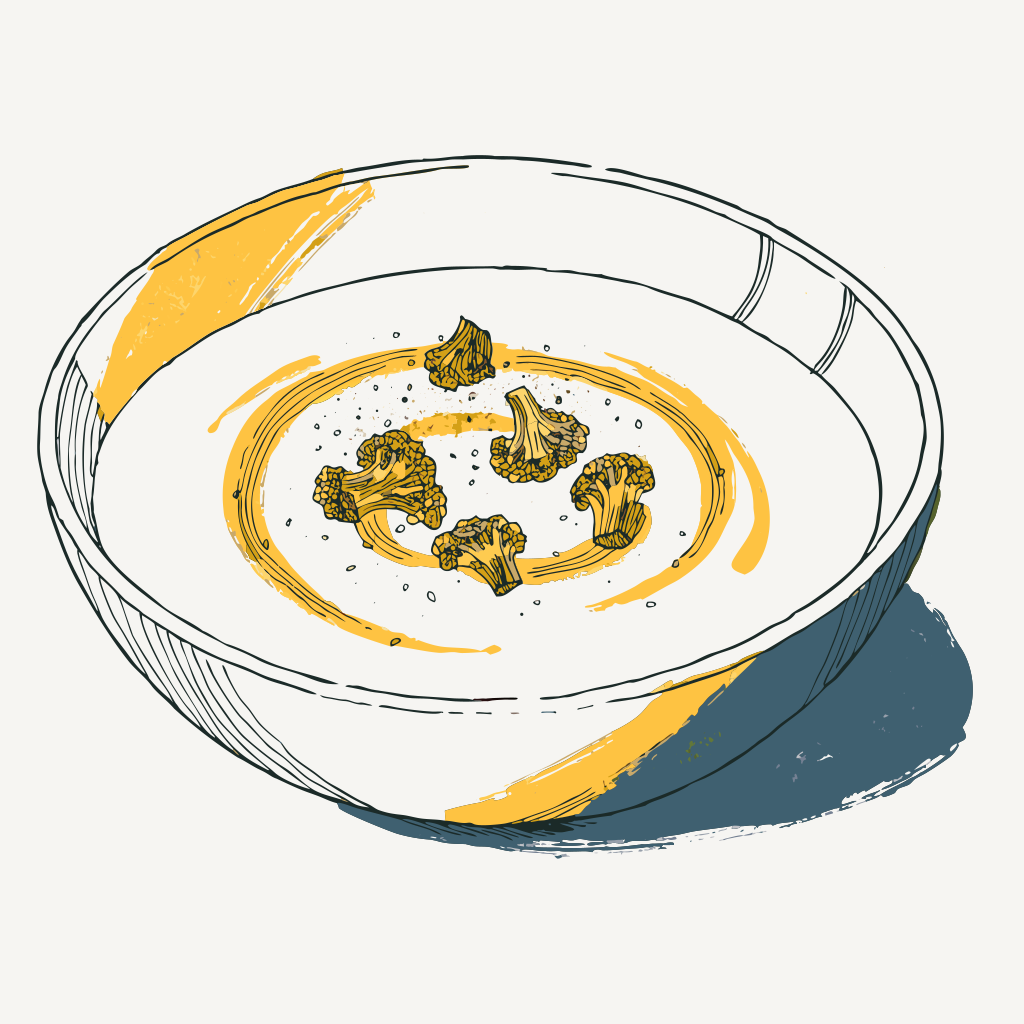
You'll find cashews in 3 recipes here, and the ones that use the most are Maple Nut Granola, Cashew Mac & Cheese, and Roasted Cauliflower Soup.
How long can you store cashews?
About 12 months in the pantry — unopened packaged nuts; fridge extends.
Is there gluten in cashews?
No — cashews are gluten-free.
How much does a serving of cashews cost?
About $0.53 a serving at US retail (Jul 2026), from Walmart — raw whole cashews (Great Value / Nature's Eats), 16 oz.
MVP field manual · cashews · reviewed Aug 2026