§02 · Pantry · Grains & Baking · vanilla-extract
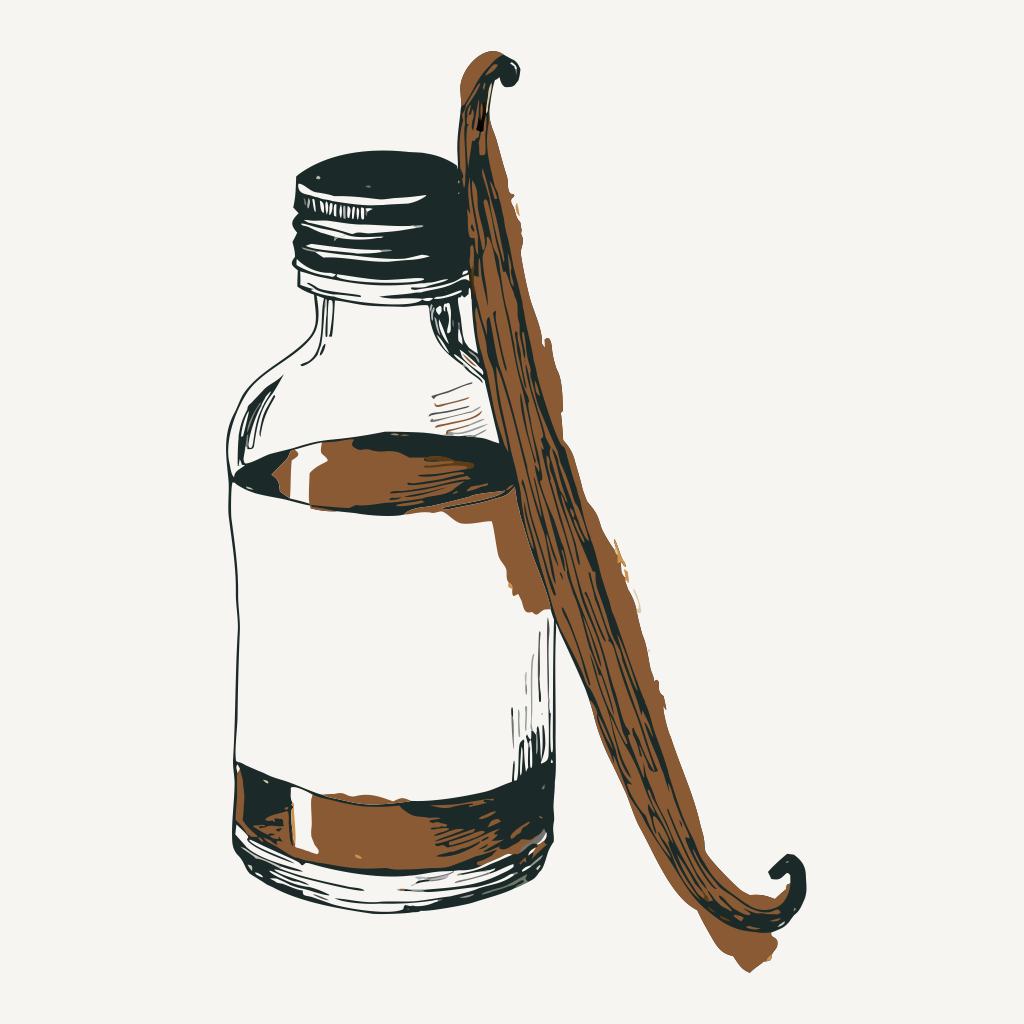
Vanilla Extract · Pure
The background note that makes a bake taste finished: it rounds out oats, pancakes, muffins, and anything sweet, and quietly deepens the fruit and the sweetener beside it. A teaspoon you'd never taste on its own but would miss if it were gone.
Recipes that feature vanilla extract
Browse all 7 recipes →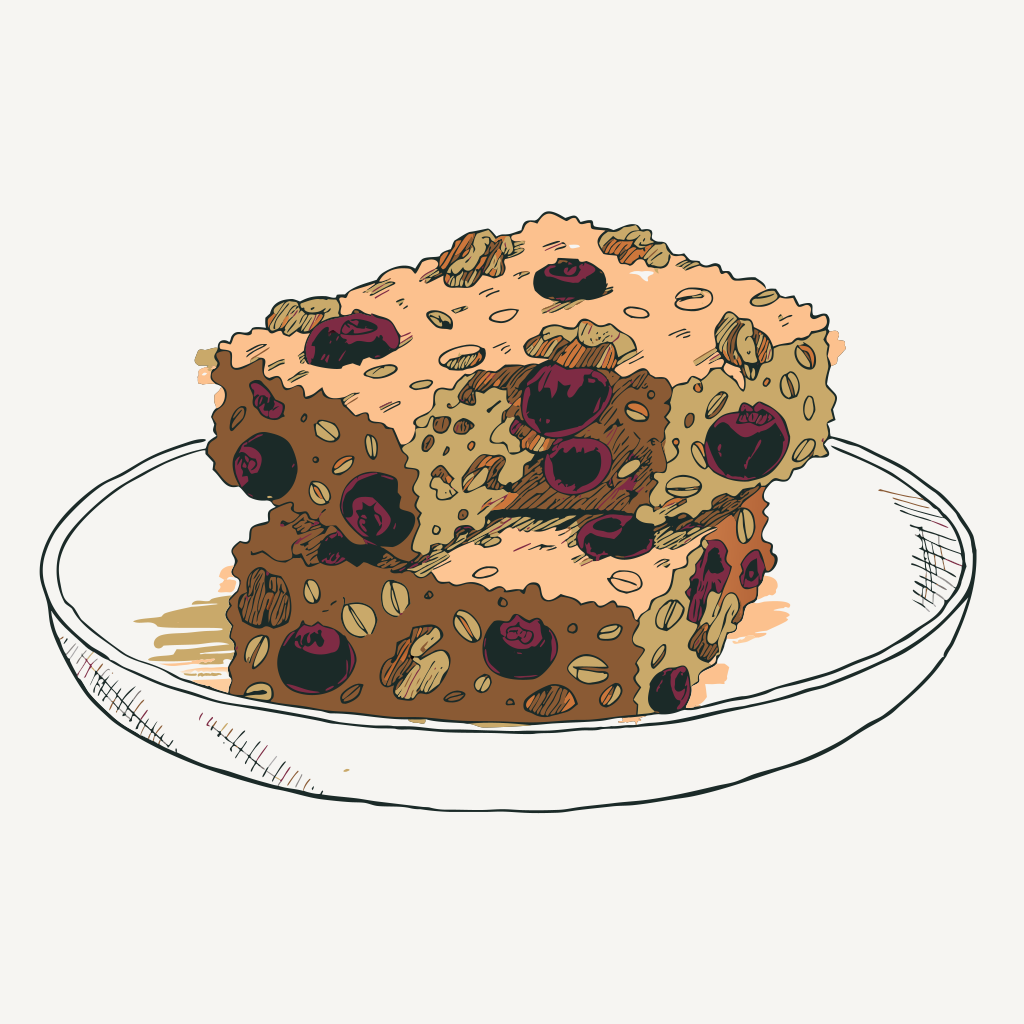
In the kitchen
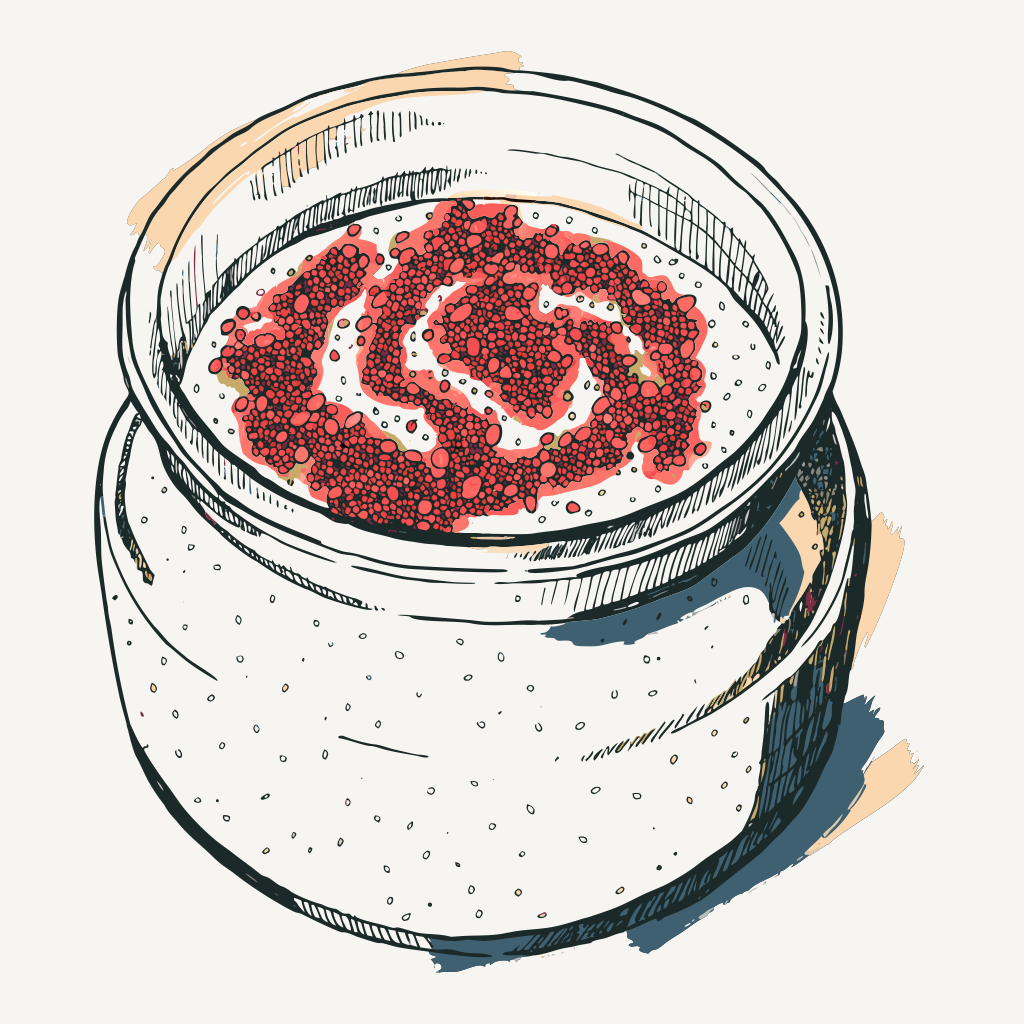
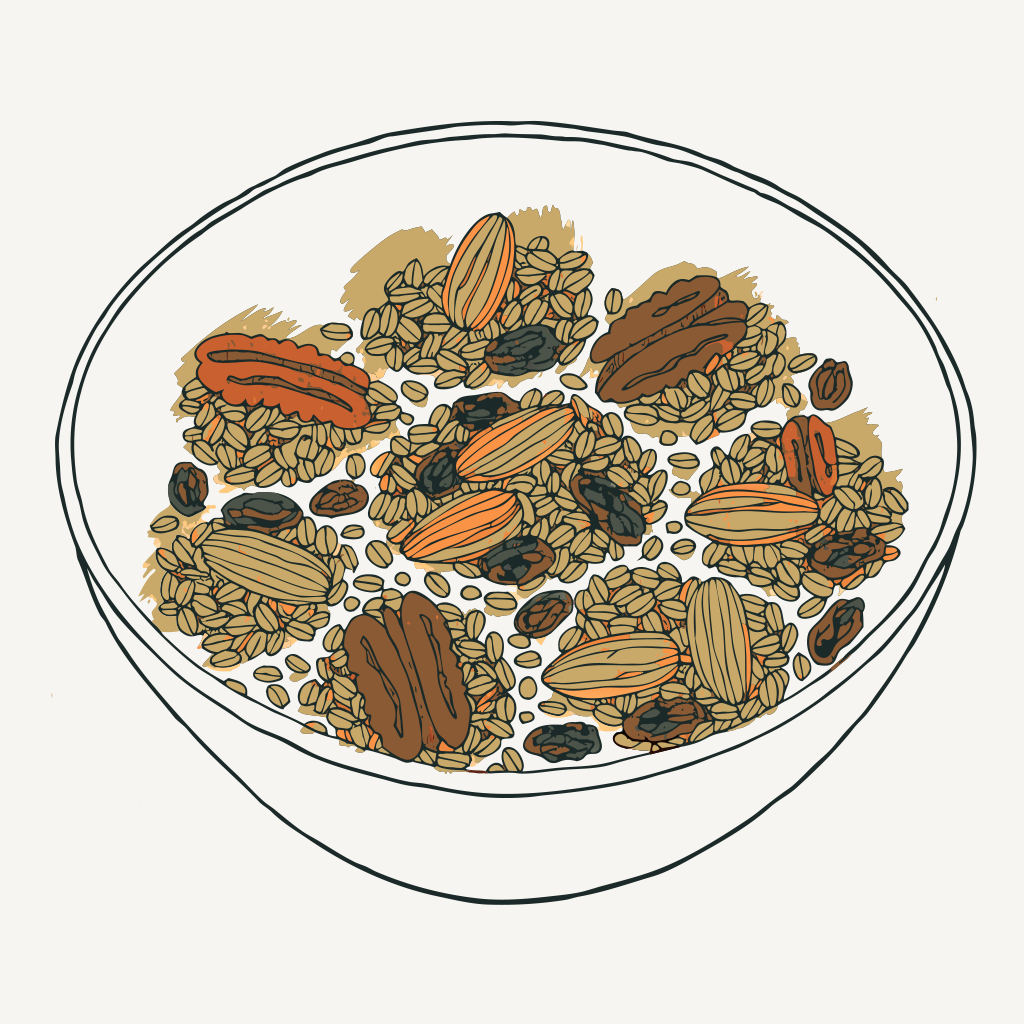
Vanilla extract is the quiet finisher of sweet cooking. A teaspoon in a pancake or muffin batter, a bowl of oats, a fruit compote, or a batch of energy bites rounds out the sweetness and warms the whole thing up, doing for a sweet dish roughly what salt does for a savory one. You rarely taste it directly; you notice its absence.
Stir it in with the wet ingredients so it spreads evenly. Pure extract has the deeper, rounder flavor and a long shelf life, so one bottle quietly improves months of baking.
Health
Vanilla extract is a flavoring used by the teaspoon, so it isn’t a food you eat for nutrition; its whole value is aroma. It carries a trace of sugar and, in most extracts, some alcohol as the carrier, both negligible in the amount a recipe uses. There’s nothing here to seek out or avoid nutritionally; it earns its place on flavor alone.
No nutrition framework here scores it, since it’s a flavoring rather than a food group. Its figures are in the panel below.
What it contains
Vitamins & minerals
What the frameworks say
- EAT-Lancet Not counted
- Mediterranean Not counted
- DASH Not counted
- Daily Dozen Not counted
Research
The scorecard
- Cost
- $0.68 / serving Walmart · tracked Jul 2026 · priced from Walmart — Great Value pure vanilla extract, 1 fl oz.
- Shelf life
- 60 months in the pantry industry guidance (FoodKeeper-consistent) — pure extract is effectively indefinite.
MVP is the weighted composite of these four axes — methodology & weights. It describes items already in the pantry; it never decides membership.
What swaps in
- Vanilla bean paste
- 1:1
Common questions
Does vanilla extract really make a difference?
More than it seems. On its own it's barely there, but in a batter or a bowl of oats it rounds out the other flavors and makes the whole thing taste warmer and more complete, the way salt does in savory food. Leave it out of a simple bake and it often tastes flat without your quite knowing why.
Is pure vanilla extract worth it over imitation?
For most home baking, pure extract is worth the extra cost; it has a rounder, deeper flavor, where imitation vanilla is one-note and can taste faintly artificial. Both work, and in a heavily spiced or chocolatey bake the difference narrows, but a jar of the real thing lasts a long time and earns its place.
When do I add vanilla, and does heat destroy it?
Add it with the wet ingredients so it disperses evenly. Some of its aroma does cook off at high heat, which is why it goes into batters and custards rather than being boiled hard, but for ordinary baking you don't need to fuss; a teaspoon in the mix does its job.
What can I make with vanilla extract?
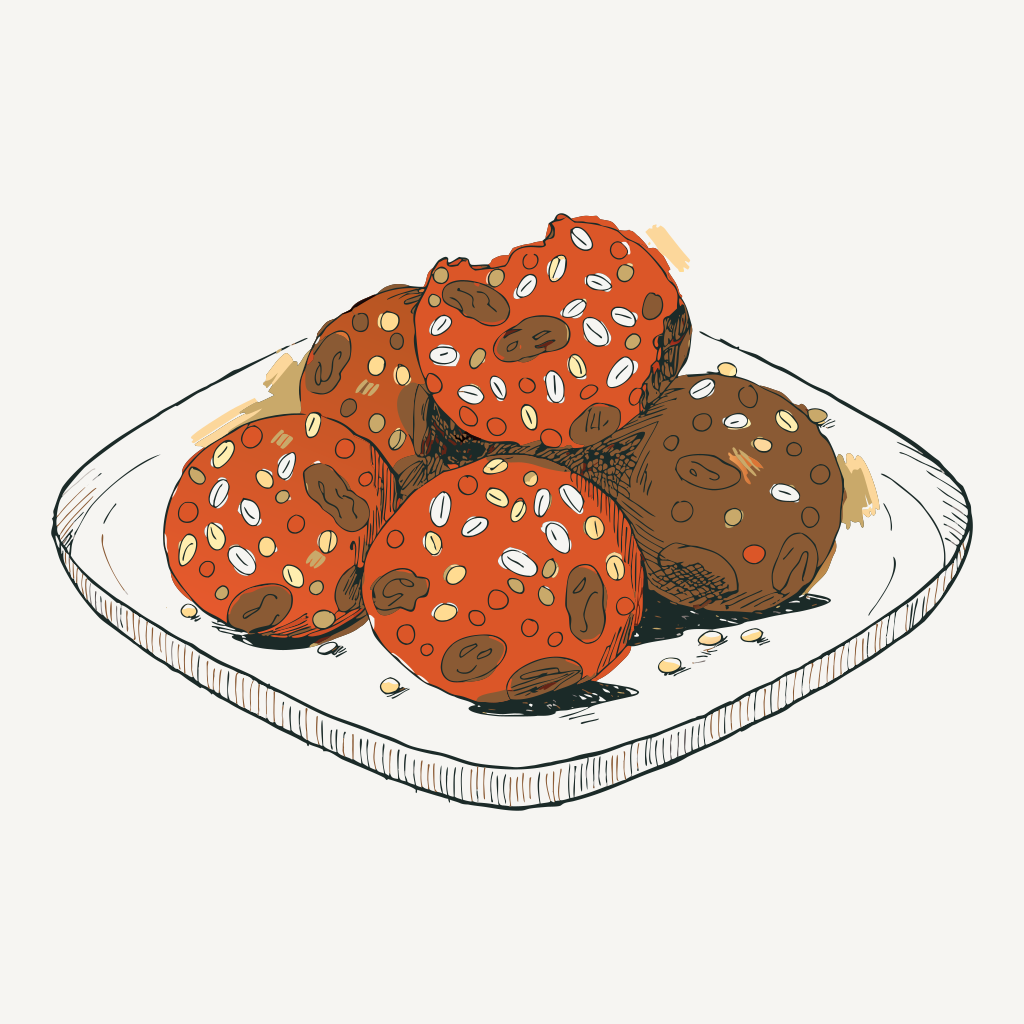
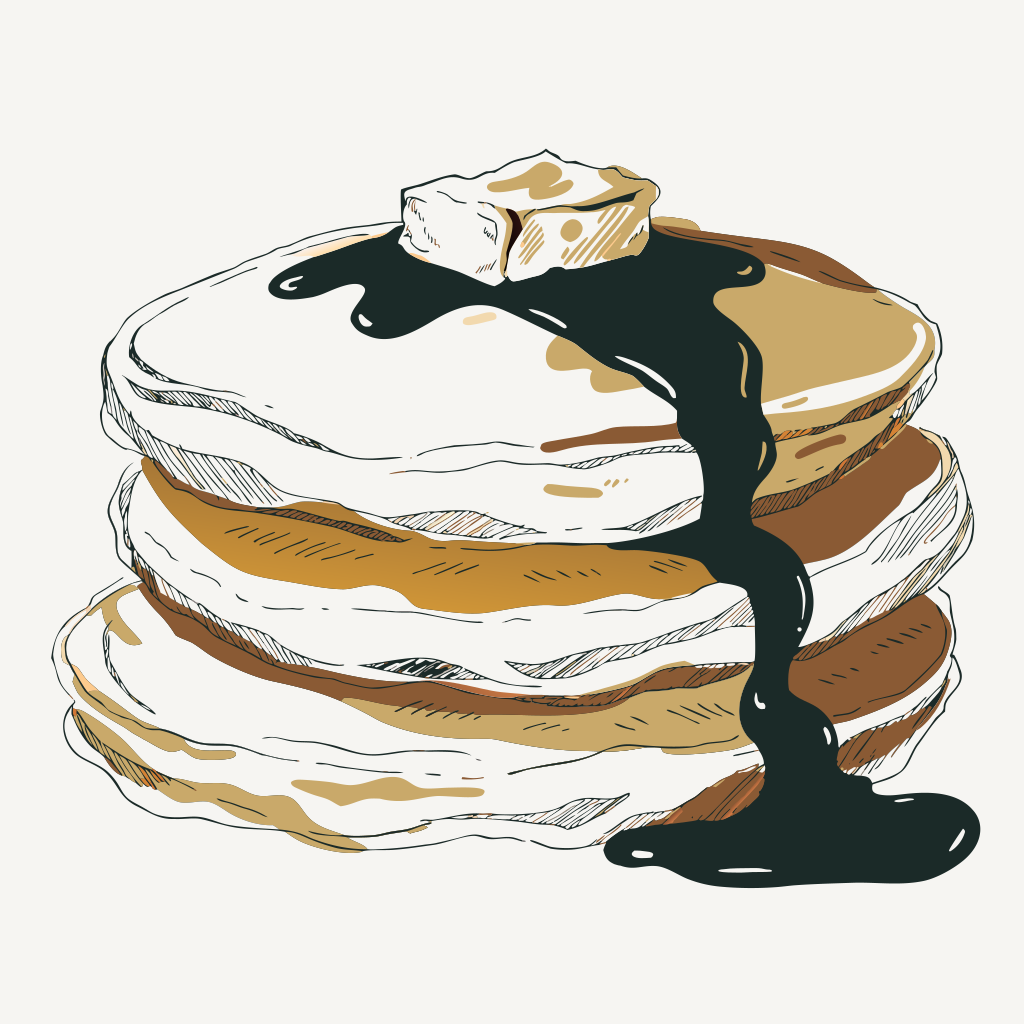
You'll find vanilla extract in 7 recipes here, and the ones that use the most are Blueberry-Walnut Baked Oatmeal, Peanut-Date Energy Bites, and Weekend Pancakes.
How long can you store vanilla extract?
About 60 months in the pantry — pure extract is effectively indefinite.
Is there gluten in vanilla extract?
No — vanilla extract are gluten-free.
How much does a serving of vanilla extract cost?
About $0.68 a serving at US retail (Jul 2026), from Walmart — Great Value pure vanilla extract, 1 fl oz.
MVP field manual · vanilla-extract · reviewed Aug 2026