§02 · Pantry · Oils & Condiments · tamari
Tamari
Instant salty umami from a bottle: the seasoning that gives a stir-fry, a marinade, or a bowl its savory backbone. It's a soy sauce that's gluten-free by default, so it stays a safe swap without a second thought.

Recipes that feature tamari
Browse all 3 recipes →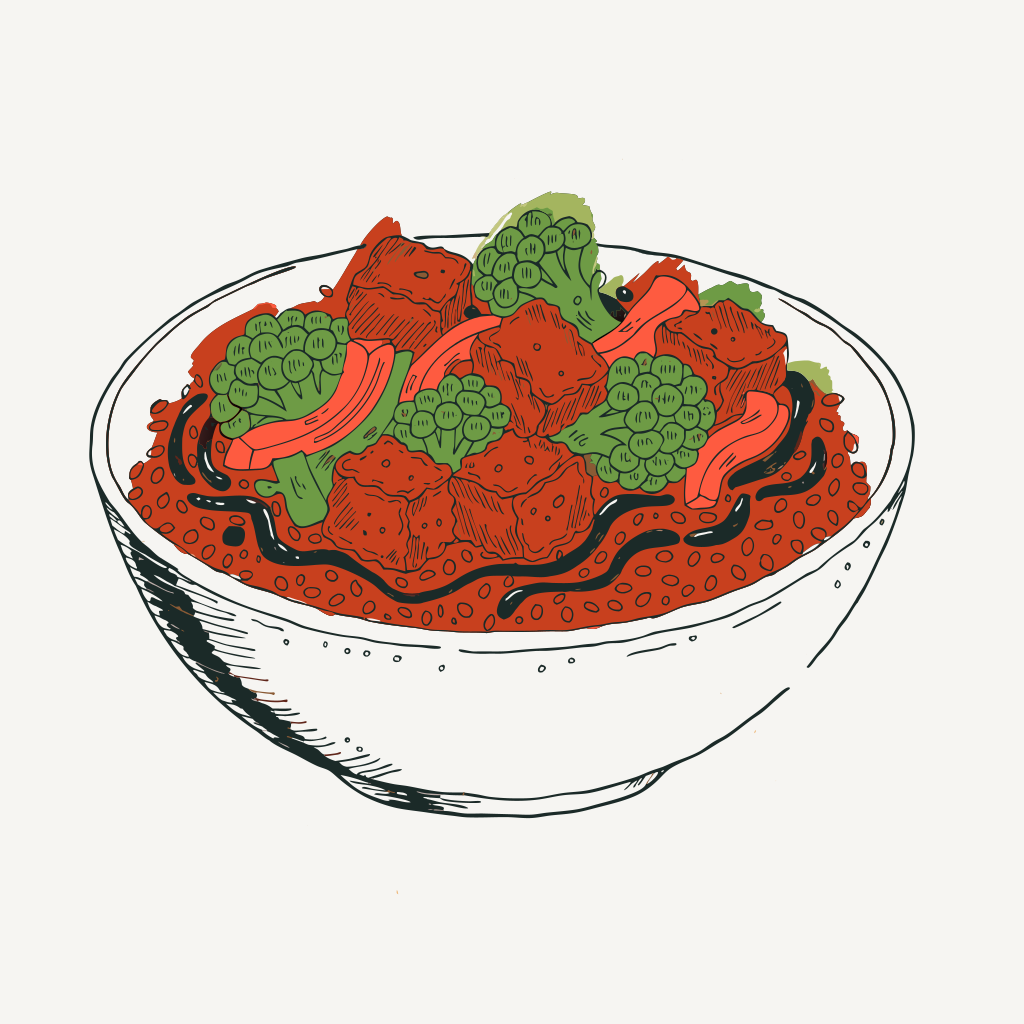


How to cook it
- Use it as your salt in savory Asian-leaning cooking; a splash seasons and deepens at once.
- Add it toward the end of a stir-fry so it doesn't scorch on the hot pan.
- Whisk it into dressings, marinades, and peanut or dipping sauces for salt plus umami.
- Reach for the reduced-sodium bottle if you're watching salt; it's still plenty savory.
In the kitchen
Tamari is savory in a bottle. A splash gives a stir-fry, a pot of noodles, or a bowl its salty, umami backbone, and it does double duty in dressings, marinades, and a peanut or dipping sauce, seasoning and deepening at once. Because it’s a soy sauce made without wheat, it’s the version that keeps a gluten-free kitchen from having to think twice.
Treat it as your salt when it’s in a dish: add it and taste before reaching for more. And add it late to anything on high heat, so it glazes rather than scorches.
Health
Tamari’s job is flavor, and the thing to know about it is the sodium: like all soy sauce, it’s very salty, so it counts toward the day’s salt rather than sitting outside it. Used as the salt in a dish rather than on top of it, it gives you a lot of savory depth for that sodium, and the reduced-sodium bottle cuts it by roughly a third if salt is something you watch.
No framework here scores it as a food group; it’s a seasoning, and its full nutrition, sodium included, is in the panel below.
What it contains
Vitamins & minerals
What the frameworks say
- EAT-Lancet Not counted
- Mediterranean Not counted
- DASH Not counted
- Daily Dozen Not counted
Research
The scorecard
- Cost
- $0.29 / serving Walmart · tracked Jul 2026 · priced from Walmart — San-J tamari soy sauce, 10 fl oz.
- Shelf life
- 36 months in the pantry San-J / industry guidance — refrigerate after opening for best flavor.
MVP is the weighted composite of these four axes — methodology & weights. It describes items already in the pantry; it never decides membership.
What swaps in
- Soy sauce
- 1:1, but it contains wheat, so the dish stops being gluten-free
- Coconut aminos
- soy- and gluten-free, sweeter and much less salty; use about 1.5× and salt to taste
Common questions
What's the difference between tamari and soy sauce?
Tamari is a Japanese soy sauce traditionally made with little or no wheat, so it's usually gluten-free (check the label) and tastes a touch rounder and less sharp than regular soy sauce. In cooking they're interchangeable; tamari is just the version that keeps a gluten-free kitchen simple.
When do I add tamari in a stir-fry?
Near the end. Tamari's sugars and salt scorch on a screaming-hot pan and turn bitter if they go in too early. Get your vegetables and protein cooked, then add the tamari in the last minute to glaze and season everything at once.
Can I use tamari as the salt in a dish?
In savory, umami-friendly dishes, yes, and you should account for it. Tamari is very salty, so when you add it, hold back on other salt and taste before adding more. It seasons and deepens at the same time, which is why a splash does so much.
What can I make with tamari?
You'll find tamari in 3 recipes here, and the ones that use the most are Tofu Stir-Fry, Coconut Curry, and Lentil Shepherd's Pie.
How long can you store tamari?
About 36 months in the pantry — refrigerate after opening for best flavor.
Is there gluten in tamari?
No — tamari are gluten-free.
How much does a serving of tamari cost?
About $0.29 a serving at US retail (Jul 2026), from Walmart — San-J tamari soy sauce, 10 fl oz.
MVP field manual · tamari · reviewed Aug 2026