§02 · Pantry · Nuts & Seeds · pepitas
Pepitas
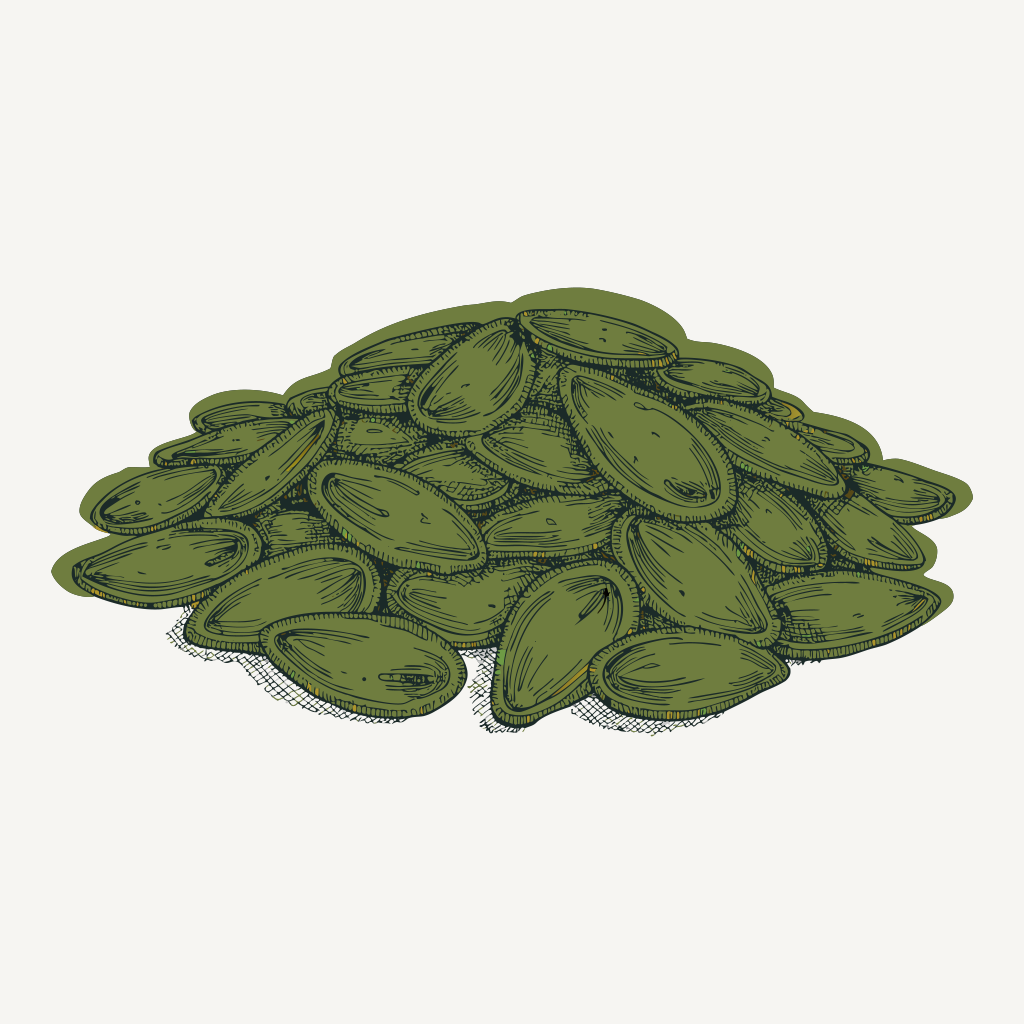
The crunchy green topping that also happens to be dense in iron, zinc, and magnesium, minerals a plant-forward diet has to work for. No shell, no soaking: toast and scatter, or eat by the handful.
Recipes that feature pepitas
Browse all 6 recipes →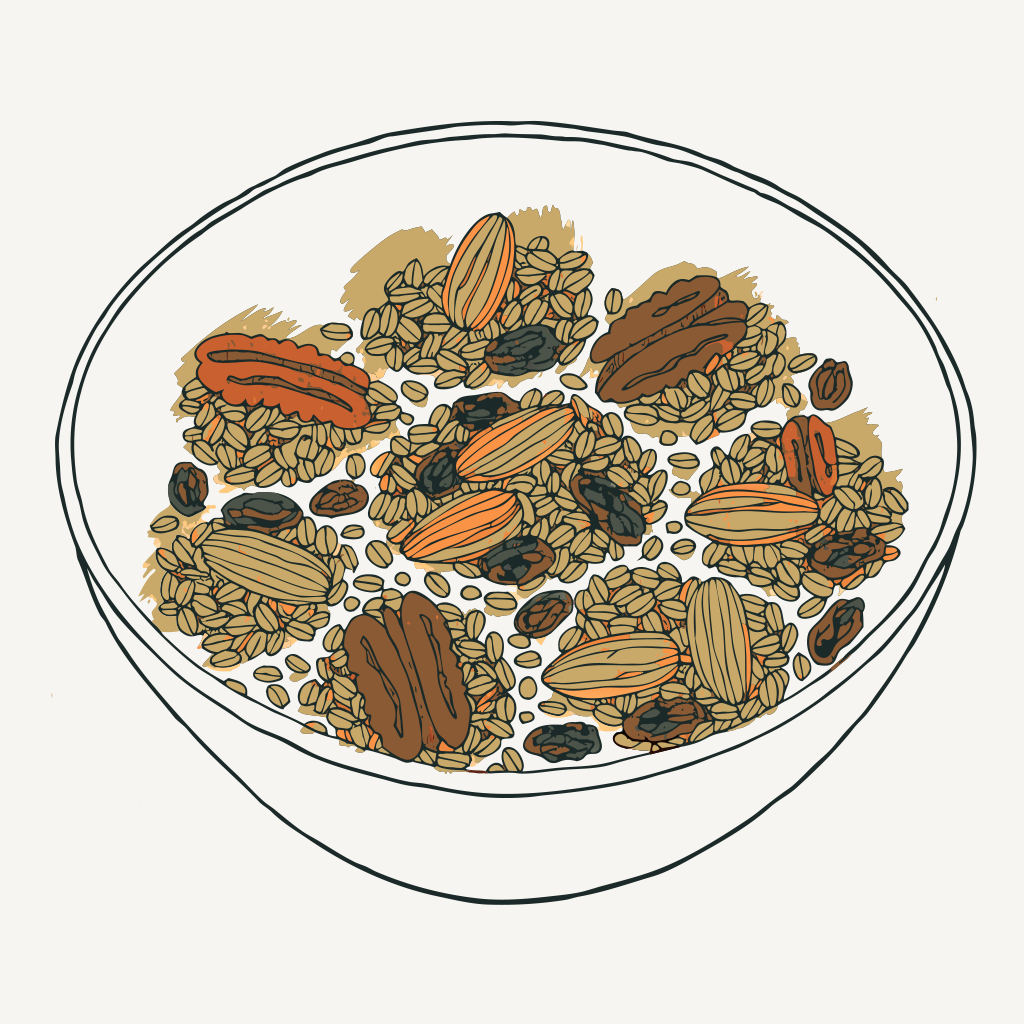
How to cook it
- Toast raw pepitas in a dry pan over medium heat; they'll pop and puff and turn golden in 3 to 5 minutes.
- Add a pinch of salt while they're hot, and a spice like cumin or chili if you want them seasoned.
- Scatter over soups, salads, bowls, and toast, or cool and eat as a snack.
In the kitchen
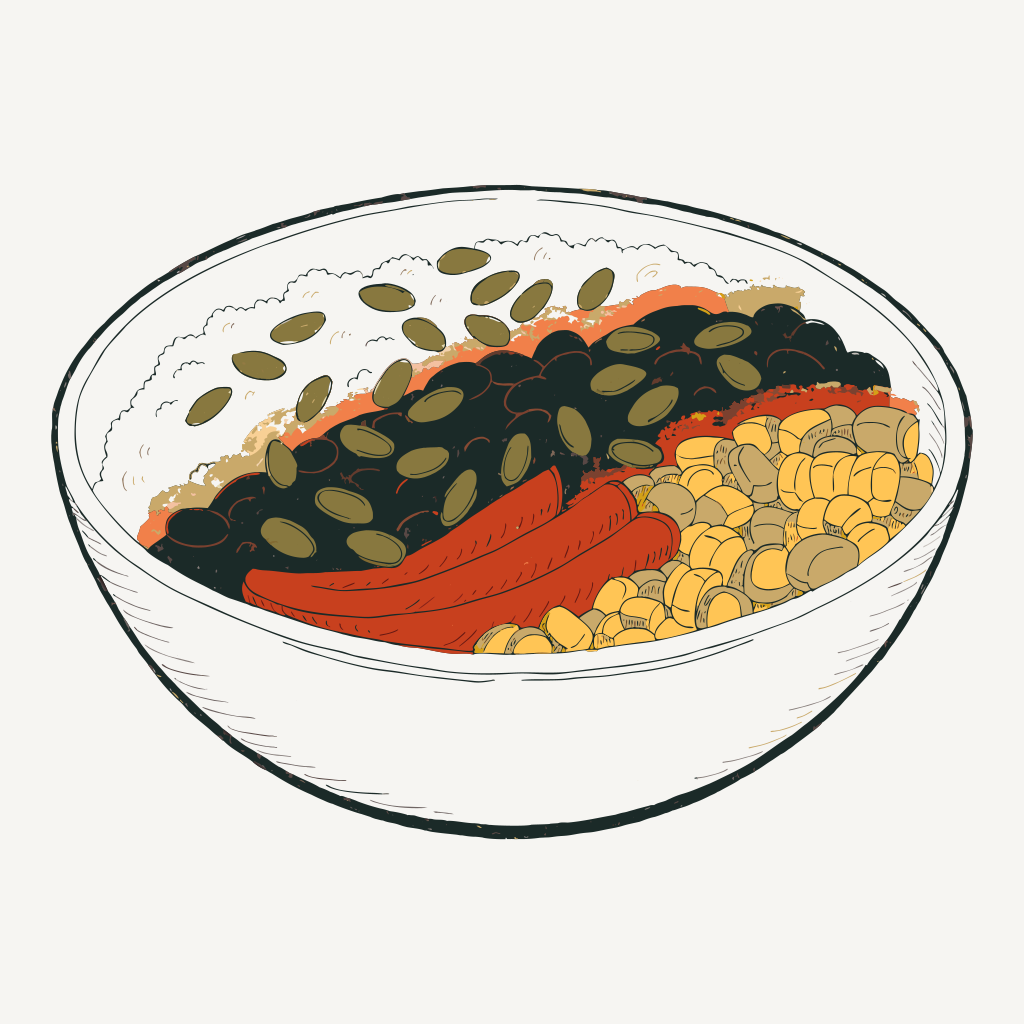
Pepitas are the fix for a dish that’s all softness. Toasted until they pop and puff, they bring crunch and a savory, nutty snap to a pureed soup, a grain bowl, a salad, or a slice of avocado toast, the textural counterpoint that makes a soft dish interesting. Seasoned with salt and a little cumin or chili while hot, they turn into a snack worth keeping a jar of.
Buy them raw and hulled and toast them yourself; it takes a few minutes and the difference is night and day. Just keep an eye on the pan, because they go from golden to scorched fast once they start popping.
Health
Pepitas are a standout for minerals: among the pantry’s best sources of iron, zinc, and magnesium, three nutrients a plant-forward diet has to be deliberate about. They pair that with real plant protein and unsaturated fat, so a small handful is genuinely nourishing rather than just crunchy.
Seeds count under every framework here: EAT-Lancet, the Mediterranean pattern, DASH, and the Daily Dozen all include a daily serving of nuts and seeds. The datasets are linked from the frameworks and research below.
What it contains
Vitamins & minerals
What the frameworks say
Research
The scorecard
- Cost
- $0.45 / serving Walmart · tracked Jul 2026 · priced from Walmart — Great Value pepitas (shelled pumpkin seeds), 10 oz.
- Shelf life
- 6 months in the pantry industry guidance (FoodKeeper-consistent) — fridge extends to ~12 mo.
MVP is the weighted composite of these four axes — methodology & weights. It describes items already in the pantry; it never decides membership.
What swaps in
- Sunflower seeds
- 1:1
Common questions
What's the difference between pepitas and pumpkin seeds?
Pepitas are the hulled green inner seed; whole pumpkin seeds still have the white outer shell. Pepitas are what you want for toasting and topping, tender and quick with nothing to spit out. Both come from pumpkins and squash; pepitas just skip the shell.
Do I need to toast pepitas?
Not strictly, but you should. Toasting takes them from soft and plain to crunchy and nutty, and it only takes a few minutes in a dry pan. Watch them, because they pop and puff as they toast and go from golden to burnt quickly.
How do I use pepitas beyond snacking?
As the crunch a soft dish is missing. Scatter toasted pepitas over a pureed soup, a grain bowl, a salad, or avocado toast, or blitz them into a pesto or a spiced topping. They bring texture and a savory, nutty note wherever a dish has gone one-note soft.
What can I make with pepitas?
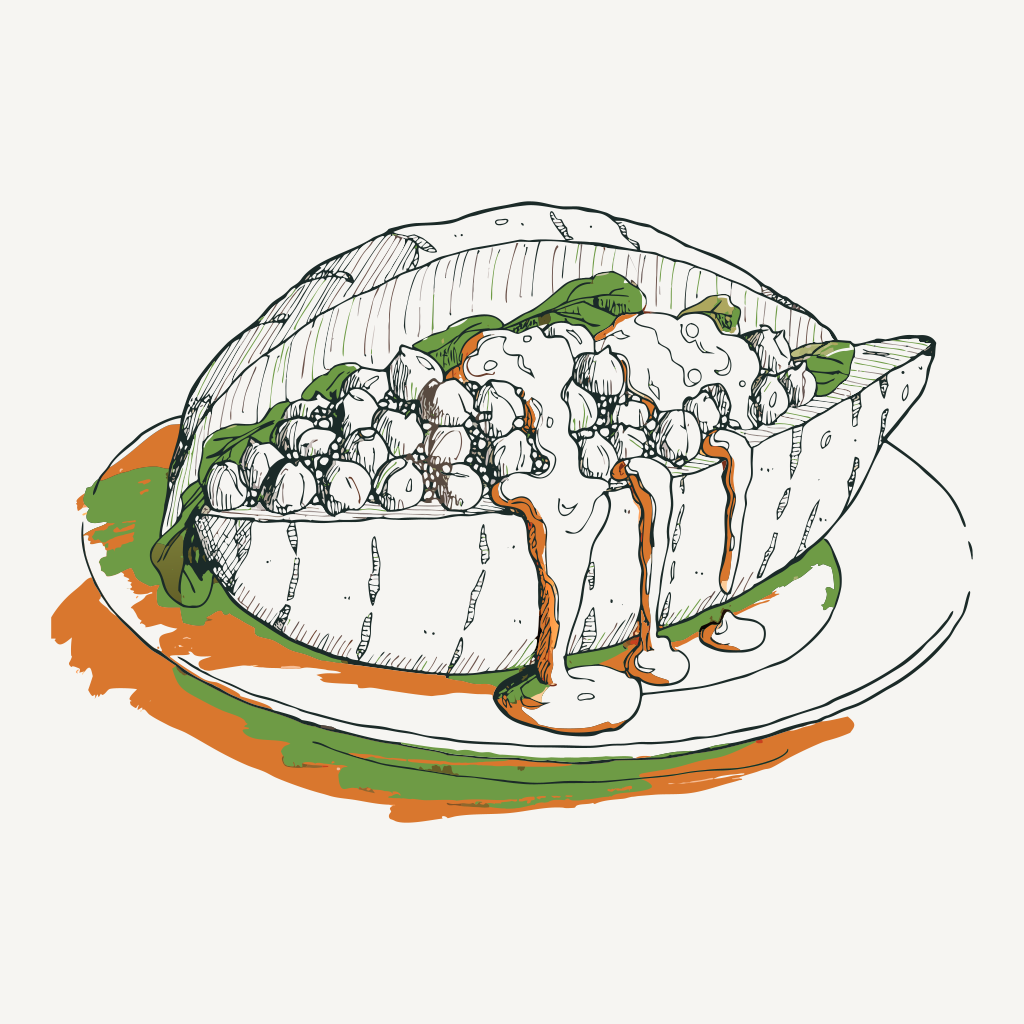
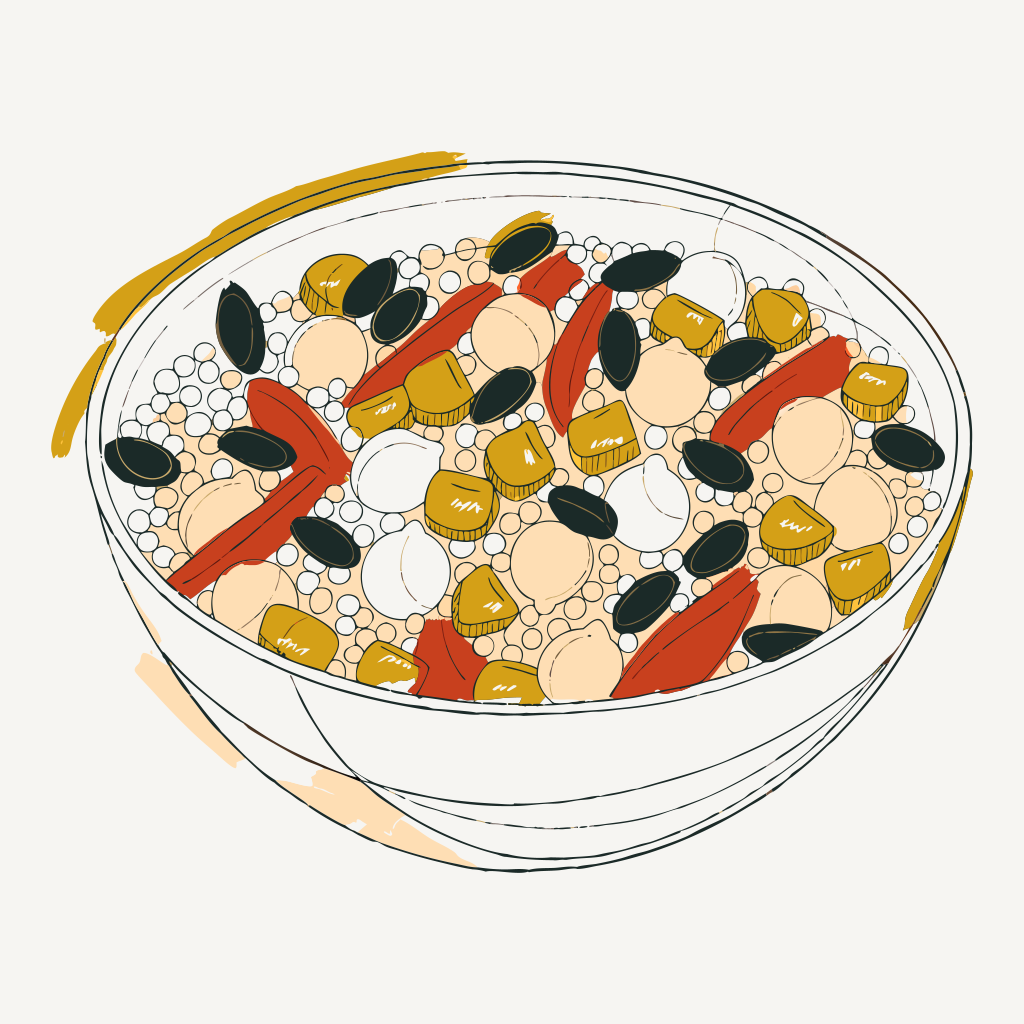
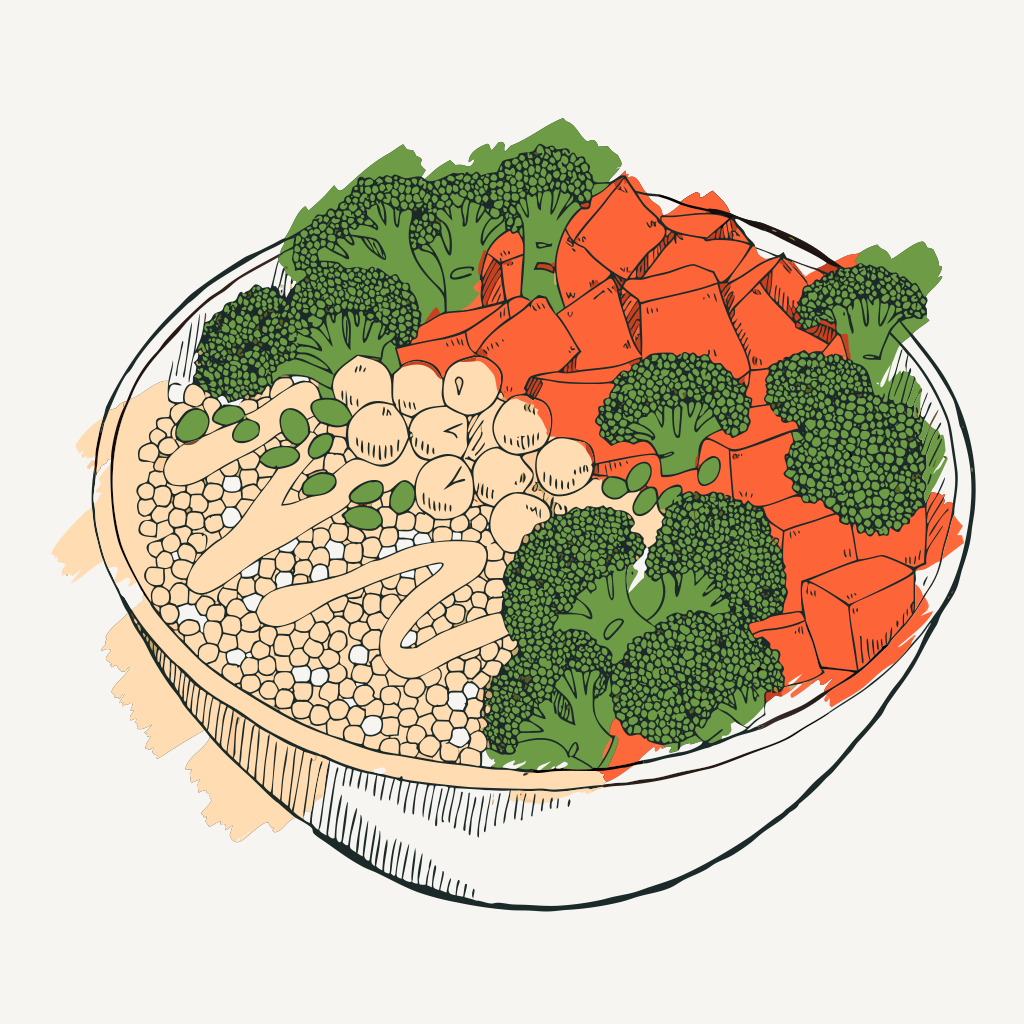
You'll find pepitas in 6 recipes here, and the ones that use the most are Maple Nut Granola, Stuffed Sweet Potatoes, and Lemon Quinoa Salad.
How long can you store pepitas?
About 6 months in the pantry — fridge extends to ~12 mo.
Is there gluten in pepitas?
No — pepitas are gluten-free.
How much does a serving of pepitas cost?
About $0.45 a serving at US retail (Jul 2026), from Walmart — Great Value pepitas (shelled pumpkin seeds), 10 oz.
MVP field manual · pepitas · reviewed Aug 2026