§02 · Pantry · Oils & Condiments · olive-oil
Extra-Virgin Olive Oil
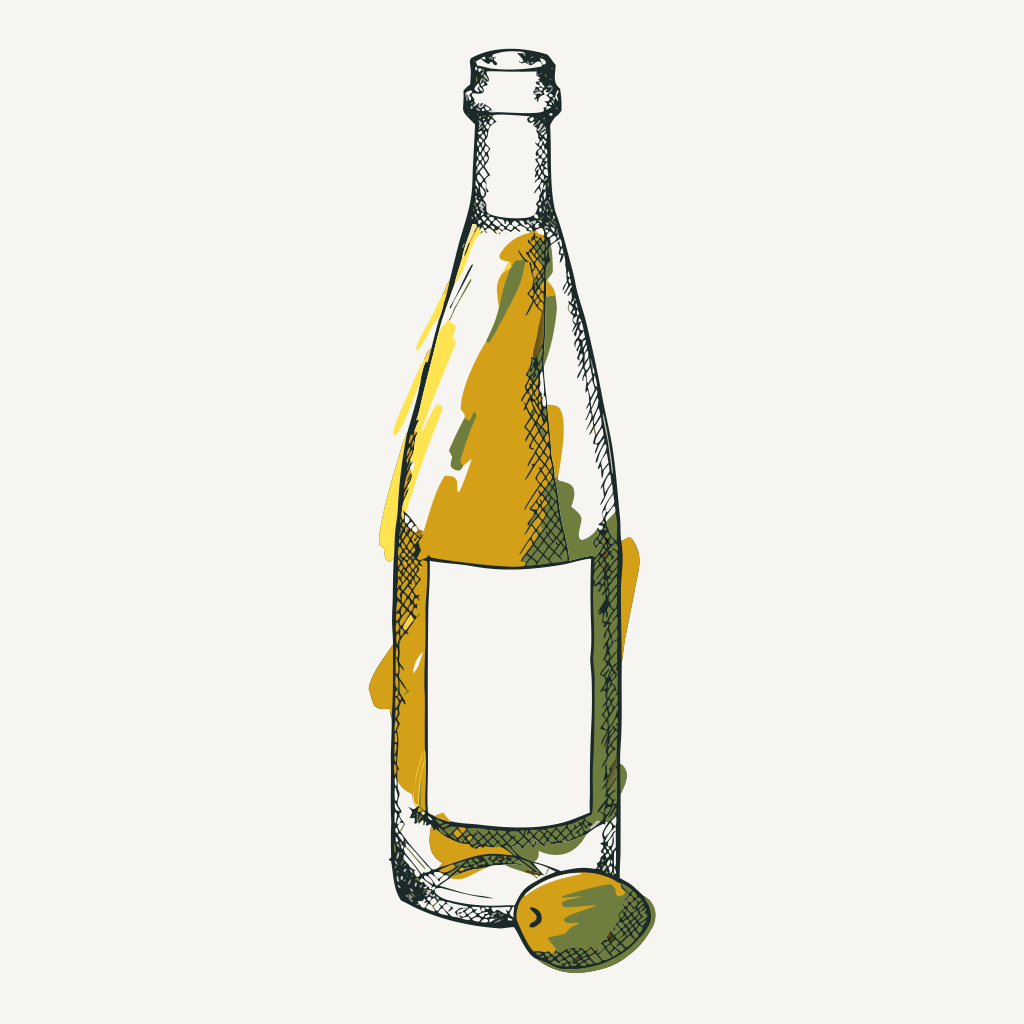
The everyday cooking fat and the finishing drizzle in one bottle: it sautés the onion that starts dinner and, poured raw over the finished plate, becomes a flavor in its own right. The fat the Mediterranean table is built on.
Recipes that feature extra-virgin olive oil
Browse all 20 recipes →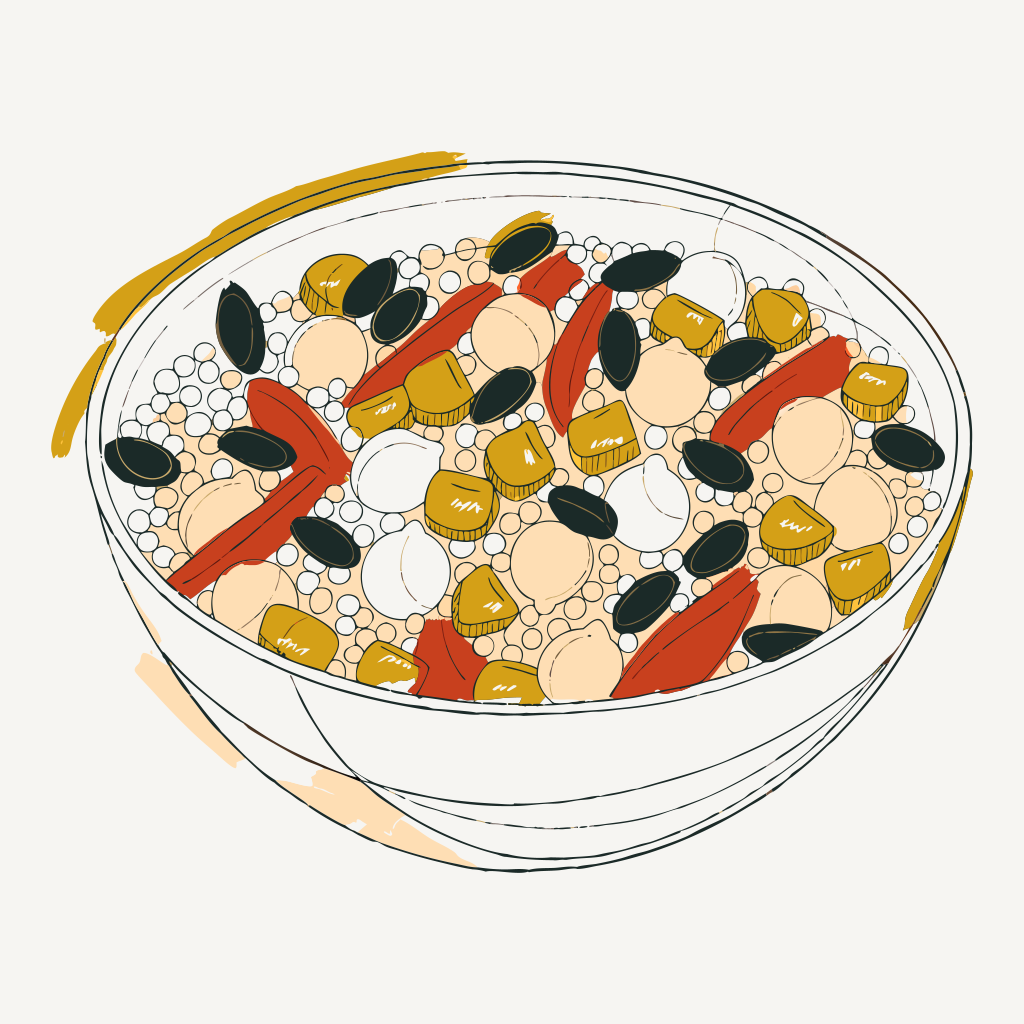
How to cook it
- For everyday cooking, use it to sauté, roast, and build a pan; medium heat suits it best.
- Keep the heat moderate rather than screaming; extra-virgin has a lower smoke point than refined oils.
- Finish with it raw: a drizzle over soup, beans, pasta, or vegetables just before serving, where its flavor shows.
- Store it in a cool, dark spot; light and heat turn it stale.
In the kitchen
Olive oil does two jobs, and both matter. As a cooking fat it softens the onion, coats the roasting tray, and carries the flavor of garlic and spice through a dish, all at the moderate heat it likes. As a finish it becomes a seasoning: poured raw over a bowl of soup, a plate of white beans, a dish of pasta, or roasted vegetables, a good extra-virgin adds a peppery, grassy note that cooking would have muted.
Keep the heat sensible and the bottle in the dark. For a hard sear that needs real high heat, reach for a neutral oil; for nearly everything else, this is the one.
Health
Olive oil is mostly monounsaturated fat, the kind associated with heart health, and extra-virgin carries polyphenols from the olives besides. It’s the defining fat of the Mediterranean pattern for good reason. It’s still pure fat and calorie-dense, so it’s a fat to use well rather than pour freely; a measured everyday oil, not a free one.
Three of the frameworks here place it directly: the Mediterranean pattern makes it the primary fat, and EAT-Lancet and DASH both favor unsaturated plant oils over saturated ones. The datasets behind those calls are linked from the frameworks and research below.
What it contains
Vitamins & minerals
What the frameworks say
- EAT-Lancet Unsaturated oils target 40 g/day
- Mediterranean Base of the pyramid vegetables, fruits, whole grains, olive oil, beans, nuts, legumes — most meals
- DASH Fats & oils 2–3 servings/day
- Daily Dozen Not counted
Research
The scorecard
- Cost
- $0.17 / serving Walmart · tracked Jul 2026 · priced from Walmart — Great Value extra virgin olive oil, 25.5 fl oz.
- Shelf life
- 18 months in the pantry industry guidance (FoodKeeper-consistent) — unopened from bottling; after opening use within ~3 mo.
MVP is the weighted composite of these four axes — methodology & weights. It describes items already in the pantry; it never decides membership.
What swaps in
- Butter
- 1:1 for cooking; browns at a lower temperature, and it sets solid once cold
- Refined olive oil
- higher smoke point, less flavor
- Avocado oil
- neutral, very high smoke point
Common questions
Can I cook with extra-virgin olive oil, or only finish with it?
You can cook with it, and most Mediterranean home cooking does. Its smoke point is lower than a refined oil's, so keep the heat moderate for sautéing and roasting rather than blasting it. For a hard, high-heat sear, a neutral oil like canola is the better tool; for everything gentler, olive oil is both cook and finish.
Why drizzle raw olive oil at the end?
Because heat mutes its flavor. A good extra-virgin has a peppery, grassy character that's a seasoning in itself, and it comes through only when the oil goes on raw, over a finished soup, a plate of beans, a bowl of pasta. Cooking uses one bottle; finishing shows you why it's worth having.
Does the dark bottle matter?
It does. Light and heat are what turn olive oil stale and flat, so a dark glass bottle stored in a cupboard keeps it fresher than a clear one on the counter. Buy a size you'll use within a few months rather than a giant jug that goes off before you reach the bottom.
What can I make with extra-virgin olive oil?
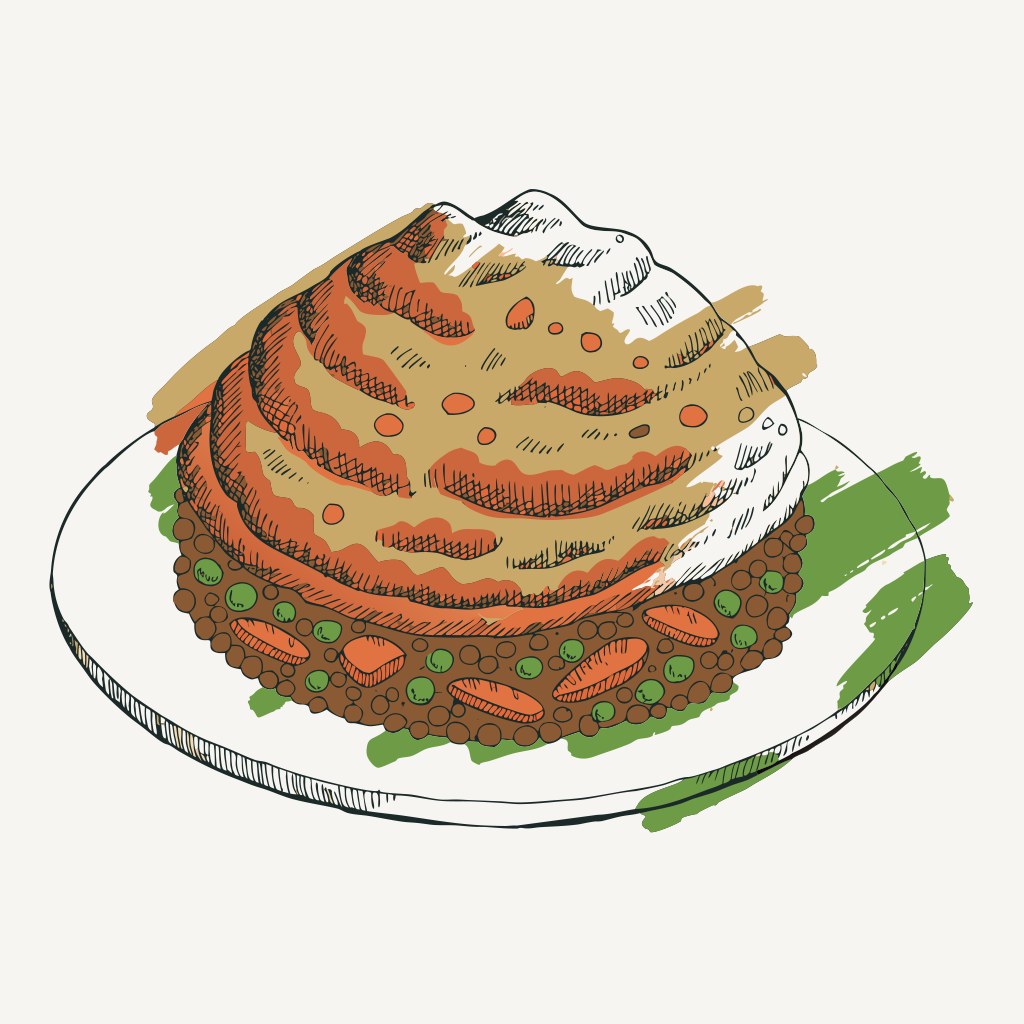
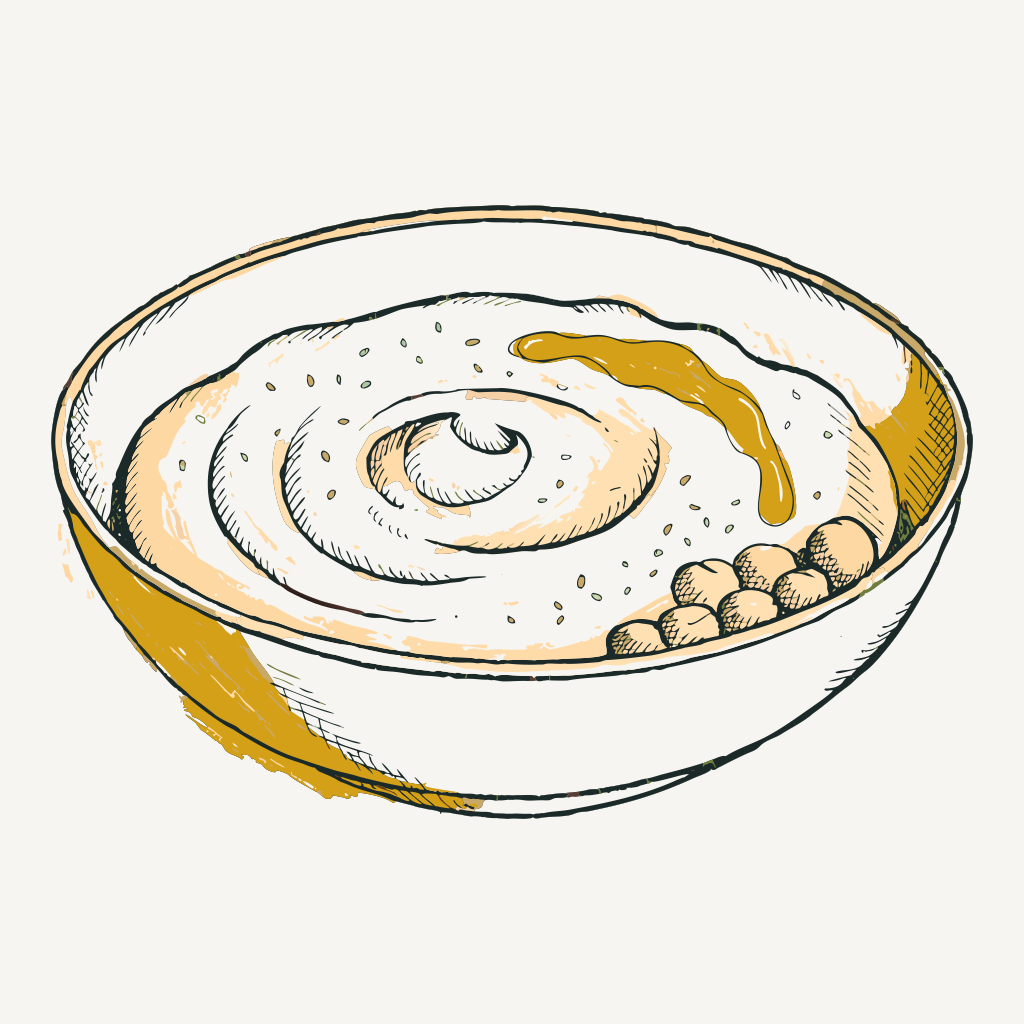
You'll find extra-virgin olive oil in 20 recipes here, and the ones that use the most are Lemon Quinoa Salad, Lentil Shepherd's Pie, and Hummus.
How long can you store extra-virgin olive oil?
About 18 months in the pantry — unopened from bottling; after opening use within ~3 mo.
Is there gluten in extra-virgin olive oil?
No — extra-virgin olive oil are gluten-free.
How much does a serving of extra-virgin olive oil cost?
About $0.17 a serving at US retail (Jul 2026), from Walmart — Great Value extra virgin olive oil, 25.5 fl oz.
MVP field manual · olive-oil · reviewed Aug 2026