§02 · Pantry · Oils & Condiments · canola-oil
Canola Oil
The neutral, high-heat oil for the jobs olive oil isn't built for: a hard sear, a stir-fry, a batter, a fry. It takes real heat without smoking and stays out of the flavor's way, which is exactly the point.

Recipes that feature canola oil
Browse all 4 recipes →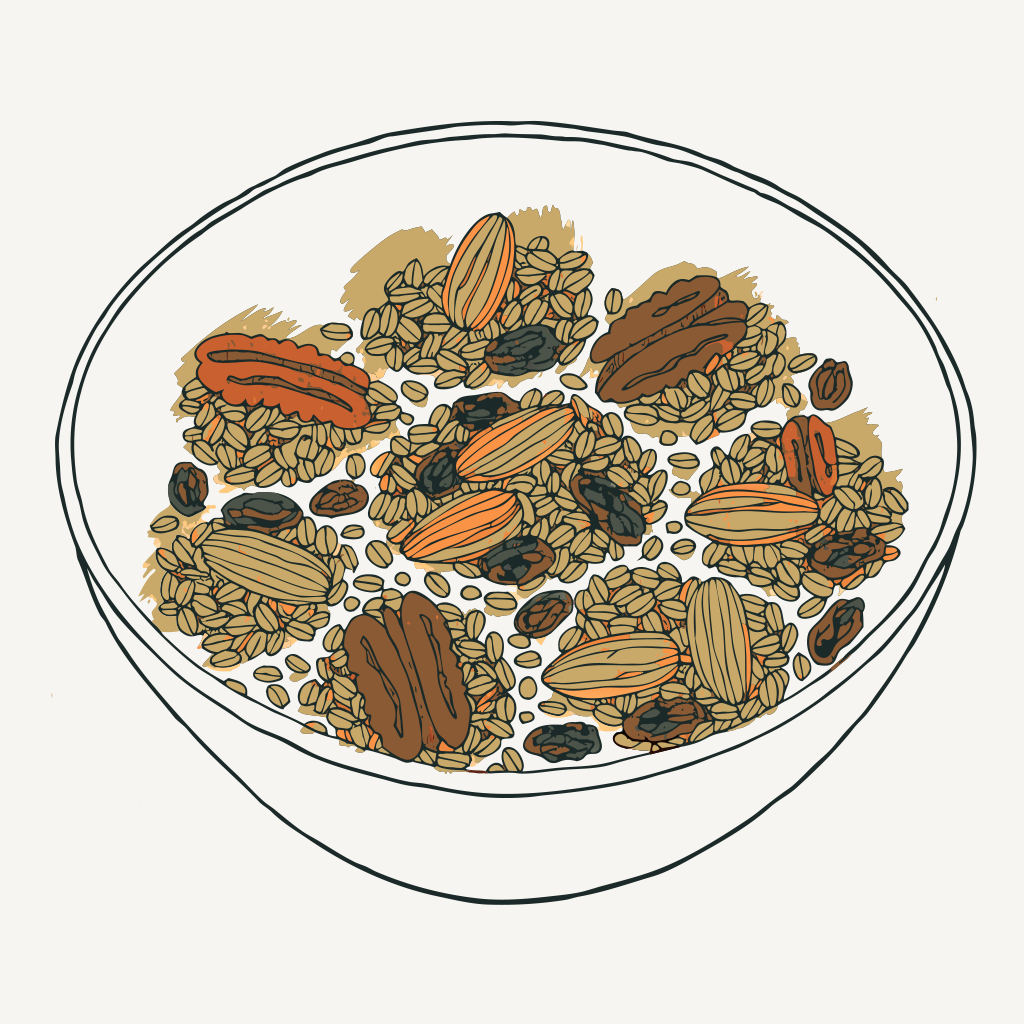
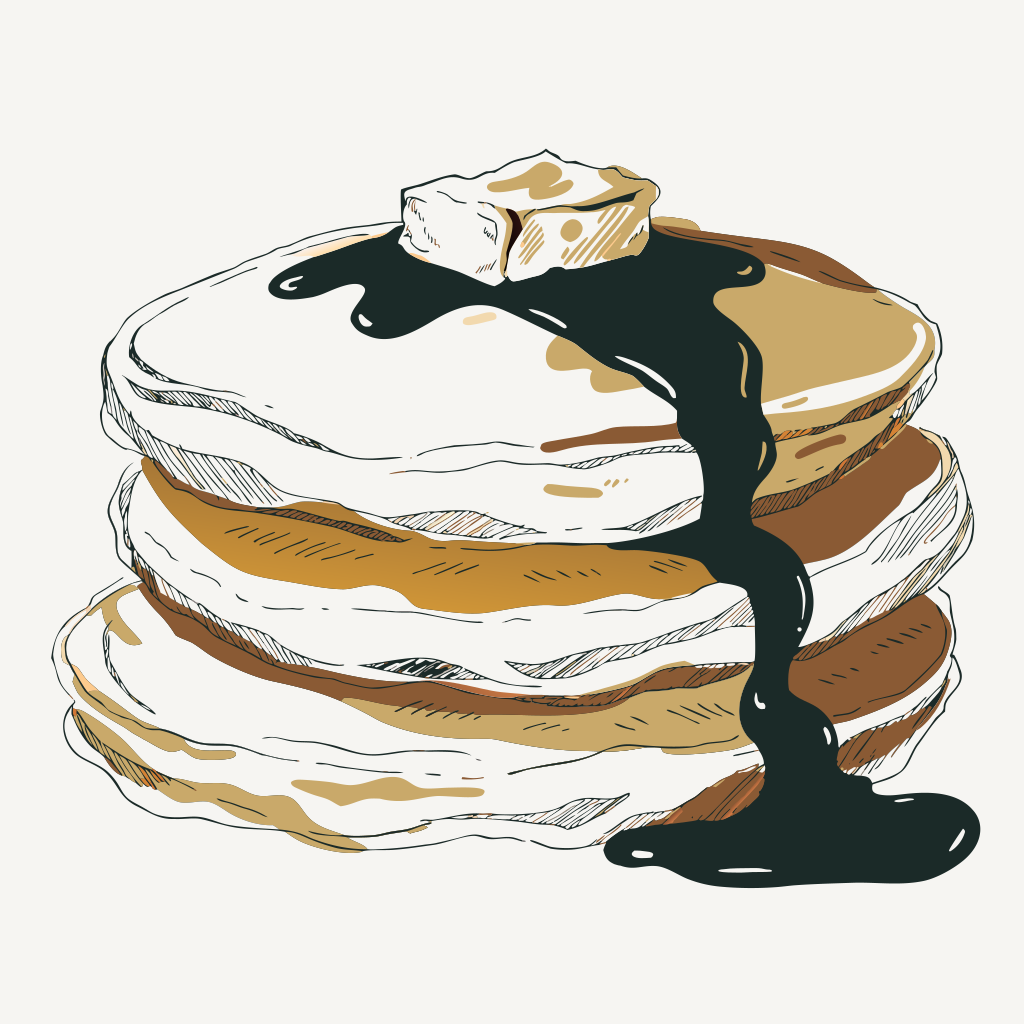

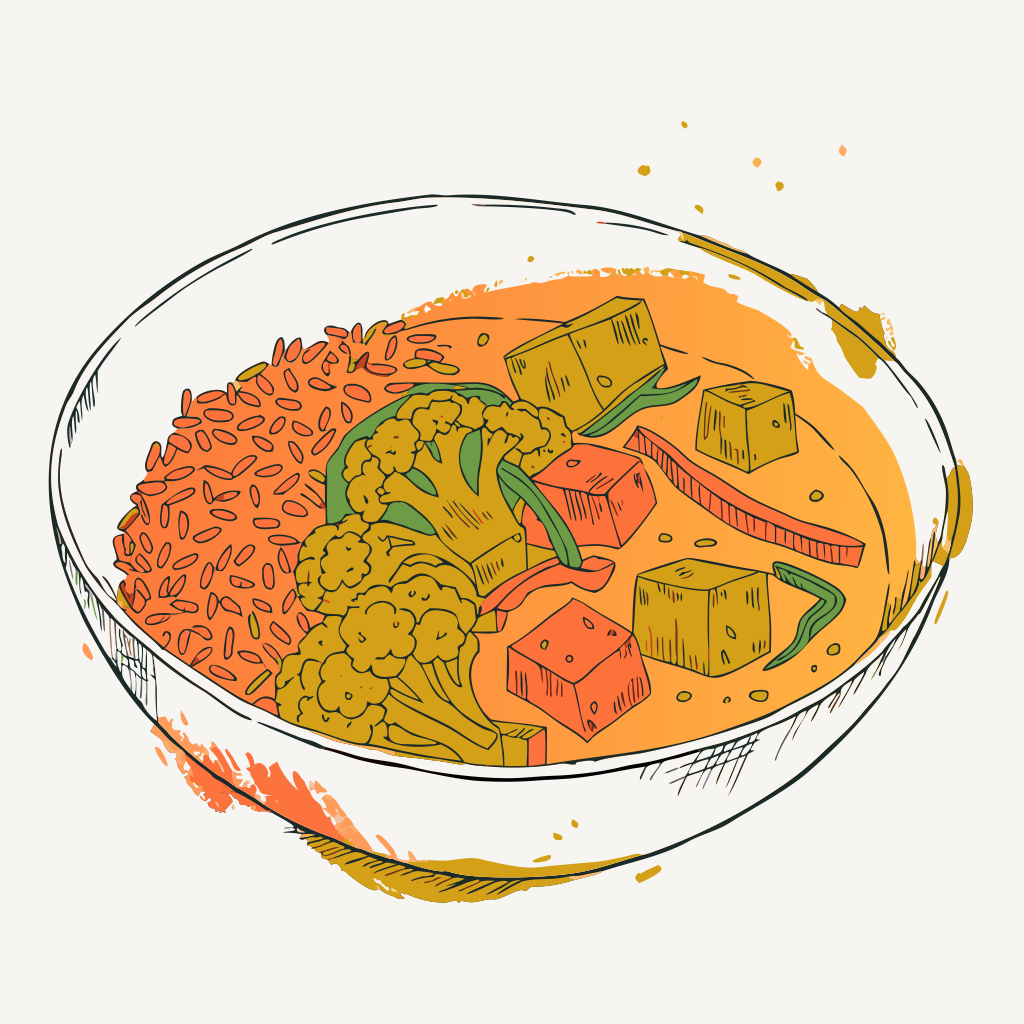
How to cook it
- Use it where you need high heat: searing tofu, stir-frying, roasting hot, shallow-frying.
- Reach for it in baking and batters, where a neutral oil won't flavor the crumb.
- Get the pan properly hot before the oil shimmers, then add the food, for a sear rather than a stew.
In the kitchen
Canola oil is the workhorse for heat. Where olive oil is a cook-and-finish oil for moderate temperatures, canola takes a screaming pan without smoking, so it’s what you want for a hard sear on tofu, a proper stir-fry, hot roasting, or a shallow fry. Its neutral flavor makes it the right choice in baking and batters too, where you don’t want the oil to leave a taste behind.
Get the pan hot first, until the oil just shimmers, then add the food. That’s the difference between a browned, crisp surface and something that sits and steams.
Health
Canola oil has one of the more favorable fat profiles among cooking oils: low in saturated fat, high in monounsaturated fat, and carrying a little ALA omega-3, which few oils do. That’s why it’s a sensible neutral oil to keep for the high-heat cooking olive oil isn’t suited to. It’s still pure fat and calorie-dense, so the amount is what counts.
Two of the frameworks here speak to it: EAT-Lancet and DASH both favor unsaturated plant oils over saturated fats, which is where canola sits. The datasets behind those calls are linked from the frameworks and research below.
What it contains
Vitamins & minerals
What the frameworks say
- EAT-Lancet Unsaturated oils target 40 g/day
- Mediterranean Not counted
- DASH Fats & oils 2–3 servings/day
- Daily Dozen Not counted
Research
The scorecard
- Cost
- $0.05 / serving Walmart · tracked Jul 2026 · priced from Walmart — Great Value canola oil, 48 fl oz.
- Shelf life
- 24 months in the pantry industry guidance (FoodKeeper-consistent) — after opening: ~6-12 mo.
MVP is the weighted composite of these four axes — methodology & weights. It describes items already in the pantry; it never decides membership.
What swaps in
- Sunflower oil
- 1:1
- Grapeseed oil
- 1:1
- Avocado oil
- 1:1, higher smoke point
- Refined coconut oil
- 1:1, solid at room temperature
Common questions
When should I use canola oil instead of olive oil?
When you need high heat or no flavor. Canola has a high smoke point and a neutral taste, so it's the better tool for a hard sear, a stir-fry, hot roasting, shallow-frying, and baking, jobs where olive oil would either scorch or taste out of place. Olive oil is for gentler cooking and finishing; canola is for heat and neutrality.
Is canola oil a healthy cooking oil?
By its fat profile, yes: it's low in saturated fat, high in the monounsaturated kind, and one of the few oils carrying a little ALA omega-3. That combination is why dietary patterns that name specific oils tend to place it among the better choices for high-heat cooking. As with any oil, the amount is what matters most.
What's a good high-heat neutral oil if I don't have canola?
Sunflower, grapeseed, or avocado oil all do the same job: neutral flavor, high smoke point, fine for searing and frying. Any of them swaps in for canola one-for-one. Keep whichever is affordable and available; the point is having one neutral, high-heat oil alongside the olive oil.
What can I make with canola oil?
You'll find canola oil in 4 recipes here, and the ones that use the most are Maple Nut Granola, Weekend Pancakes, and Tofu Stir-Fry.
How long can you store canola oil?
About 24 months in the pantry — after opening: ~6-12 mo.
Is there gluten in canola oil?
No — canola oil are gluten-free.
How much does a serving of canola oil cost?
About $0.05 a serving at US retail (Jul 2026), from Walmart — Great Value canola oil, 48 fl oz.
MVP field manual · canola-oil · reviewed Aug 2026